What Are We Talking About?
Chef-led stories about cooking, flavor, food culture and the way we actually eat.
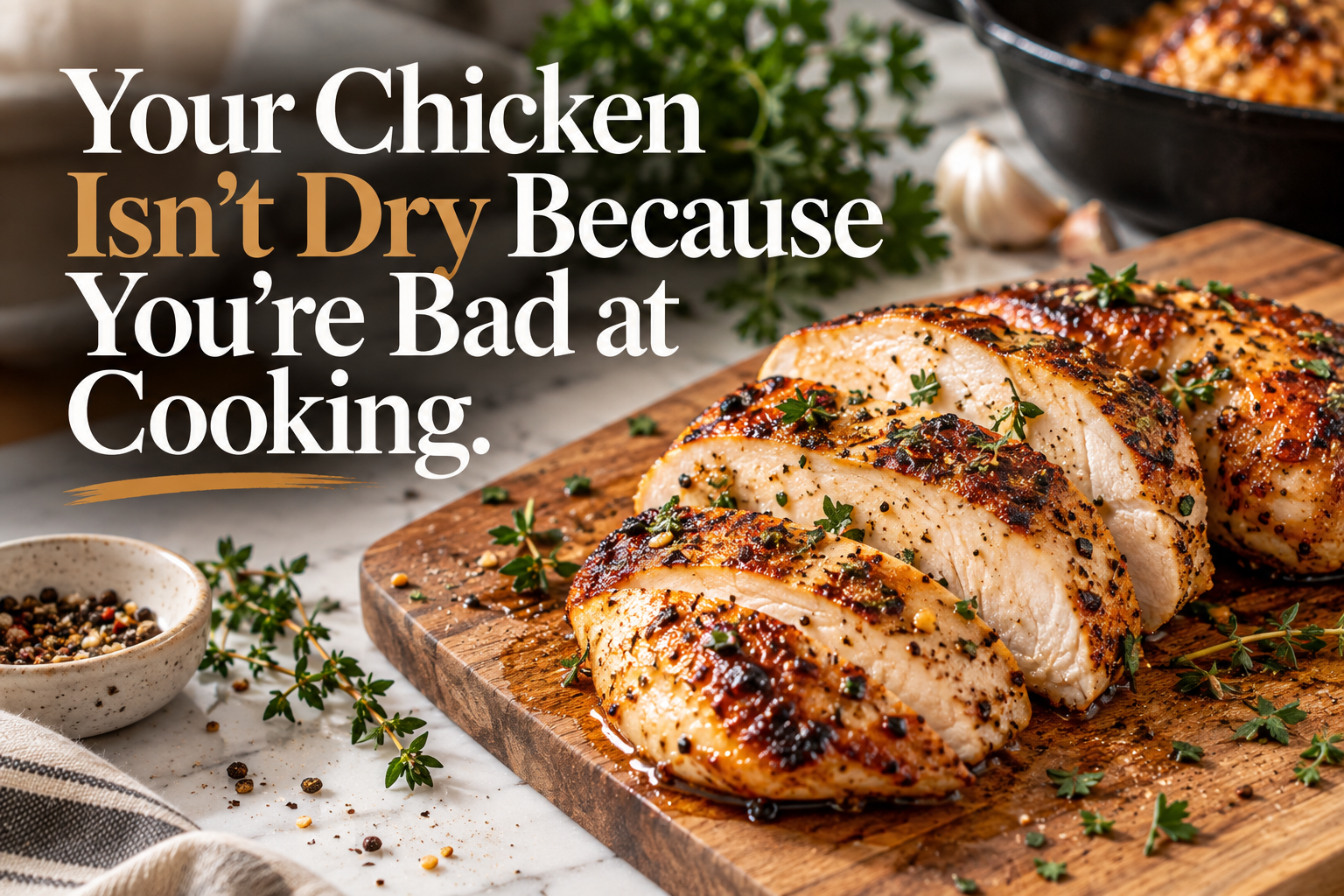
Your Chicken Isn’t Dry Because You’re Bad at Cooking.
Dry chicken usually isn’t a sign that you can’t cook. Learn how the cut, thickness, heat, internal temperature, carryover cooking, and resting determine whether chicken stays juicy or turns dry.
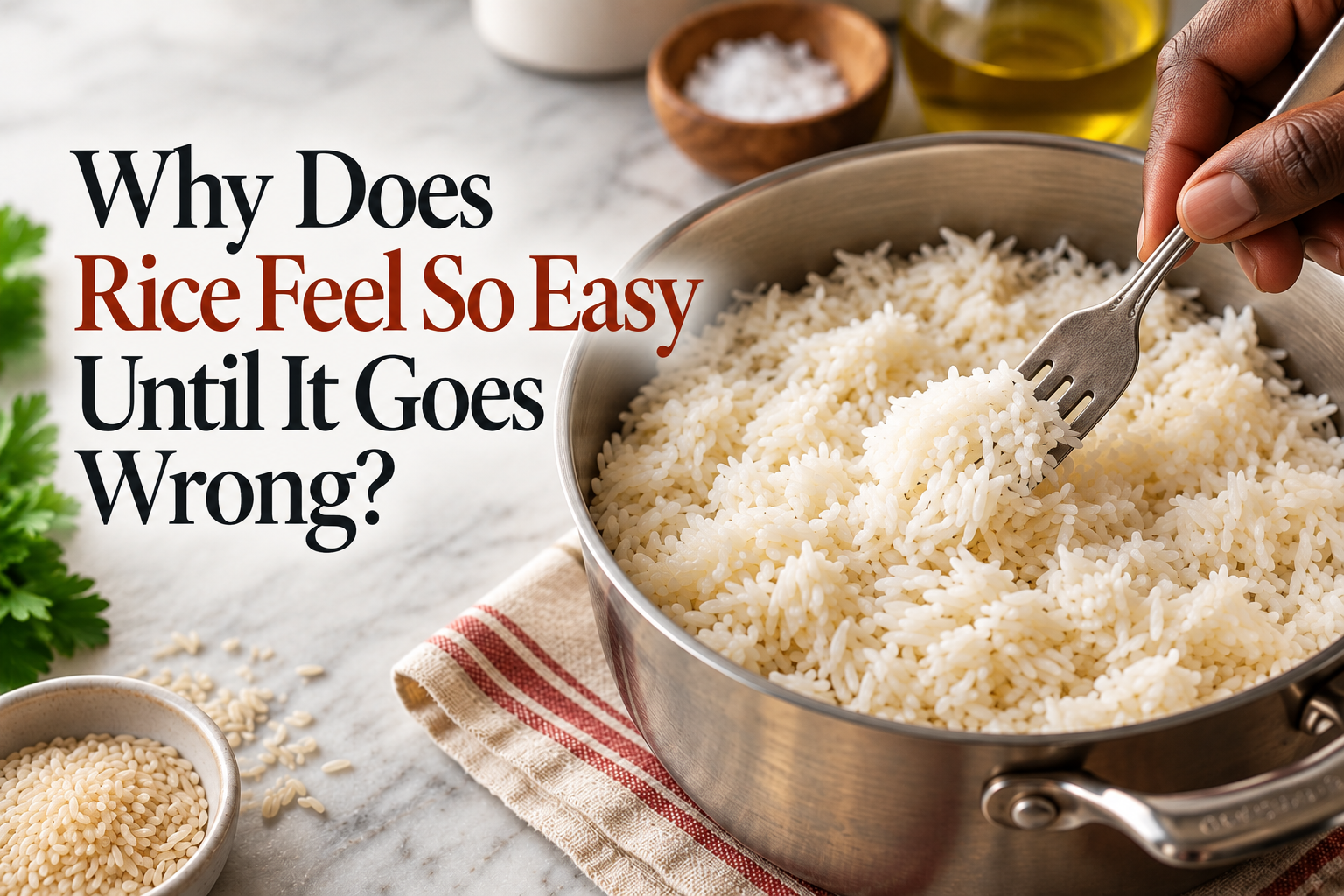
Why Does Rice Feel So Easy Until It Goes Wrong?
Rice seems simple until it turns out crunchy, mushy, sticky, or burned. Chef David breaks down how water, heat, starch, timing, and resting work together—and why understanding the technique matters more than memorizing one perfect ratio.
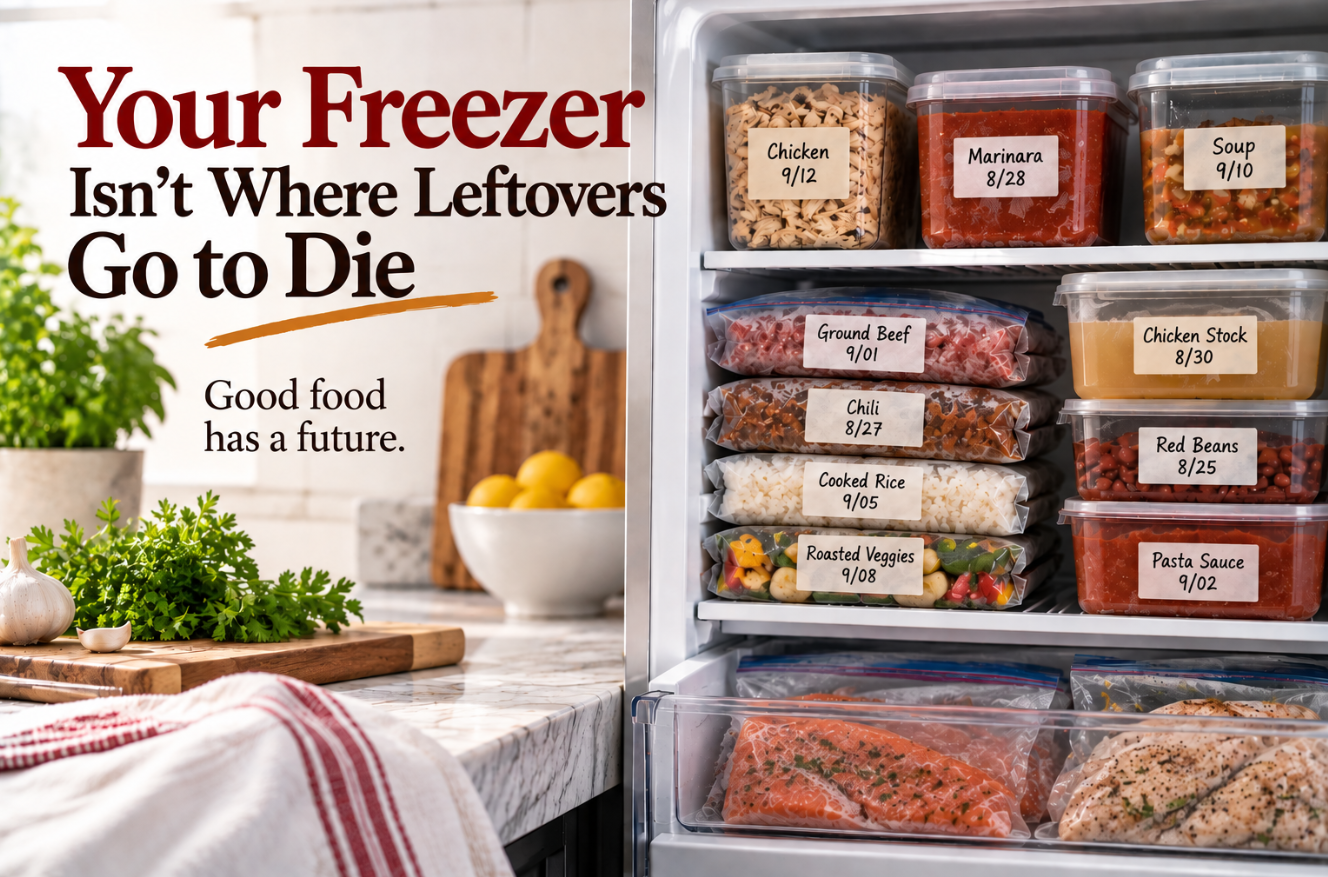
Your Freezer Isn’t Where Leftovers Go to Die
Your freezer should make cooking easier—not become a graveyard for forgotten leftovers. Here’s how to portion, label, rotate and actually use what you freeze before it becomes another mystery container.

What Do You Cook When You Absolutely Don’t Feel Like Cooking?
Even chefs have nights when they look at the kitchen and think, “Absolutely not.” Here’s how to make dinner with less effort without lowering your standards.
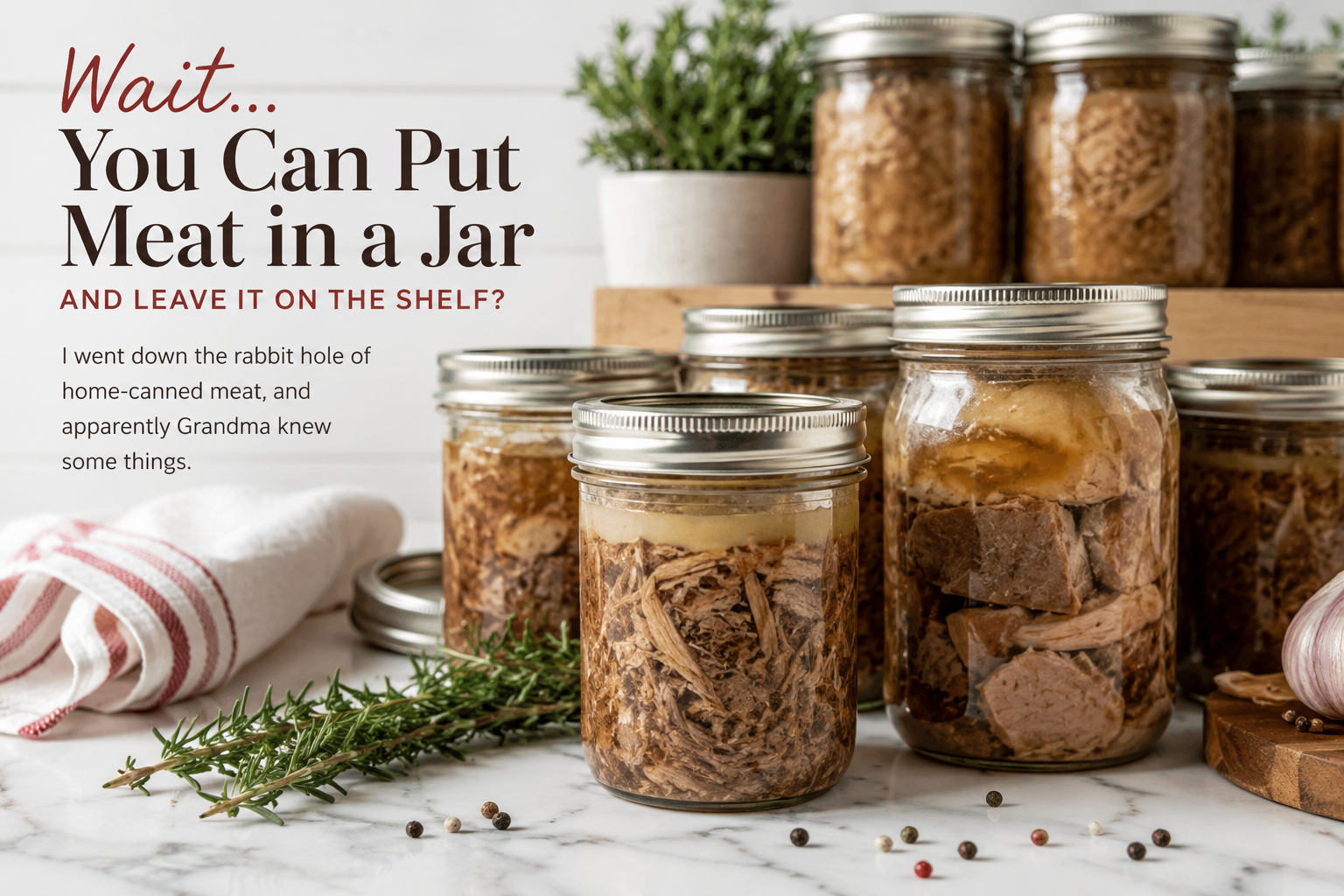
Wait… You Can Put Meat in a Jar and Leave It on the Shelf?
Yes, people really do preserve meat in jars without refrigeration. Chef David investigates pressure canning, botulism, raw-packed meat, Instant Pots, and why this is one kitchen technique you absolutely should not freestyle.
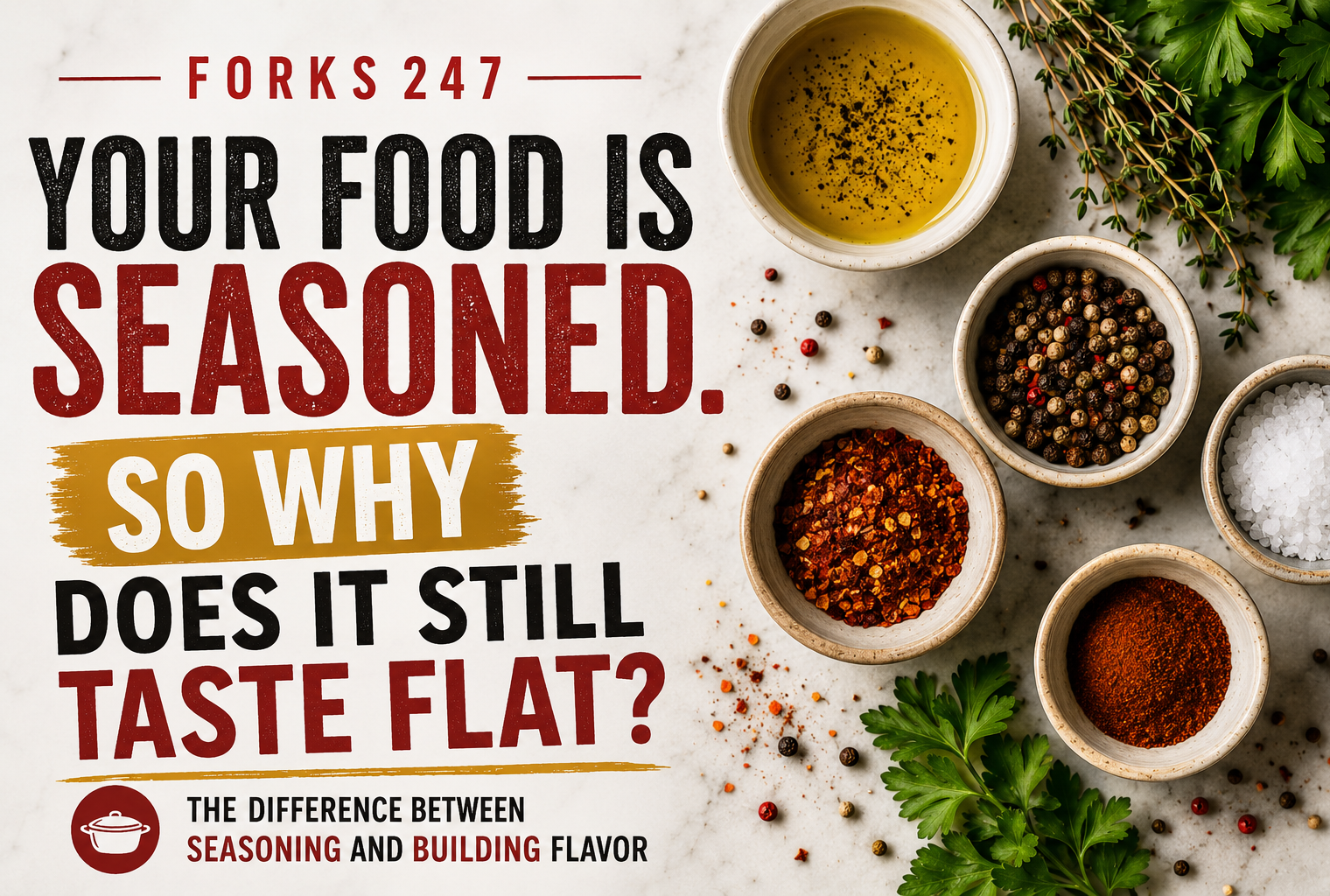
Your Food Is Seasoned. So Why Does It Still Taste Flat?
You added the salt, garlic, herbs and spices—so why does the food still taste flat? The answer may not be more seasoning. It may be how you're building flavor.
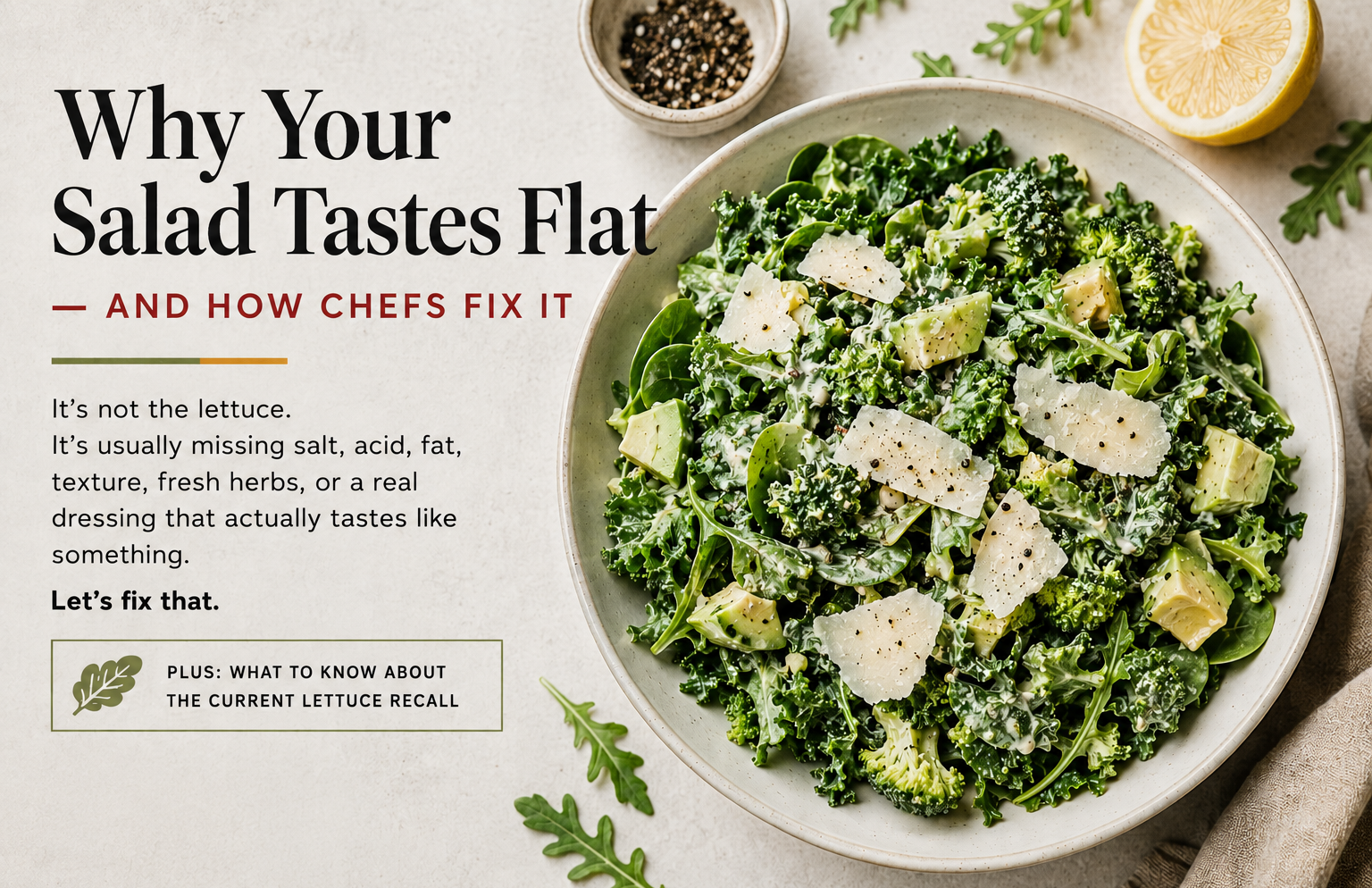
Why Your Salad Tastes Flat — And How Chefs Fix It
A good salad should be more than cold vegetables and dressing. Chef David breaks down how seasoning, acid, fat, texture, herbs, and balance can turn a basic bowl of greens into something you actually want to eat—plus a quick look at the recent lettuce recall.
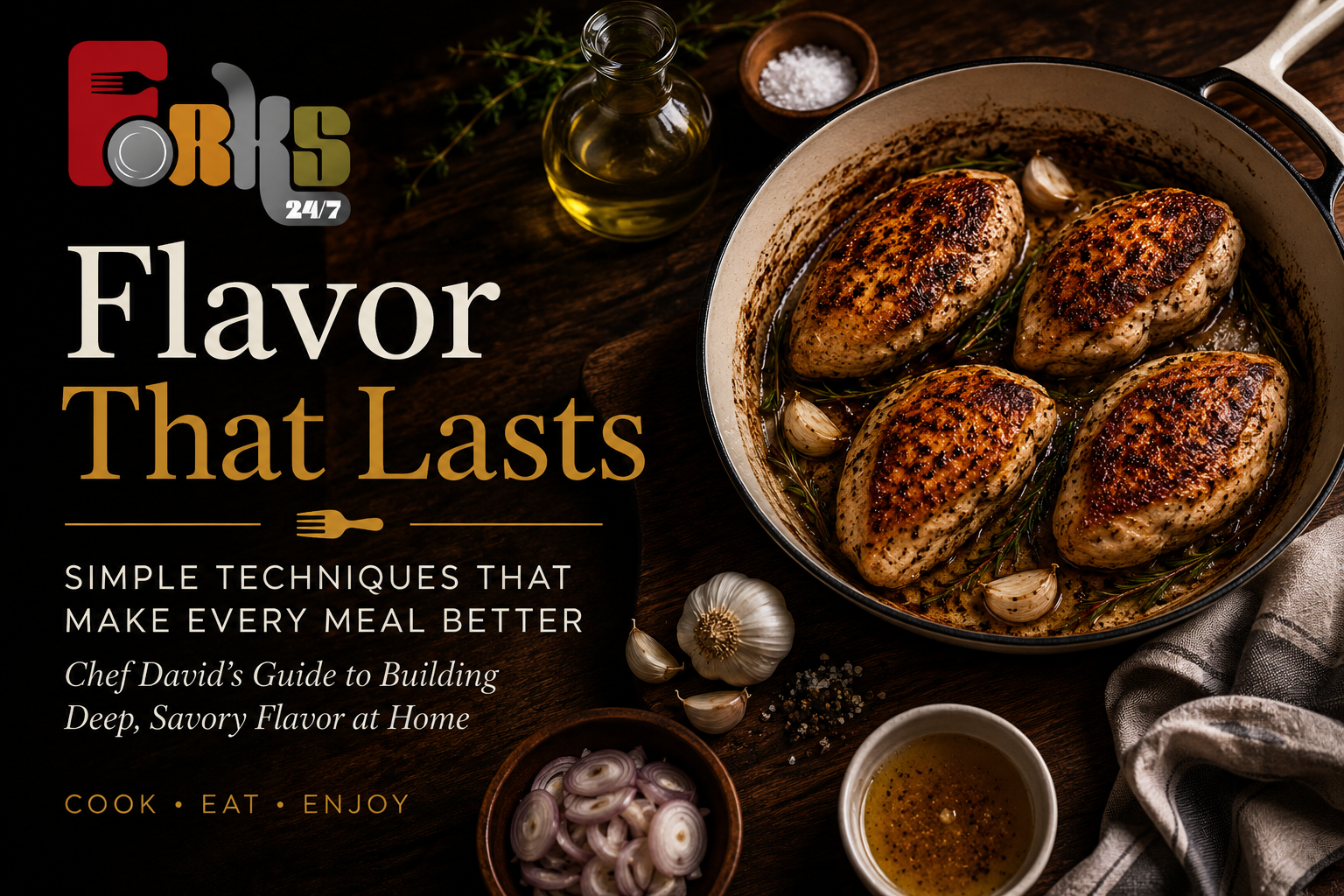
The Quiet Flavor Trick That Makes Food Taste Complete
Great flavor does not always come from adding more ingredients. Sometimes it comes from browning, balancing, toasting, and knowing what a dish is missing.