The Quiet Flavor Trick That Makes Food Taste Complete

There are some dishes that do not shout for attention.
They do not have a heavy sauce. They do not need a pile of cheese. They do not depend on one “secret ingredient” to make them work.
They just taste complete.
That is the kind of cooking I want more home cooks to understand, because a lot of great flavor is not about adding more. It is about knowing what is missing.
Sometimes the missing piece is salt. Sometimes it is acid. Sometimes it is fat. But a lot of the time, what the dish really needs is depth.
Depth is what makes food feel rounded. It is what keeps a chicken dish from tasting flat, a vegetable dish from feeling plain, or a weeknight dinner from tasting like you just put ingredients in a pan and hoped for the best.
And here is the part most people miss: you do not always have to use the obvious ingredients to get there.
Flavor Does Not Have to Be Loud to Be Powerful
When people think about deep, savory flavor, they often go straight to bold ingredients. Mushrooms. Soy sauce. Tomato paste. Parmesan. Bacon. Anchovies. Worcestershire.
Those ingredients can absolutely work.
But they are not the only way.
Sometimes the best flavor builders are quieter. They sit in the background. They support the dish instead of taking over.
That is where cooking starts to feel more intentional.
A dish can build depth from browned onions, roasted garlic, toasted spices, reduced pan juices, a splash of vinegar, a little mustard, caramelized edges, or even the right cooking method. None of those ingredients has to announce itself. They just help the final dish taste like it had more time, more care, and more thought behind it.
That is chef thinking.
Deep flavor does not always have to announce itself. Sometimes the best cooking move is the quiet one that makes everything else taste more complete.
Browning Is One of the Most Underrated Flavor Tools
If I could get home cooks to respect one step more, it would be browning.
Not burning.
Not rushing.
Browning.
When food hits heat properly, it starts to develop flavor on the surface. Chicken gets golden. Potatoes get crisp edges. Onions turn sweet and savory. Carrots become richer. Even cabbage can go from basic to beautiful when it gets a little color.
That color is not just for looks.
It is flavor.
One of the biggest mistakes I see home cooks make is moving food too soon. They stir before the pan has a chance to work. They flip before the crust forms. They crowd the pan and end up steaming everything instead of browning it.
Then they wonder why the dish tastes flat.
Give the food contact with the pan. Give it space. Give it time.
Flavor needs a little patience.
Let one ingredient sit in the pan long enough to develop real color before moving it. Start with onions, chicken, potatoes, carrots, or cabbage.
The Bottom of the Pan Is Not a Mess. It Is an Opportunity.
You know those browned bits left in the pan after searing chicken, pork, sausage, or vegetables?
Do not waste them.
That is flavor sitting right there.
Add a splash of broth, wine, vinegar, citrus juice, or even water, and scrape the bottom of the pan. That simple step pulls those browned bits back into the dish and turns them into the beginning of a sauce.
You do not always need cream.
You do not always need butter.
You do not always need a complicated recipe.
Sometimes you just need to capture what is already there.
That is one of the biggest differences between cooking ingredients and building a dish.
Want to Cook With More Confidence?
Inside Kitchen Studio, Chef David breaks down the why behind everyday cooking — seasoning, flavor-building, meal planning, and chef-level decisions made simple.
Acid Makes Savory Food Taste More Alive
A lot of people think acid is only for brightness.
Lemon juice.
Vinegar.
Pickled onions.
Citrus zest.
Yes, acid can make a dish feel lighter, but it also helps deepen flavor because it creates contrast. Without contrast, rich foods can feel heavy. Savory foods can feel dull. Sweet ingredients can feel one-dimensional.
A small splash of vinegar at the end of cooking can wake up greens.
A squeeze of lemon can make roasted chicken taste more complete.
A spoonful of mustard can sharpen a pan sauce.
A little pickle brine can bring balance to potato salad, slaw, or braised vegetables.
Acid does not always need to taste sour.
Used correctly, it makes the whole dish stand up straighter.
Acid does not just brighten food. It creates contrast, and contrast helps savory dishes feel balanced, complete, and more alive.
Toasting Is a Small Step With Big Payoff
Toasting is another quiet technique that builds depth fast.
Toast your spices before adding liquid.
Toast your rice or orzo before simmering.
Toast your nuts before finishing a salad.
Toast breadcrumbs before sprinkling them over vegetables or pasta.
That little bit of heat wakes up oils, aroma, and texture.
It also gives food that finished, restaurant-style quality without needing a long ingredient list.
When home cooks skip these little steps, the food can still be good. But when they start using them with intention, the food begins to feel layered.
That is the difference.
Toasting ingredients before adding liquid helps release aroma and deepen flavor, which can make simple dishes taste more developed.
Layering Flavor Does Not Mean Making the Recipe Harder
Let me be clear: building flavor does not mean making dinner complicated.
It means making better decisions during the cooking process.
Brown the chicken before simmering it.
Season the onions while they cook, not just at the end.
Let the vegetables roast long enough to get color.
Deglaze the pan before adding your sauce.
Taste before serving and ask: does this need salt, acid, richness, or freshness?
That is not complicated.
That is attention.
And attention is what turns everyday cooking into something memorable.
A Simple Way to Think About It
The next time a dish tastes like something is missing, do not immediately reach for more salt.
Ask yourself:
Is there enough browning?
Is there enough contrast?
Is there enough fat to carry the flavor?
Is there enough acid to wake it up?
Is there anything toasted, roasted, reduced, or caramelized?
Those are the quiet moves that make food taste complete.
And once you start noticing them, you will use them everywhere.
In soups.
In roasted vegetables.
In chicken dishes.
In pasta.
In rice.
In sauces.
In Sunday dinner.
In Tuesday night leftovers.
That is the beauty of learning how flavor works. You stop depending only on recipes and start cooking with more confidence.
Bring This Into Your Kitchen
Pick one meal this week and focus on depth.
Do not change the whole recipe. Just choose one technique.
Brown something a little better.
Toast one ingredient.
Add a splash of acid at the end.
Deglaze the pan instead of rinsing it.
Let onions cook until they actually have color.
That one small choice can change the way the whole dish eats.
And that is what good cooking is really about: learning the small moves that make a big difference, meal after meal.
What is one simple flavor-building technique you use that instantly makes your cooking better? Share it in the comments—I’d love to hear what works in your kitchen.
Keep Building Confidence in the Kitchen
Inside Kitchen Studio, I break down these kinds of cooking decisions step by step so you can understand not just what to do, but why it works.
If you want to cook with more confidence, build better flavor, and start thinking through food the way chefs do, visit Kitchen Studio at:

Download Kitchen
Studio
Take Chef David’s cooking guidance with you. Install Kitchen Studio on your phone or desktop and start building better meals from pantry to plate.
Install Kitchen StudioGet More Chef-Led Recipes & Kitchen Confidence
Join Forks247 for seasonal recipes, practical cooking tips, chef notes, and real-life kitchen inspiration from Chef David.





Follow Us

A chef’s rule worth wearing.
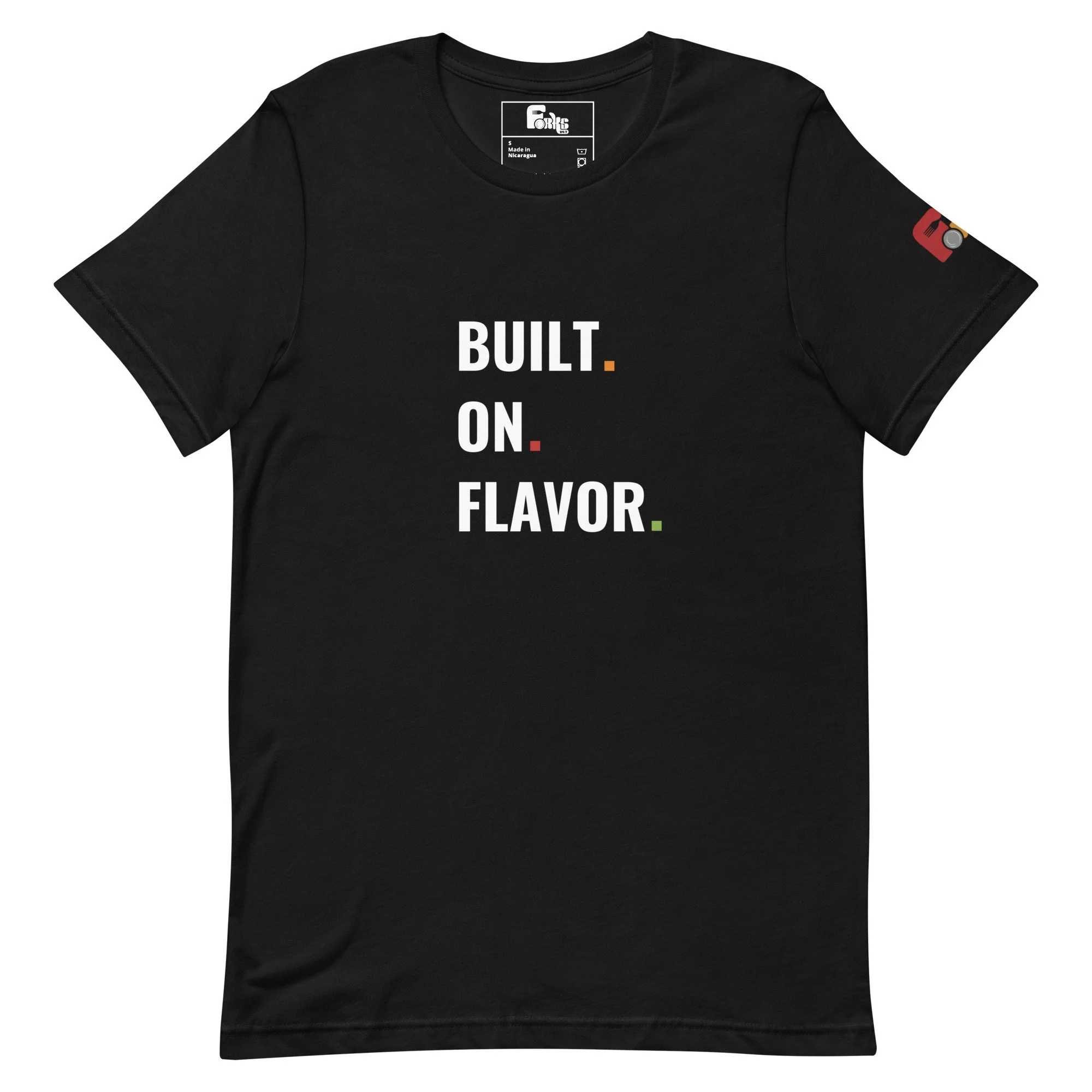
The Taste It Before You Trust It T-Shirt takes one of the kitchen’s simplest lessons and turns it into a statement. Bold typography paired with a refined editorial accent gives the design a clean, modern look that feels just as good outside the kitchen as it does behind the line.
Finished with subtle Forks247 branding on the sleeve, this tee is made for cooks, food lovers, and anyone who knows the final decision should always come down to flavor.
Detail
Premium unisex fit 100% combed and ring-spun cotton Heather colors contain polyester Fabric weight: 4.2 oz./yd² (142 g/m²) Pre-shrunk fabric Side-seamed construction Shoulder-to-shoulder taping Forks247 sleeve branding Designed for everyday comfort
Taste it. Adjust it. Trust yourself.