What Do You Cook When You Absolutely Don’t Feel Like Cooking?

Even chefs have nights when the cutting board feels like an unreasonable request. Here’s how to feed yourself well without turning dinner into a full-scale production.
There are nights when I want to cook. I want the cutting board out. I want onions sizzling. I want garlic hitting hot oil. I want music playing, something braising, maybe a sauce reducing on the back burner while I pretend I’m not checking it every four minutes.
And then there are nights when I look at the kitchen and think:
Not because I suddenly forgot how to cook. Not because I don’t have groceries. Not even because I don’t like cooking. I simply do not feel like participating.
And yes, chefs have those nights too. Sometimes especially chefs.
After thinking about food, talking about food, writing recipes, planning menus, testing ideas, shopping for ingredients and answering some version of “What should I make for dinner?” all day, there comes a point when even I can look at a chicken breast and think:
First, Let’s Stop Pretending Every Dinner Needs To Be an Event
Somewhere along the way, we convinced ourselves that cooking dinner means producing a full meal with a protein, starch, vegetable, sauce, garnish and enough dirty dishes to suggest a small catering company came through the house.
It doesn’t. Dinner only has to do one thing:
There is a major difference between a simple meal and a bad meal. Simple food can still be seasoned. Simple food can still have texture. Simple food can still taste intentional.
The problem isn’t cooking something easy. The problem is when “I don’t feel like cooking” turns into standing in front of the refrigerator for 14 minutes, eating three slices of deli meat, half a pickle and a handful of something directly from the bag.
Lower the Expectations Before You Lower the Standards
When I don’t feel like cooking, I don’t try to convince myself that I secretly do. That is how you end up starting a recipe at 7:42 p.m. that requires caramelized onions. Nobody needs that kind of negativity.
Instead, I change the assignment. Tonight is no longer:
The question becomes:
That shift matters, because good cooking isn’t always about doing more. A lot of the time, it’s knowing what you can safely stop doing.
The Chef’s Emergency Formula
When motivation is low, build dinner around three things:
Protein, rice, potatoes, pasta, bread or something that actually makes dinner feel like dinner.
Lemon, greens, tomatoes, herbs, pickles, vinegar or anything that wakes the plate up.
A sauce, seasoning, cheese, chili crisp, vinaigrette or condiment that does some heavy lifting.
That’s it. You don’t need seven components. You need enough contrast to make the food feel complete.
Rotisserie chicken + bagged greens + vinaigrette.
Eggs + toast + sliced tomatoes with salt and olive oil.
Rice + leftover meat + something pickled.
Pasta + olive oil + garlic + Parmesan + lemon.
A baked potato + whatever responsible-adult food you can pile on top.
This is not culinary defeat. This is resource management.
Eggs Deserve More Respect at Dinner
I remain confused by people who think eggs belong exclusively to breakfast. Eggs are one of the greatest “I’m not doing all that tonight” foods ever created.
Scramble them. Fry them. Fold them into an omelet. Put one on rice. Put one on toast. Put one over leftover vegetables.
Add cheese if you have it. Add herbs if they’re still alive. Add hot sauce if the day has been particularly disrespectful.
The Rotisserie Chicken Is Not Cheating
I need everyone to release themselves from the shame surrounding store-bought rotisserie chicken.
Somebody already seasoned it. Somebody already cooked it. The chicken has completed its assignment. Respect its work.
Bring it home and use it. Make tacos. Throw it over salad. Put it into pasta. Add it to rice. Shred it into soup.
Eat a leg while standing at the counter before anybody else realizes you bought one. Chef’s privilege.
The trick is not treating the rotisserie chicken like the final dish. Give it one or two fresh elements: a squeeze of lemon, fresh herbs, pickled onions, a quick sauce or a crunchy salad.
Suddenly the meal tastes assembled rather than surrendered.
Pasta Is Always Waiting for You
There is a reason pasta has gotten people through difficult evenings for generations. It asks very little and gives a lot.
You do not need a four-hour Sunday gravy. Boil the pasta. Save some pasta water. Then choose your level of participation.
Olive oil, garlic and chili flakes.
Butter, Parmesan and black pepper.
Pesto.
Tomato sauce.
Lemon, spinach and cheese.
Leftover roasted vegetables.
Whatever half-used jar in the refrigerator has been begging for purpose.
Toss it together. Add enough pasta water to make it glossy. Taste it. Adjust the seasoning. Dinner.
This is where basic technique matters more than complicated recipes. If you know how to season, balance salt and acid, and use fat correctly, a five-ingredient meal can taste more satisfying than something with a grocery list long enough to require project management software.
This Is Why Technique Matters More Than Memorizing Recipes
The goal of Meal After Meal: Foundations inside Forks247 Kitchen Studio isn’t to teach you how to follow hundreds of recipes step-by-step. It’s to help you understand what actually makes food work.
Salt. Acid. Fat. Heat. Texture. Aromatics. Searing. Roasting. Deglazing. Building sauces. Knowing when something needs brightness instead of more seasoning.
Those are the skills that let you open the refrigerator on a Wednesday night, see three random ingredients and still know how to make dinner.
Because eventually, confidence in the kitchen should mean needing the recipe less — not needing a more complicated one.
The Snack Plate Is a Meal If You Commit to It
Now listen carefully. I am not talking about randomly eating crackers while scrolling on your phone. I mean intentionally building a plate.
Cheese. Fruit. Turkey. Olives. Hummus. Boiled eggs. Nuts. Vegetables. Crackers. Leftover chicken. Pickles. Whatever you have.
Arrange it on a plate like you had a plan all along.
Very European. Very sophisticated.
Definitely not you refusing to turn on the stove.
Presentation changes everything.
Leftovers Need Better Public Relations
People treat leftovers like punishment. They are not punishment.
You already cooked. Past You did Present You a favor. Say thank you.
But here’s the important part: leftovers don’t always need to come back in the same form.
Yesterday’s roasted chicken can become a sandwich.
Rice can become fried rice.
Vegetables can become an omelet.
Steak can become tacos.
Roasted potatoes can get smashed into a skillet until crispy.
The microwave is not your only option. Sometimes all leftovers need is a new texture, a fresh sauce or something acidic to wake them back up.
Keep One Sauce That Can Save Dinner
This is one of those things I believe strongly enough to repeat:
A refrigerator with one genuinely good sauce is a refrigerator with options. Chimichurri. Pesto. Salsa verde. Garlic yogurt. Honey mustard. Tahini sauce. A vinaigrette you actually like.
Even a good bottled sauce.
Put it over chicken. Put it over vegetables. Put it over rice. Put it over potatoes. Suddenly your “I don’t feel like cooking” meal has personality.
This is why learning sauces is such a useful cooking skill. You’re not just learning one recipe. You’re creating an emergency response system.
And Sometimes? Make the Sandwich.
There seems to be an unnecessary level of guilt surrounding sandwiches for dinner. I reject it.
A good sandwich is a perfectly respectable meal. Toast the bread. Season the tomatoes. Use decent mustard. Add something crunchy. Warm the meat if you want.
Put chips next to it. Throw some greens on the plate if appearances matter to you. Done.
Here’s What I Usually Avoid on These Nights
I don’t start anything requiring several pans. I’m not breading anything. I’m not making anything that uses the phrase “Meanwhile, in a separate saucepan...”
Absolutely not.
I’m not chopping twelve vegetables. I’m not starting a meal that requires me to clean the kitchen before I can cook in the kitchen.
And unless there is a very compelling reason, I’m not making anything that requires more energy to clean up than it did to eat.
That is how resentment enters a recipe.
The Real Skill Is Knowing How to Make Less Feel Like Enough
This is where becoming a better cook actually makes your life easier. The goal isn’t always learning how to make increasingly complicated food.
Sometimes the goal is learning enough technique that you can walk into the kitchen with almost no enthusiasm and still create something good.
You know how to season. You understand heat. You know acidity can wake up something heavy. You know a crispy edge makes leftovers more interesting. You know herbs can make something taste fresh.
You know butter has solved many problems throughout human history.
Those instincts are what turn random ingredients into dinner. No recipe required.
My Favorite “I’m Not Cooking” Meals
A fried egg over rice with chili crisp.
Rotisserie chicken with salad and a quick vinaigrette.
Pasta with Parmesan, black pepper, olive oil and lemon.
A turkey or chicken sandwich with something crunchy and something pickled.
A baked potato loaded with leftover meat and vegetables.
A quick quesadilla with salsa and avocado.
Leftover rice turned into fried rice.
Soup and a grilled cheese.
A snack plate that somehow contains enough food for three people but gets described as “just picking at something.”
We’ve all done it.
One More Thing: Sometimes You Should Just Order the Food
Yes. A chef said it. Sometimes the answer is takeout. You are allowed.
Cooking at home should improve your life, not become another obligation you use to judge yourself. The goal is not to prove you can cook every single night.
The goal is to have enough knowledge, confidence and flexibility to make feeding yourself easier.
Sometimes that means cooking from scratch. Sometimes it means transforming leftovers. Sometimes it means grabbing a rotisserie chicken.
And sometimes it means ordering Thai food and deciding tomorrow will be different. All valid.
The Forks247 Take
Knowing how to cook is not the same thing as always wanting to cook. And becoming confident in the kitchen doesn’t mean every dinner needs to be impressive.
Sometimes confidence looks like knowing exactly how little effort you can get away with while still making something delicious.
So the next time you walk into the kitchen, open the refrigerator and immediately lose interest in everything you see, don’t ask:
Ask:
Start there. Season it properly. Add something bright. Use a good sauce. And please — put it on a plate.
We still have standards.
Learn the Skills That Make Dinner Easier.
Meal After Meal: Foundations is where Chef David breaks down the techniques behind everyday cooking — seasoning, acid, fat, heat, texture, sauces, roasting, searing and more — so you can stop depending on a recipe every time you walk into the kitchen.
The goal isn’t more complicated cooking. It’s more confident cooking, meal after meal.
Explore Kitchen Studio →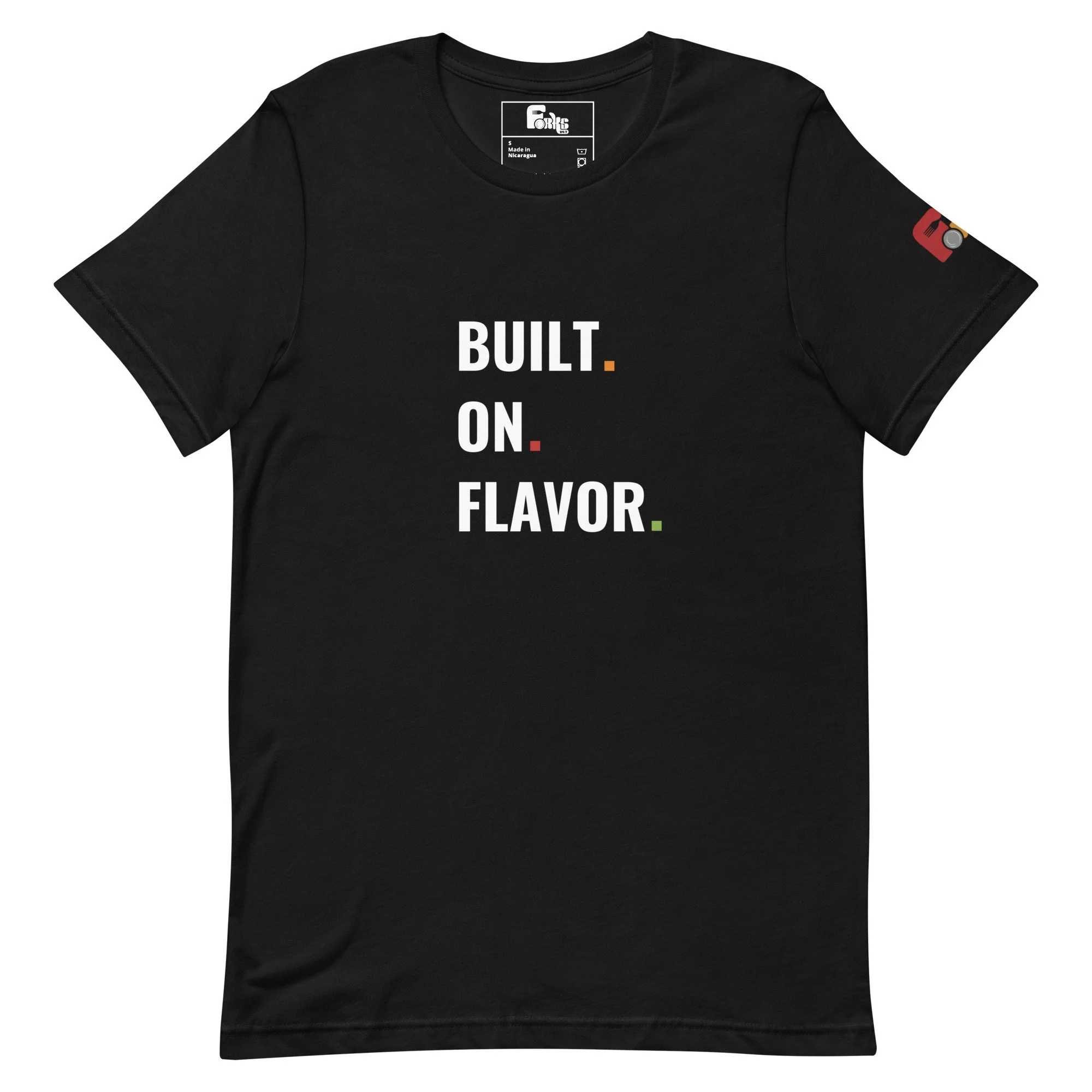





Follow Us
A chef’s rule worth wearing.
The Taste It Before You Trust It T-Shirt takes one of the kitchen’s simplest lessons and turns it into a statement. Bold typography paired with a refined editorial accent gives the design a clean, modern look that feels just as good outside the kitchen as it does behind the line.
Finished with subtle Forks247 branding on the sleeve, this tee is made for cooks, food lovers, and anyone who knows the final decision should always come down to flavor.
Detail
Premium unisex fit 100% combed and ring-spun cotton Heather colors contain polyester Fabric weight: 4.2 oz./yd² (142 g/m²) Pre-shrunk fabric Side-seamed construction Shoulder-to-shoulder taping Forks247 sleeve branding Designed for everyday comfort
Taste it. Adjust it. Trust yourself.