Why Your Salad Tastes Flat — And How Chefs Fix It
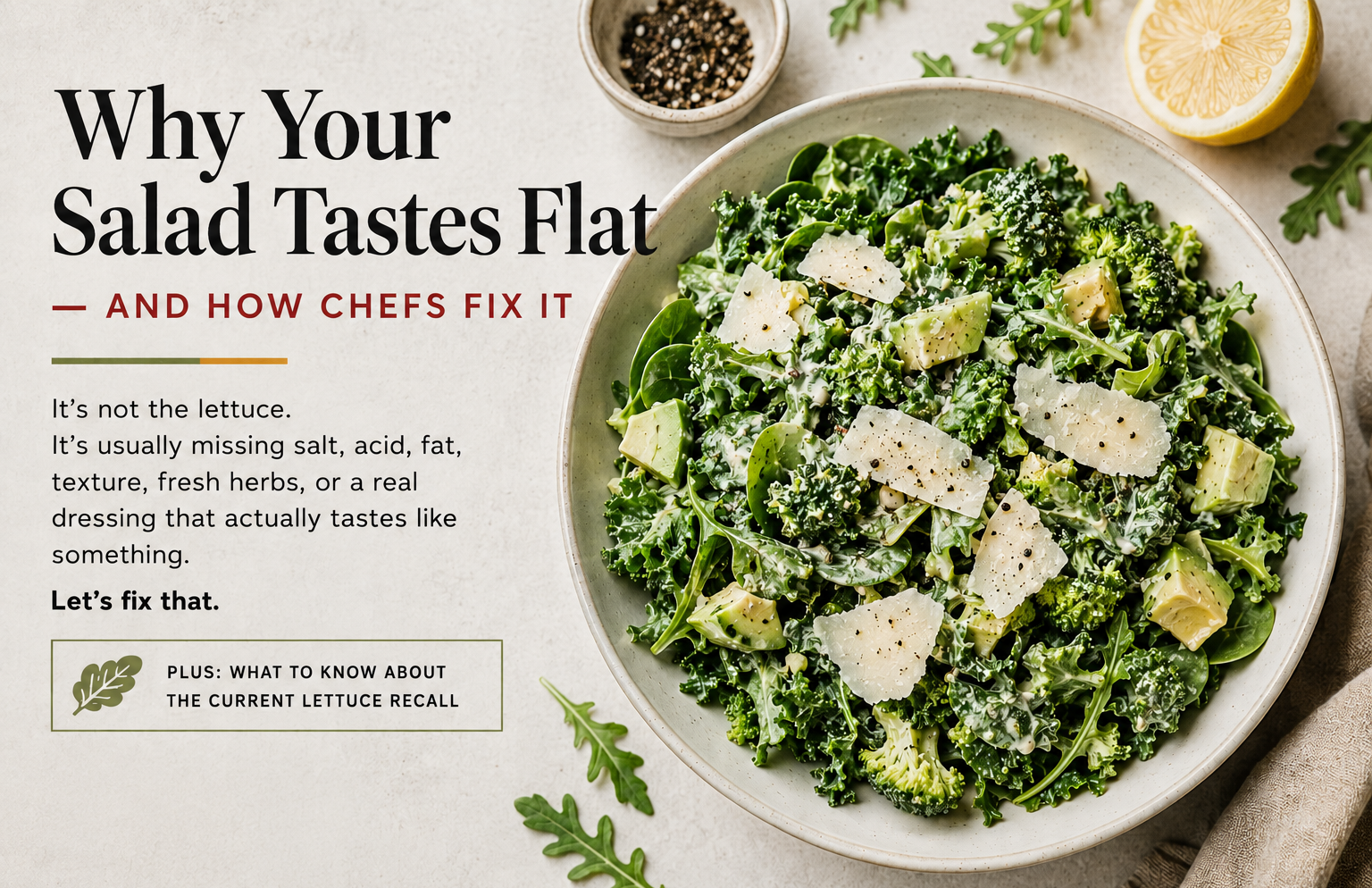
Lettuce may be making headlines again, but let’s be honest: the bigger crime is still how many salads taste like somebody gave up halfway through making dinner.
Let’s talk about salad. And yes, I know. With lettuce making headlines again lately, some of you may already be looking sideways at the produce section.
Fair.
But before we put the entire lettuce family on trial, there are two different conversations happening here.
One is food safety.
The other is the fact that far too many salads are just plain boring.
So no, I’m not suggesting we abandon salad and start counting french fries as our vegetable. Although I respect the creativity.
The Problem Isn’t the Lettuce
Salads get a bad reputation because too many of them taste exactly like what they are:
A bowl of cold vegetables with dressing poured on top.
That’s not really a composed dish.
That’s produce with accessories.
A good salad should have the same things I look for when building any other dish in the kitchen:
Seasoning
Salt and pepper shouldn’t suddenly appear for the first time inside the dressing.
Acid
Lemon, lime, or vinegar can be the difference between flat and bright.
Fat
Olive oil, avocado, cheese, nuts, and creamy dressings carry flavor and create body.
Texture
Crunch, creaminess, tenderness, and crispness keep every bite interesting.
You shouldn’t be eating a salad thinking, “Well, at least I’m making a healthy choice.”
You should actually want another bite.
Buy With Your Eyes Open
The recall is a good reminder of something we probably don’t talk about enough:
Know what you’re buying.
Turn the package over. Look at where it came from. Check the producer. Check your dates.
And don’t assume one specific recall means every head of lettuce in America suddenly needs legal representation.
Recalls are typically tied to specific products, growers, production facilities, dates, or distribution chains.
Buying local and seasonal isn't just a nice slogan for a farmers market tote bag. Produce that is in season often has better flavor before you do anything to it — which means you don't have to work nearly as hard to make it taste good.
Which brings us to what I really want to talk about: building flavor.
Season the Salad — Not Just the Dressing
One of the biggest mistakes home cooks make is expecting the dressing to do all the work.
Your vegetables need seasoning too.
I’m not telling you to dump a tablespoon of salt over romaine and call it culinary school.
A light pinch of kosher salt and freshly ground black pepper can wake up tomatoes, cucumbers, cabbage, greens, avocado, and other vegetables.
Tomatoes are one of the best examples.
Slice them. Season them lightly. Give them a few minutes. Then taste one.
You’ll understand.
In professional kitchens, we season throughout the process. We don't cook an entire dish completely unseasoned and then ask the salt shaker to save everybody at the end.
If It Tastes Flat, Check the Acid
You take a bite.
Something is missing.
Your first instinct may be to add more dressing.
Wait.
There’s a very good chance what you’re actually missing is acid.
Fresh lemon juice.
Lime.
Apple cider vinegar.
Champagne vinegar.
Red wine vinegar.
Balsamic.
Acid brightens everything around it.
It also cuts through rich ingredients such as avocado, cheese, bacon, nuts, creamy dressings, and grilled meats.
Sometimes I’ll finish a salad with a small squeeze of fresh lemon even when there's already acid in the dressing.
Not enough that somebody takes a bite and says, “Mmm. Lemon salad.”
That is not the goal.
You want just enough to wake everything up.
Please Stop Being Afraid of Fat
We spent years being told salad needed to be as light as humanly possible.
Dry lettuce.
Fat-free dressing.
Three croutons.
Maybe a tomato if we're celebrating.
No thank you.
Fat carries flavor.
Good olive oil, avocado, cheese, nuts, seeds, bacon, tahini, mayonnaise, yogurt, and creamy dressings can give a salad richness and body.
The trick isn't eliminating fat.
The trick is balancing it.
Creamy Caesar? Bring in lemon. Avocado? Lime loves it. Goat cheese? Give me a bright vinaigrette. Bacon? Fruit and vinegar can cut straight through the richness.
I Need Some Crunch
Texture matters much more than people realize.
A salad made entirely of soft ingredients gets boring quickly.
I want contrast.
Crisp lettuce + toasted nuts.
Creamy avocado + crunchy cabbage.
Juicy strawberries + crisp bacon.
Tender roasted beets + pecans.
Soft goat cheese + toasted breadcrumbs.
Charred corn + crisp peppers.
When I'm developing a salad, there’s a question I almost always ask:
“What’s the crunch?”
If I don't have an answer, we're probably not finished.
And before somebody says croutons — yes.
Croutons count.
But we can dream bigger.
Romaine Doesn’t Have to Carry the Entire Salad Industry
Stop expecting one kind of lettuce to do everything.
Arugula gives you pepperiness.
Spinach is mild and tender.
Kale gives you texture and body.
Romaine gives you crunch.
Cabbage stays crisp and loves bigger dressings.
Fresh herbs can practically become greens themselves.
And you can absolutely combine them.
That's part of what works in my Super Green Caesar Salad. Instead of relying only on romaine, it combines kale, spinach, arugula, and broccoli.
Each ingredient is doing something.
Texture. Bitterness. Freshness. Body.
And we haven't even added the dressing yet.
That’s what I mean when I say build flavor instead of simply assembling ingredients.
Fresh Herbs Are Not Just Decoration
Put herbs in the salad.
Not three parsley leaves strategically placed on top so everybody knows you own parsley.
Actually use them.
Basil
Tomatoes, peaches, mozzarella, balsamic, grilled vegetables.
Cilantro
Corn, lime, avocado, chile, grilled chicken, mango.
Mint
Watermelon, cucumber, citrus, berries, feta, peas.
Dill
Cucumber, creamy dressings, potato salads, salmon, lemon.
Herbs bring a huge amount of flavor without making the salad heavier.
Your Dressing Is Supporting Cast
I make a lot of dressings.
Caesar. Honey mustard. Avocado ranch. White balsamic vinaigrette. Honey lime. Champagne vinaigrette. BBQ vinaigrette.
I love a good dressing.
But the dressing shouldn't have to drag the entire salad across the finish line.
It should support what's already happening in the bowl.
Start with less dressing than you think you need. Drizzle. Toss. Taste. Then add more.
You can always add another spoonful. You cannot politely ask half a cup of ranch to leave after you've already poured it in there.
Give Me Something Unexpected
This is where salads get interesting.
Fruit is one of my favorite ways to do it.
Strawberries. Pears. Apples. Peaches. Citrus. Grapes. Watermelon.
They bring sweetness, acidity, juiciness, and texture all at once.
You can also work with roasted vegetables, charred corn, pickled onions, toasted spices, grains, grilled chicken, seafood, steak, flavored nuts, crispy chickpeas, or even barbecue sauce worked into a vinaigrette.
There is no Salad Rule Enforcement Agency waiting outside your kitchen.
Build something you actually want to eat.
Please Taste It Before You Serve It
Taste the finished salad.
Not the dressing by itself.
Not one cucumber.
Take an actual bite with several ingredients together.
Does it need salt?
Does it need acid?
Is it too rich?
Could it use sweetness?
Where's the crunch?
Is one ingredient overpowering everything else?
That's how chefs adjust food.
We taste. We evaluate. We correct.
The more you practice tasting intentionally, the easier it becomes to recognize what food needs.
That skill is far more useful than memorizing 500 recipes.
This Is What Building Flavor Really Means
Salt isn't simply salt.
Acid isn't simply vinegar.
Fat isn't something we're supposed to fear.
Heat isn't only about making food spicy.
Texture isn't an afterthought.
They're tools.
Once you understand what each one contributes, a recipe stops feeling like a set of handcuffs.
You start opening the refrigerator and thinking:
“I can make something out of this.”
Build a Salad You Actually Want to Eat
A great salad isn't punishment for what you ate over the weekend. It isn't the thing you order because you're trying to “be good.”
And despite the recent headlines, lettuce has not officially been canceled.
Check the recall. Read the label. Buy good ingredients. Then season them, add acid, bring in texture, balance the richness, and taste the finished dish.
That's when a pile of greens becomes an actual meal.
Source: Georgia Department of Agriculture Recalls



Follow Us

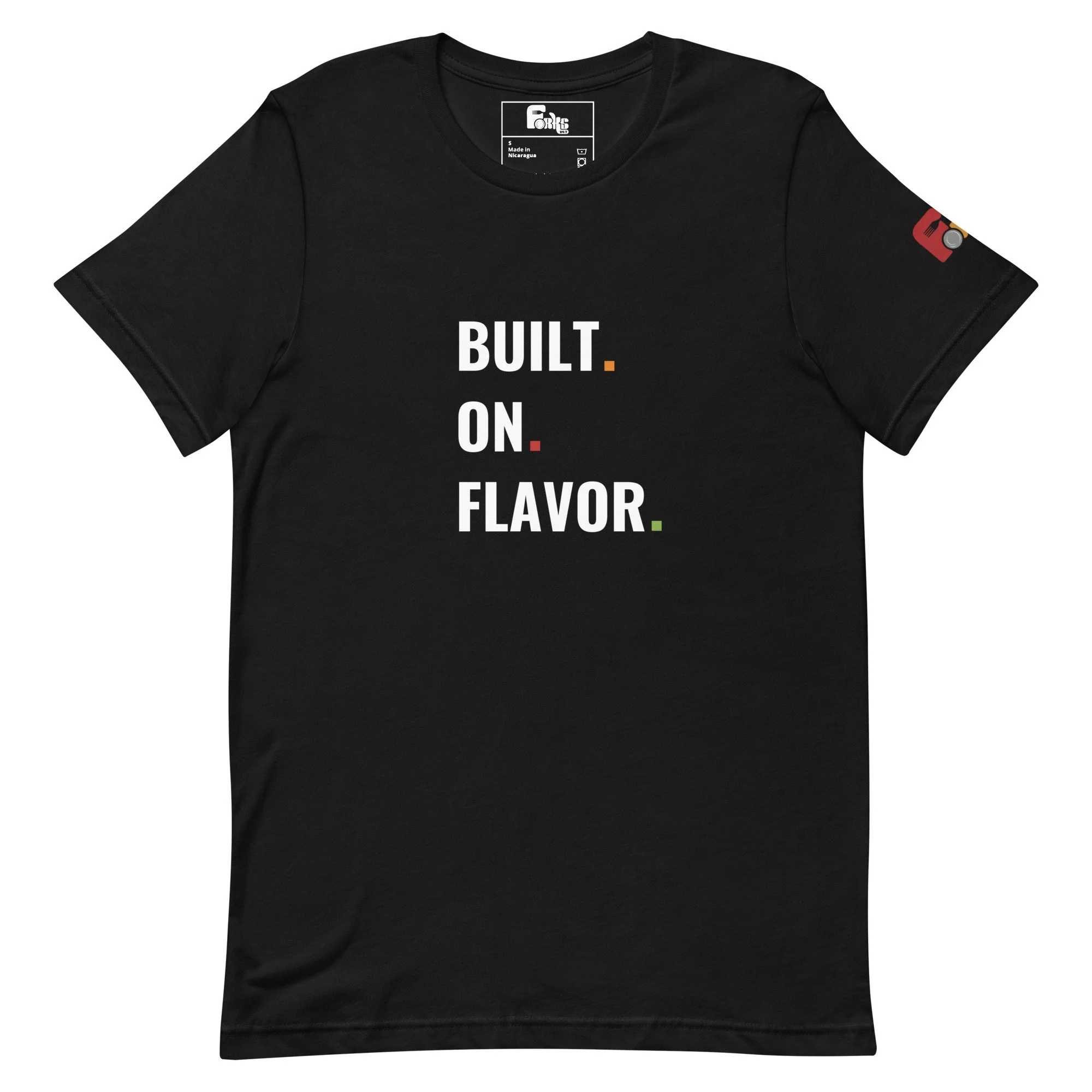
A chef’s rule worth wearing.
The Taste It Before You Trust It T-Shirt takes one of the kitchen’s simplest lessons and turns it into a statement. Bold typography paired with a refined editorial accent gives the design a clean, modern look that feels just as good outside the kitchen as it does behind the line.
Finished with subtle Forks247 branding on the sleeve, this tee is made for cooks, food lovers, and anyone who knows the final decision should always come down to flavor.
Detail
Premium unisex fit 100% combed and ring-spun cotton Heather colors contain polyester Fabric weight: 4.2 oz./yd² (142 g/m²) Pre-shrunk fabric Side-seamed construction Shoulder-to-shoulder taping Forks247 sleeve branding Designed for everyday comfort
Taste it. Adjust it. Trust yourself.