When the Recall List Starts Looking Like a Grocery List

These foods are sitting in restaurant walk-ins, grocery-store coolers, smoothie freezers, catering kitchens, and probably your refrigerator right now.
The goal is not to create panic. But when one recalled ingredient can make its way through an entire menu before a chef finishes the first cup of coffee, it is worth having a conversation.
Let’s Start With Cyclospora
Cyclospora is a microscopic parasite that can contaminate food or water and cause an intestinal illness called cyclosporiasis.
The main symptom is usually frequent watery diarrhea, but people may also experience bloating, cramps, nausea, fatigue, loss of appetite, fever, and weight loss.
Unlike a quick stomach bug that ruins one weekend, Cyclospora symptoms can hang around, improve, and then return like an unwanted dinner guest.
The recent outbreak has been connected to recalled iceberg lettuce. That matters because iceberg does not stay iceberg for long.
It becomes shredded taco lettuce, sandwich toppings, salad mixes, wraps, catering trays, and prepared meals. By the time a recall is announced, that one case of lettuce may have already made its way through half the menu.
Then There Are Eggs and Blueberries
Recent recalls have also involved shell eggs connected to Salmonella concerns and frozen blueberries linked to E. coli.
Eggs can end up in everything from breakfast plates and baked goods to Caesar dressing, aioli, breading, custards, and desserts.
Frozen blueberries may be used in smoothies, parfaits, sauces, cocktails, and baked goods—often without being cooked.
What This Means for Chefs and Restaurants
For the average customer, the instructions may be simple: check the package and throw it away.
For a chef or restaurant operator, it is rarely that easy.
You have to determine whether the product came into the building, whether it was removed from its original packaging, what recipes it was used in, what needs to be discarded, and which areas need to be cleaned and sanitized.
Then comes the fun part: rewriting the menu, calling the supplier, documenting the loss, and finding a replacement before service.
This is why labels, lot numbers, receiving records, and supplier information matter.
That cardboard box may not look important when it arrives, but during a recall it can quickly become the most valuable piece of trash in the kitchen.
Grocery Stores Have the Same Problem—Only Bigger
Grocery stores may have to remove products from shelves, storage areas, deli counters, bakery departments, salad bars, and prepared-food sections.
A recalled egg may already be inside a cake. A recalled blueberry may already be blended into a smoothie. A recalled head of lettuce may already be chopped into ten different products.
Once an ingredient has been repackaged or prepared, tracking it becomes much harder. This is where good systems matter more than good intentions.
Is Hydroponic Produce Safer?
Hydroponic produce can reduce some risks connected to soil and outdoor growing conditions, but it is not automatically contamination-proof.
Problems can still come from water, workers, equipment, packaging, transportation, or handling.
Chefs and buyers should still ask suppliers how their water is tested, how products are traced, how employees are trained, and how quickly a specific batch can be identified if something goes wrong.
What Can Chefs Use Instead?
When lettuce is recalled, the solution does not always have to be another lettuce. Think about the role the ingredient plays and replace that instead.
For crunch and structure, consider:
- Shaved cabbage
- Radicchio
- Endive
- Shaved fennel
- Cucumber
- Jicama
- Broccoli slaw
- Collard-green slaw
Sometimes the replacement is actually better.
Cabbage holds longer on tacos. Fennel adds flavor. Radicchio gives a salad more personality. A recall may force a menu adjustment, but it does not have to produce a sad plate.
Just make sure the replacement comes from a verified supplier. Swapping one mystery box for another is not a food-safety strategy.
What Home Cooks Should Do
Check the brand, package size, lot number, plant code, and dates listed in the official recall.
Do not assume every egg, blueberry, or head of lettuce is affected. Recalls usually involve specific products and production runs.
When you find a recalled item, do not taste it to see whether it seems fine. Foodborne pathogens do not usually provide a flavor preview.
Discard it or return it as directed, then clean any shelves, drawers, containers, counters, or utensils it touched.
And no, washing recalled lettuce one more time is not enough. Your kitchen sink is useful, but it is not a federal food-safety laboratory.
The Bigger Lesson
These recalls are not a reason to become afraid of food.
They are a reminder that food moves quickly, ingredients travel through complicated supply chains, and businesses need systems that allow them to respond just as quickly.
Food safety should not live inside a binder that only gets opened when the health inspector arrives.
It belongs in purchasing, receiving, storage, labeling, prep, training, supplier relationships, and menu planning.
For chefs, this is part of the craft. Flavor matters. Presentation matters. Creativity matters.
But the best-looking plate in the dining room is still a failure if it makes someone sick.
The goal is not panic. The goal is awareness, better tracking, reliable suppliers, and knowing exactly what to do when the recall list starts looking a little too much like tonight’s menu.

Keep Building Better Meals
Bring the Conversation Into Your Kitchen
Inside Kitchen Studio, I teach the cooking decisions behind better meals: how to build flavor, work with ingredients more intentionally, and create food that doesn't depend on one ingredient to be satisfying.
Enter Kitchen Studio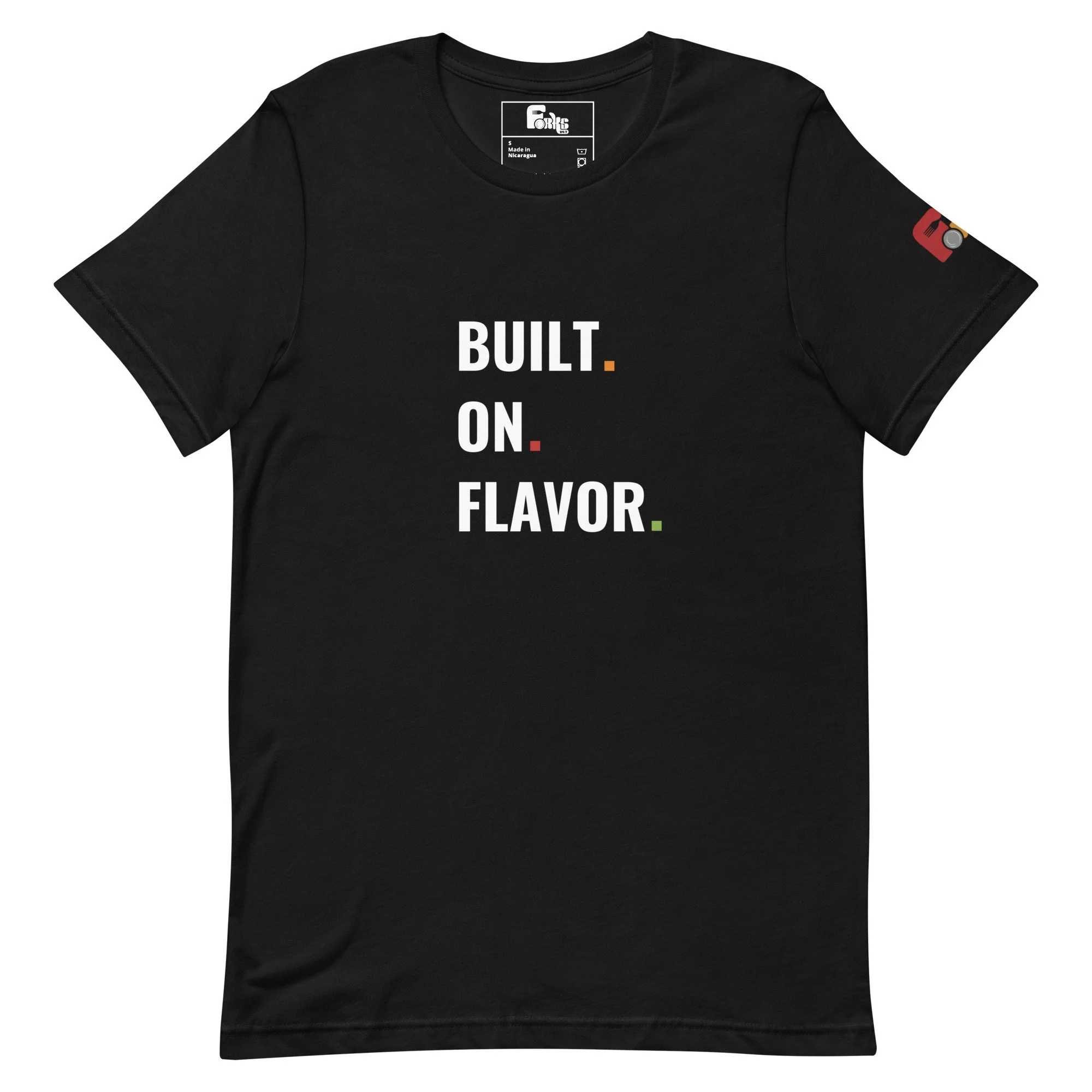




Follow Us

A chef’s rule worth wearing.
The Taste It Before You Trust It T-Shirt takes one of the kitchen’s simplest lessons and turns it into a statement. Bold typography paired with a refined editorial accent gives the design a clean, modern look that feels just as good outside the kitchen as it does behind the line.
Finished with subtle Forks247 branding on the sleeve, this tee is made for cooks, food lovers, and anyone who knows the final decision should always come down to flavor.
Detail
Premium unisex fit 100% combed and ring-spun cotton Heather colors contain polyester Fabric weight: 4.2 oz./yd² (142 g/m²) Pre-shrunk fabric Side-seamed construction Shoulder-to-shoulder taping Forks247 sleeve branding Designed for everyday comfort
Taste it. Adjust it. Trust yourself.