
The Power of Umami: The Flavor Most Home Cooks Forget or Don’t Know
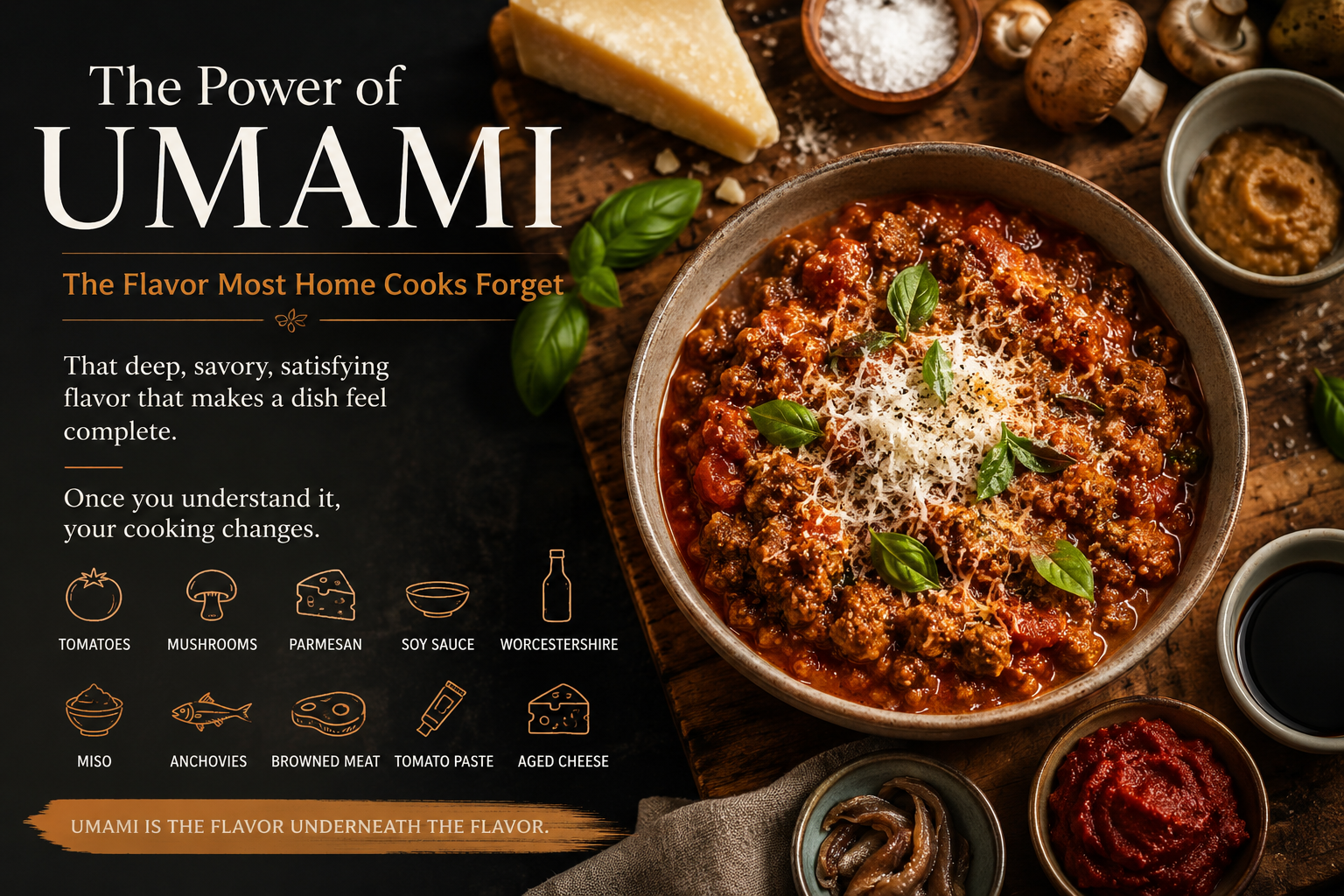
There’s a reason restaurant food hits differently.
It’s not always more butter. It’s not always more salt. And it’s definitely not always some secret ingredient locked in the back of the kitchen.
A lot of the time, it’s umami.
That deep, savory, satisfying flavor that makes a dish feel complete. The kind of flavor that makes people take a bite, pause for a second, and say, “I don’t know what’s in this, but it’s good.”
That’s umami doing its job.
And here’s the thing: most home cooks are already using umami ingredients. They just may not be using them on purpose.
- Tomatoes
- Mushrooms
- Parmesan
- Soy Sauce
- Worcestershire
- Miso
- Anchovies
- Browned Meat
- Tomato Paste
- Aged Cheese
These aren’t just ingredients. They’re flavor builders.
Umami is the flavor underneath the flavor.
Umami Is the Flavor Underneath the Flavor
When I teach umami inside Kitchen Studio, I don’t teach it as some fancy culinary school term you need to memorize. I teach it as something you can taste.
Because once you understand what umami does, your food changes.
Soups taste deeper. Sauces taste more finished. Vegetables feel more satisfying. Weeknight meals start tasting like they had more time, more care, and more intention behind them.
And that’s the point.
Cooking better is not always about doing more. Sometimes it’s about knowing where flavor actually comes from.
The Mistake Most Home Cooks Make
A lot of home cooks think umami only belongs in Asian cooking because they associate it with soy sauce, miso, or MSG.
But umami is everywhere.
It’s in a good tomato sauce. It’s in mushrooms sautéed until they brown. It’s in parmesan melting into hot broth. It’s in meat that’s properly seared instead of just steamed in the pan. It’s in tomato paste when you let it cook down instead of rushing it.
That’s why I always say: you don’t need to make food complicated. You need to make it intentional.
Chef David’s Flavor Note
Umami doesn’t have to shout. Sometimes the best flavor move is the quiet one — the ingredient or technique that gives the whole dish more backbone.
The Small Move That Makes a Big Difference
One of the easiest ways to start building umami is to stop treating ingredients like they’re just there for the recipe and start asking what they’re bringing to the dish.
Tomato paste, for example, should not just be stirred in and forgotten. Let it hit the pan. Let it darken a little. Let it become deeper and richer before you add your liquid.
That one little step changes the whole direction of the dish.
Same thing with mushrooms. If you crowd them in the pan and they steam, you get soft mushrooms. If you give them space and let them brown, you get flavor.
That’s the difference between following a recipe and learning how to cook.
Umami Is How You Build Depth Without Overdoing It
Here’s what I love about umami: it gives you depth without forcing you to add more salt, more fat, or more heavy ingredients.
That matters.
Because sometimes a dish doesn’t need more seasoning. It needs more backbone.
- A splash of soy sauce in a tomato-based dish.
- A parmesan rind in soup.
- A spoonful of miso in a stew.
- A little Worcestershire in a braise.
- Mushrooms cooked until they actually taste like something.
These are the quiet moves that make food feel complete.
Not louder. Better.
Want to Cook With More Confidence?
This blog is just the beginning. Inside Kitchen Studio, Chef David breaks down real cooking decisions, flavor-building moves, common mistakes, and simple kitchen actions you can use right away.
If you’re tired of just following recipes and hoping they work, this is where you start learning how flavor actually works.

Download Kitchen Studio
Take Chef David’s cooking guidance with you. Install Kitchen Studio on your phone or desktop and start building better meals from pantry to plate.
Install Kitchen StudioFinal Bite
Umami is one of those things you feel before you can explain it.
It’s the reason a sauce tastes finished. It’s the reason a soup tastes like it simmered longer than it did. It’s the reason simple ingredients can taste like something special.
Once you start cooking with umami in mind, you’ll notice it everywhere.
And once you notice it, you’ll start building better meals — meal after meal.
Stay in the Kitchen With Chef David
Get recipes, chef tips, kitchen confidence, and flavor-building ideas delivered from Forks247. No fluff — just practical cooking guidance you can actually use.





Follow Us

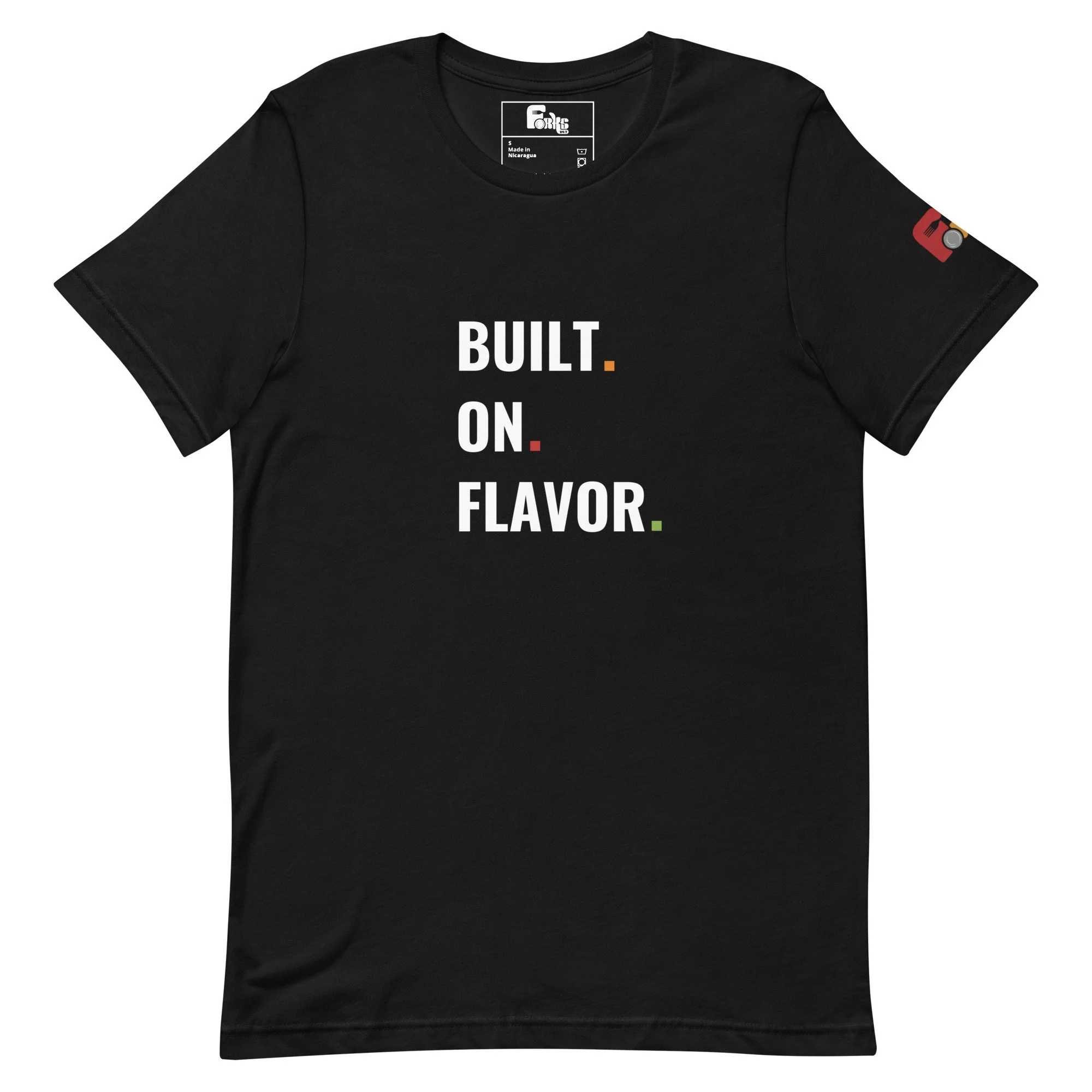
A chef’s rule worth wearing.
The Taste It Before You Trust It T-Shirt takes one of the kitchen’s simplest lessons and turns it into a statement. Bold typography paired with a refined editorial accent gives the design a clean, modern look that feels just as good outside the kitchen as it does behind the line.
Finished with subtle Forks247 branding on the sleeve, this tee is made for cooks, food lovers, and anyone who knows the final decision should always come down to flavor.
Detail
Premium unisex fit 100% combed and ring-spun cotton Heather colors contain polyester Fabric weight: 4.2 oz./yd² (142 g/m²) Pre-shrunk fabric Side-seamed construction Shoulder-to-shoulder taping Forks247 sleeve branding Designed for everyday comfort
Taste it. Adjust it. Trust yourself.