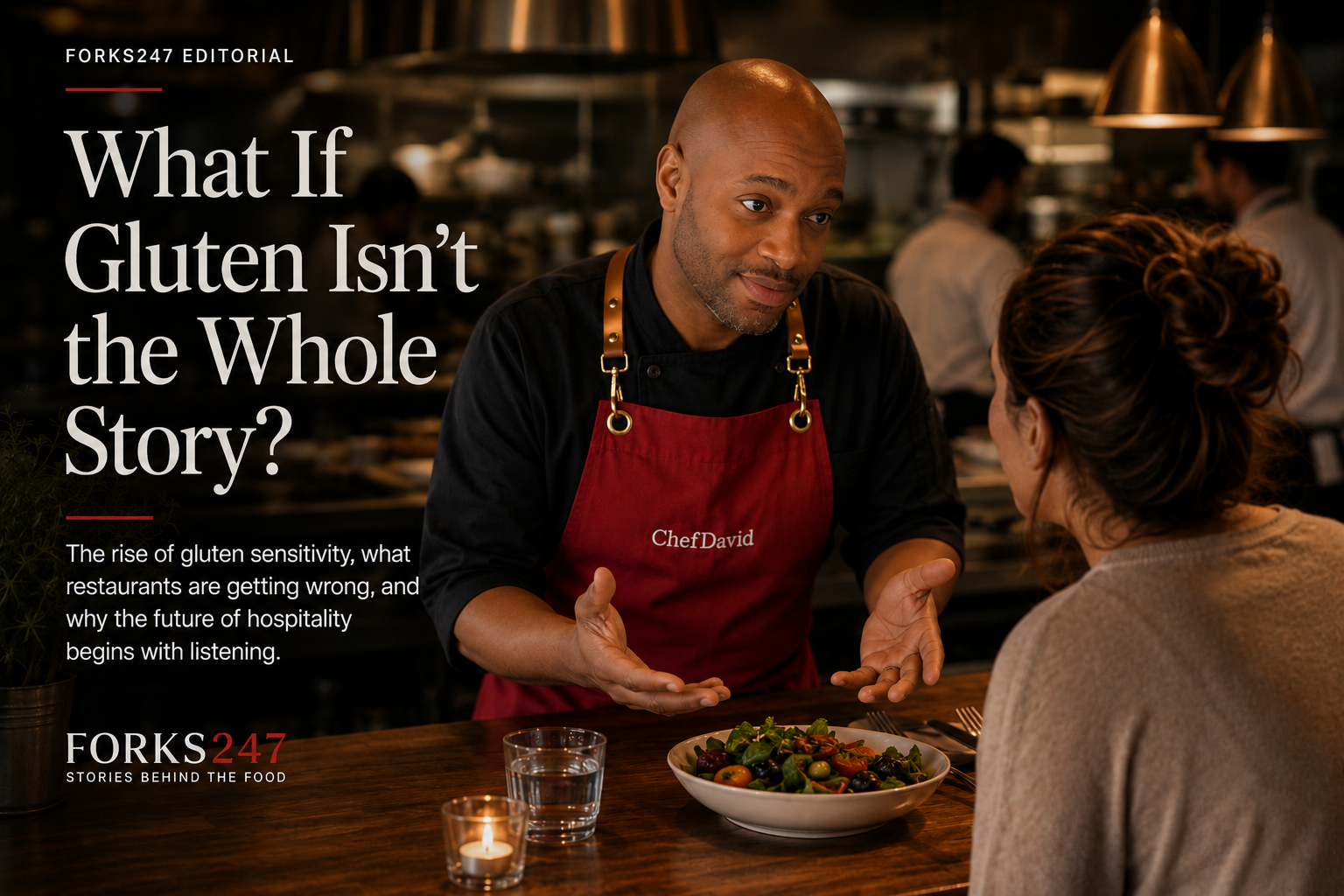
Not long ago, if someone at a restaurant asked whether a dish was gluten-free, there was a good chance someone in the kitchen quietly rolled their eyes.
“Another gluten-free order.”
Some assumed it was the latest diet trend. Others believed it was just another customer making dinner more complicated than it needed to be.
Today? That same guest might determine where an entire family chooses to eat.
So, what changed?
Did millions of people suddenly become gluten intolerant? Has modern wheat fundamentally changed? Are we overdiagnosing gluten sensitivity? Or are we finally paying attention to something that has been quietly growing for years?
As a chef, I've spent my career feeding people. I've built menus, trained cooks, managed busy kitchens, and watched dining trends come and go. But this isn't just another trend I'm observing from behind the pass.
Years ago, I was diagnosed with non-celiac gluten sensitivity (NCGS).
That diagnosis didn't make me anti-bread. It didn't make me afraid of pasta. It didn't suddenly turn me into someone who reads every ingredient label in the grocery store.
What it did do was force me to pay attention.
I began noticing patterns. Certain meals left me feeling perfectly fine. Others left me bloated, sluggish, inflamed, and wondering why something as simple as lunch could derail the rest of my day.
As both a chef and someone living with NCGS, I found myself asking the same questions many of my guests were asking.
What is actually happening?
We May Be Asking the Wrong Question
For years the conversation has been incredibly simple.
“Gluten is bad.”
But science rarely works that way.
Celiac disease is real. It's an autoimmune disease that affects about 1% of the population and requires complete avoidance of gluten.
A wheat allergy is also real.
Then there's non-celiac gluten sensitivity—a condition that researchers continue to study because, unlike celiac disease, there isn't a single laboratory test that provides a clear diagnosis.
That uncertainty has created plenty of confusion.
Some people dismiss it. Others assume everyone should stop eating gluten. Neither extreme tells the whole story.
Researchers now believe that for some people, gluten may not be the only culprit. Components naturally found in wheat, such as fructans and amylase-trypsin inhibitors, along with individual gut health and overall dietary patterns, may also play a role.
In other words, what many people experience may be better described as a sensitivity to wheat or certain wheat-based foods rather than gluten alone.
That should make us pause.
Because maybe the conversation isn't just about gluten.
Maybe it's about the food system we've built around it.
Bread Isn't What It Used To Be...
Walk into almost any supermarket.
Bread.
Bagels.
Cookies.
Crackers.
Pizza.
Hamburger buns.
Pancakes.
Pastries.
Breakfast cereals.
Snack cakes.
Wraps.
Our modern diet is wrapped in refined flour.
Not because flour is evil. Because it's inexpensive, versatile, shelf-stable, and incredibly profitable.
But here's the question I keep coming back to.
When did convenience become more important than craftsmanship?
Bread was once slow. Dough fermented overnight. Ingredients were simple. Time did most of the work.
Today, many commercial breads are engineered for speed, consistency, softness, and shelf life.
That's an incredible achievement from a manufacturing perspective.
Whether it's always the best thing for our bodies is a different conversation.
Then Why Can So Many People Eat Bread in Europe?
It's one of the most common questions I hear.
“I can eat bread in Italy.” “I spent two weeks in France and never had a problem.” “I came home and the symptoms came back.”
Are those stories proof that European wheat is healthier?
No. Not by themselves.
Anecdotes are not scientific evidence.
But they are interesting enough to deserve honest discussion.
European countries often grow different wheat varieties. Baking traditions commonly involve longer fermentation times, and food regulations differ from those in the United States. Those differences may influence how bread is made and how people experience it.
At the same time, researchers have not concluded that American wheat is inherently unhealthy or that European bread is automatically easier for everyone to digest.
The truth is more complicated.
And honestly? Complicated answers usually turn out to be the honest ones.
Here's What I Think We Should Be Talking About
Maybe the bigger issue isn't gluten.
Maybe it's our growing dependence on highly processed foods. Maybe it's the fact that many of us consume refined flour several times a day without even noticing. Maybe it's shortened fermentation. Maybe it's our gut microbiome. Maybe it's additives. Maybe it's stress. Maybe it's all of those things working together.
Good chefs know that flavor rarely comes from one ingredient.
Health probably doesn't either.
Food Should Bring People Together
One of the things I love most about food is that it has always been our universal language.
We celebrate with it. We comfort one another with it. We build community around it.
The last thing I want is for people to become afraid of eating.
That's why this isn't an argument against bread. It's an argument for better conversations.
Let's stop dismissing people because their diagnosis doesn't fit neatly into a textbook. Let's stop pretending every gluten-free request is just another fad. Let's stop reducing incredibly complex nutrition science to catchy social media headlines.
Instead...
Let's ask better questions. Let's keep researching. Let's keep cooking. Let's keep listening.
Because the future of dining isn't about choosing sides between gluten and gluten-free.
It's about understanding the people sitting across the table from us.
I've been fortunate to experience that table from both sides—as the chef preparing the meal and as the guest hoping the meal won't make me sick.
Both perspectives have taught me the same lesson.
The most memorable restaurants aren't remembered because they served the perfect steak or the crispiest fries.
They're remembered because they made people feel seen.
And in a world where more guests are asking thoughtful questions about what they're eating, perhaps the greatest ingredient we can offer isn't flour, butter, or salt.
It's trust.

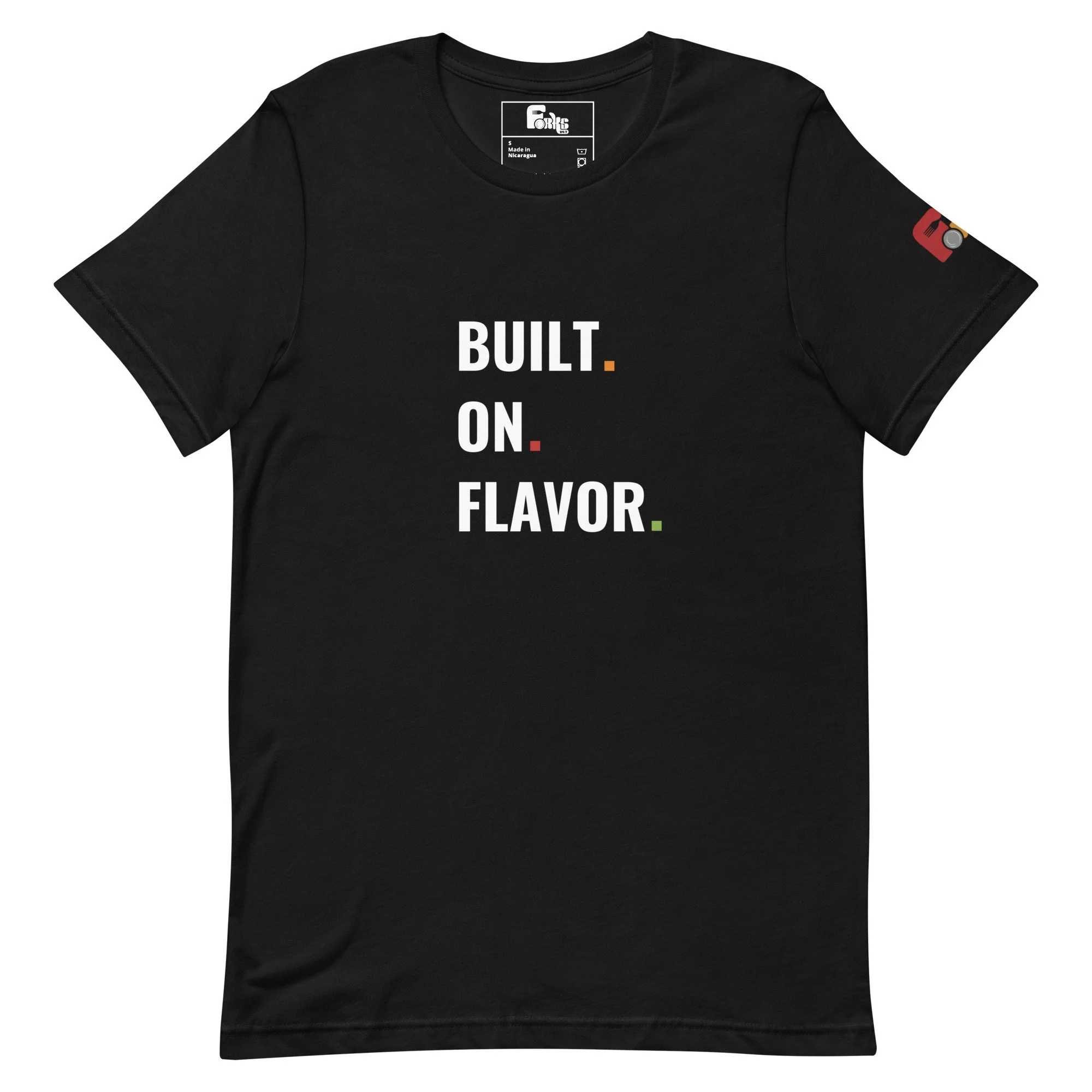

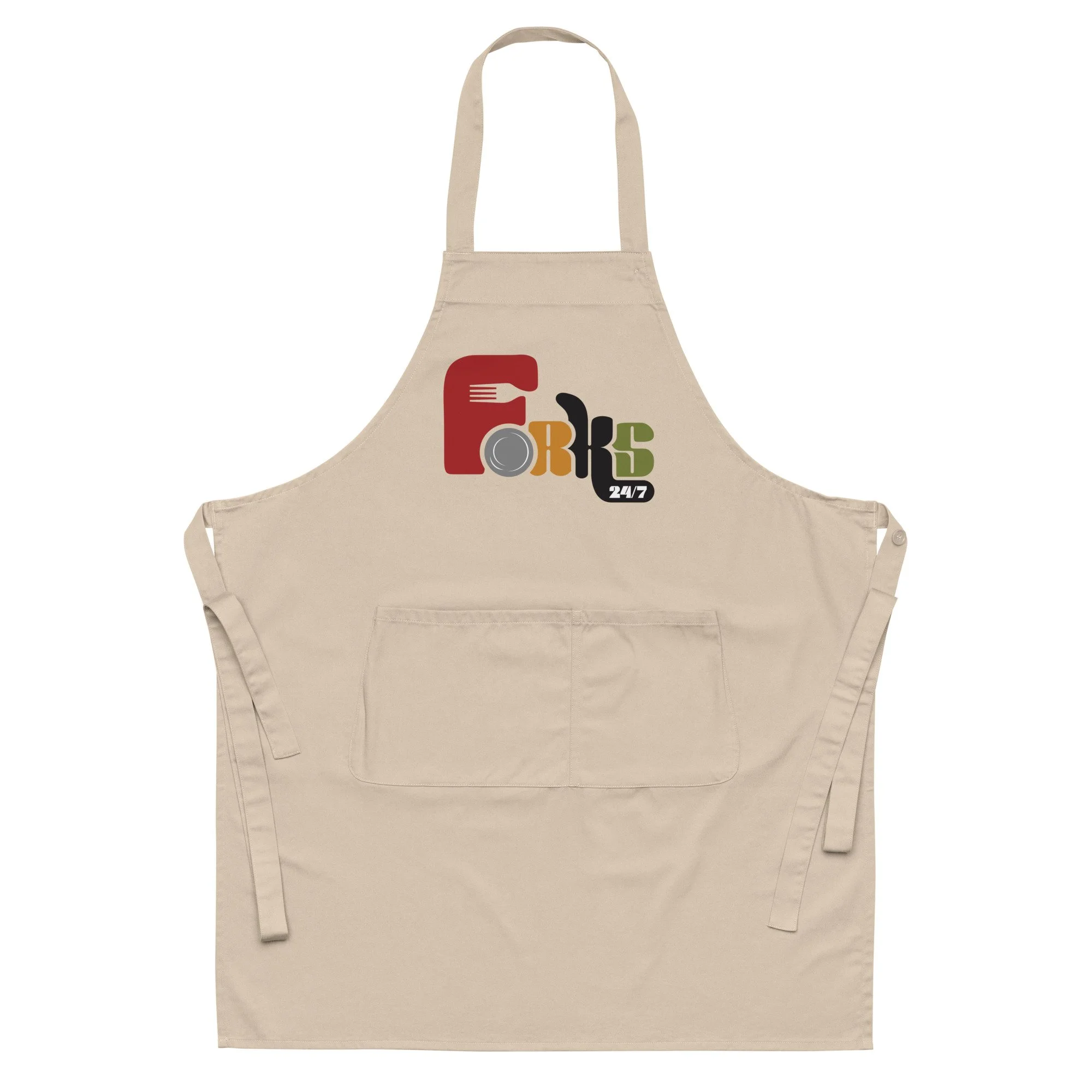




A chef’s rule worth wearing.
The Taste It Before You Trust It T-Shirt takes one of the kitchen’s simplest lessons and turns it into a statement. Bold typography paired with a refined editorial accent gives the design a clean, modern look that feels just as good outside the kitchen as it does behind the line.
Finished with subtle Forks247 branding on the sleeve, this tee is made for cooks, food lovers, and anyone who knows the final decision should always come down to flavor.
Detail
Premium unisex fit 100% combed and ring-spun cotton Heather colors contain polyester Fabric weight: 4.2 oz./yd² (142 g/m²) Pre-shrunk fabric Side-seamed construction Shoulder-to-shoulder taping Forks247 sleeve branding Designed for everyday comfort
Taste it. Adjust it. Trust yourself.