Why You Keep Buying Groceries and Still Feel Like There’s Nothing to Cook?
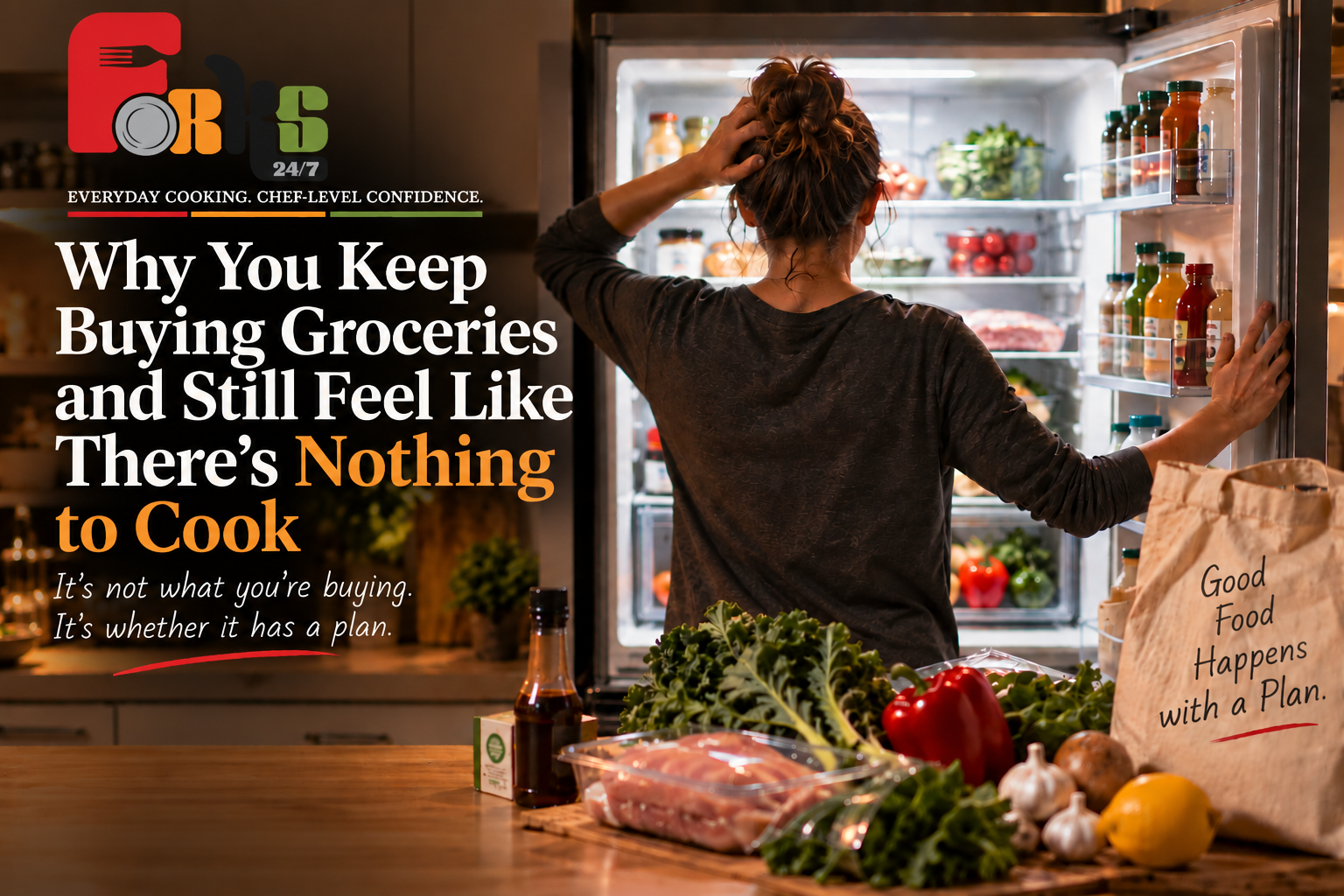
Your refrigerator probably isn’t empty. The problem is that having ingredients and having a dinner plan are two very different things.
You went grocery shopping.
There’s chicken in the refrigerator. Vegetables in the drawer. Rice in the pantry. Three sauces in the door, half an onion wrapped in plastic, and enough seasonings to open a small restaurant.
And somehow, at 6:47 PM, you’re standing in front of the refrigerator thinking:
There is.
That’s the frustrating part.
The problem usually isn’t that you don’t have food. You have ingredients. What you don’t have is a plan for turning those ingredients into dinner.
And those are two very different things.
A Full Refrigerator Is Not a Dinner Plan
Most of us grocery shop by ingredient.
Chicken looks good, so we buy chicken. Broccoli is on sale. Maybe some potatoes. A bag of spinach because apparently this is the week we become people who eat more spinach.
Then we grab a few things we always buy, add something that looked interesting, and head home feeling pretty prepared.
Three days later, none of it seems to go together.
That’s because buying food and planning meals require two different ways of thinking.
Same Grocery Store. Two Very Different Carts.
The difference isn’t necessarily what you spend. It’s whether the ingredients have a job.
One asks:
The better question is:
That tiny shift changes everything.
Stop Shopping for Ingredients. Start Shopping for Possibilities.
You don’t necessarily need seven completely planned dinners.
You need enough flexible pieces to create several dinners without starting from zero every night.
= a dinner you can actually build without another grocery run.
Chicken thighs + broccoli + rice + lemon and herbs.
Ground beef + peppers + potatoes + smoky spices.
Shrimp + pasta + spinach + garlic and lemon.
Suddenly the grocery cart has a purpose.
Better yet, those ingredients can move around.
The chicken can become a rice bowl tonight and tacos tomorrow. Roasted vegetables can be a side dish, go into pasta, or get folded into eggs. Rice can sit under grilled meat tonight and become fried rice later in the week.
That’s how restaurant kitchens think.
We don’t look at every ingredient as belonging to one single dish. We look at what that ingredient can become.
Your Groceries Need Jobs
This is one of the easiest ways to tell whether your grocery trip is actually setting you up for the week.
Before it goes in the cart, ask one question:
“What job does this have?”
It doesn’t need to belong to one specific recipe. It should simply have a reason for coming home with you.
That package of chicken? Maybe it covers two dinners.
The bunch of cilantro? Tacos one night, rice bowls another, and a quick sauce later.
Those vegetables? Roast enough once and use them twice.
Now you’re not buying random groceries and hoping inspiration arrives at 6 PM.
You’re building options.
The Ingredient Trap
Sometimes we buy ingredients for the person we think we’re going to be this week.
We buy produce for elaborate dinners. A specialty ingredient for a recipe we saw online. Fresh herbs for something we might make Thursday.
Then Thursday comes.
You’re tired.
Nobody wants to chop twelve things.
And suddenly that recipe feels like a personal attack.
This is why your grocery plan needs to account for real life, not fantasy life.
If you know there are two nights this week when you’re going to be exhausted, plan for them.
Rotisserie chicken. Eggs. Frozen vegetables. A good jarred sauce. Rice you already cooked.
Something you can put together in fifteen minutes without requiring a motivational speech first.
Give Yourself a Few Dinner Formulas
Recipes are great. But formulas are what save dinner when you don’t want to follow one.
Keep a few simple structures in your back pocket:
None of these require a complicated recipe.
They require ingredients that know how to work together.
And Please Look at What You Already Have
Before grocery shopping, check your refrigerator, freezer and pantry.
Seriously.
Because there is a very good chance you’re about to buy another bottle of Dijon mustard while two bottles are already hiding behind the mayonnaise.
Start with what needs to be used.
If you already have rice, pasta and potatoes, you probably don’t need another starch.
If chicken is in the freezer, maybe this week’s grocery money goes toward vegetables, herbs and something that gives that chicken a completely different personality.
Shopping this way also helps cut down on food waste because you’re building meals around what you already own instead of constantly introducing new ingredients into the kitchen.
Dinner Shouldn’t Start at Dinner
This might be the biggest shift.
Deciding what to eat when you’re already hungry is terrible timing.
By then, your patience is gone, everything sounds like work, and delivery suddenly looks like the greatest invention in human history.
Give dinner a five-minute head start earlier in the day.
That’s it.
Look at what you have. Pull something from the freezer. Decide which vegetable needs to get used. Think about the flavor direction.
You don’t need to prep the whole meal.
You just need to remove the question:
Because once that decision has been made, cooking gets a whole lot easier.
The Goal Isn’t a Perfect Meal Plan
I’m not interested in turning your refrigerator into a spreadsheet.
Some people love planning every dinner seven days in advance. Great.
Some of us decide Wednesday’s dinner based on what happened Tuesday. Also great.
The goal is simply to create enough structure that your groceries make sense when you get home.
Buy food that works together. Keep a few flexible dinner formulas. Use what you already have. Plan for the nights when you know you won’t feel like cooking. And give ingredients more than one possible destination.
Stop Depending on a Recipe for Every Dinner.
Knowing what you have is one thing. Knowing what to do with it is where cooking gets easier.
Inside Forks247 Kitchen Studio, the Meal After Meal: 100 Core Culinary Labs are built to help you understand seasoning, technique, flavor and the decisions behind cooking—so you can look at the ingredients you already have and know where to go next.
Because the goal isn’t just to collect more recipes. It’s to know how to cook.
Join Kitchen Studio & Access Meal After Meal Foundations— Chef David




Follow Us

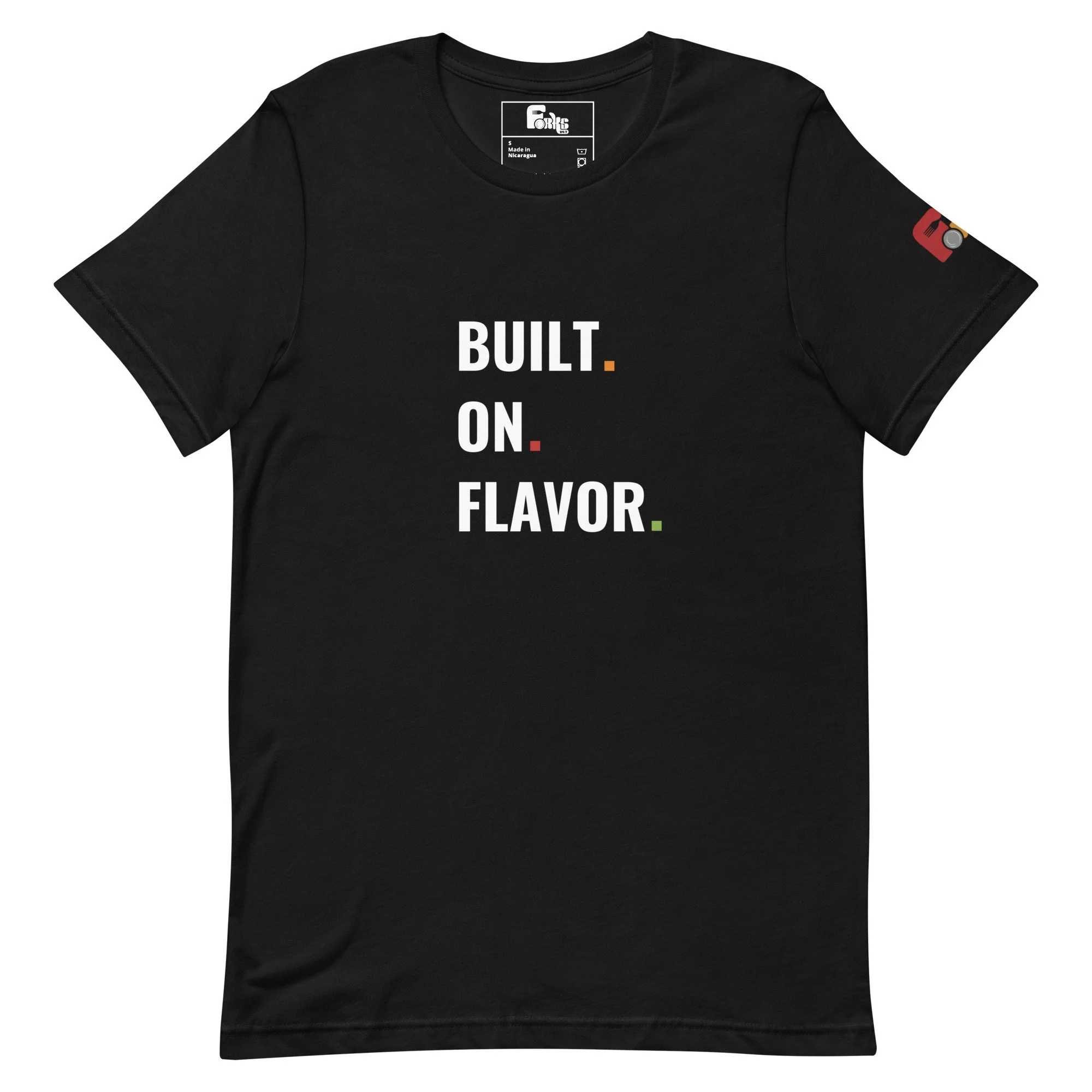
A chef’s rule worth wearing.
The Taste It Before You Trust It T-Shirt takes one of the kitchen’s simplest lessons and turns it into a statement. Bold typography paired with a refined editorial accent gives the design a clean, modern look that feels just as good outside the kitchen as it does behind the line.
Finished with subtle Forks247 branding on the sleeve, this tee is made for cooks, food lovers, and anyone who knows the final decision should always come down to flavor.
Detail
Premium unisex fit 100% combed and ring-spun cotton Heather colors contain polyester Fabric weight: 4.2 oz./yd² (142 g/m²) Pre-shrunk fabric Side-seamed construction Shoulder-to-shoulder taping Forks247 sleeve branding Designed for everyday comfort
Taste it. Adjust it. Trust yourself.