Welcome to Fall: It's Time to Cook Differently
Fall showed up this week.
Now, depending on where you live, somebody may need to tell the weather. It might still be warm outside. You may still have tomatoes sitting on the counter, a few ears of corn hanging around, and absolutely no desire to put on a sweater.
That's fine, because cooking with the seasons doesn't mean you have to wake up on the first day of fall, throw away everything in the refrigerator, buy six pumpkins, and immediately start making soup. It's a transition.
And honestly, that transition is one of my favorite times to cook.
The Kitchen Starts Changing Before You Realize It
Summer cooking tends to be quick, bright, fresh, grilled, chilled, and tossed together. Fall starts inviting us back to the stove. We roast a little longer. We let things simmer. We pull out the Dutch oven. We start building meals that smell good for two hours before anybody actually gets to eat them.
The ingredients change, but so does the way we cook.
And that's where fall gets interesting.
Your Produce Section Is About to Look Different
This is the time of year when vegetables that may have been background players suddenly deserve some attention.
Butternut, acorn, and other varieties become creamy, sweet, and deeply flavorful when roasted.
Carrots, parsnips, turnips, rutabagas, sweet potatoes, and beets love roasting, braising, and long cooking.
Kale, collards, and other sturdy greens can handle everything from a quick sauté to a long, flavorful braise.
Brussels sprouts, cabbage, and cauliflower completely transform when you give them enough heat to actually brown.
Some of those vegetables might already be regulars in your kitchen. Others might be the things you walk past at the grocery store because you're not entirely sure what you're supposed to do with them. Pick one up anyway.
You don't have to reinvent the way you cook just because you're trying something new. If you know how to roast a potato, you can roast a parsnip. If you know how to sauté greens, you can cook kale. If you know how to make mashed potatoes, try adding roasted cauliflower, rutabaga, or parsnips.
If you know how to make soup, you already have a place to experiment with squash, cabbage, beans, greens, root vegetables, and mushrooms.
Sometimes stepping outside your comfort zone in the kitchen isn't learning an entirely new technique. It's simply using a familiar technique on an unfamiliar ingredient.
Fall Is Really a Change in Technique
One of the things I love most about fall cooking is that time becomes an ingredient again.
We're not always trying to get dinner from cutting board to plate in fifteen minutes. Sometimes we want something bubbling quietly on the stove.
That's when roasting, braising, simmering, slow cooking, and stewing start earning their place in the kitchen again.
Roast It
If you're nervous about a fall vegetable, roasting is probably the easiest place to start. High heat does wonderful things to vegetables. Brussels sprouts get crispy around the edges. Carrots become sweeter. Cauliflower develops those deep browned spots. Squash turns creamy inside. Even cabbage becomes something completely different when the edges caramelize.
A little oil, salt, pepper, heat, and enough room on the pan can take you a long way.
Then build from there. Rosemary. Thyme. Sage. Garlic. Smoked paprika. Chili flakes. A little maple. Dijon mustard. Lemon. Balsamic.
You don't need all of them. Please don't use all of them. Choose a direction and let the vegetable still taste like itself.
Bring Back the Soup Pot
Soup season gets talked about like soup has to be heavy. It doesn't.
A fall soup can be roasted butternut squash blended until silky. It can be chicken with kale and white beans. Mushroom and barley. Tomato with roasted vegetables. Lentil soup with carrots and greens.
You can even take vegetables you already love and turn them into something completely different.
Soup is also one of the easiest places to keep a meal balanced. You've got vegetables. Add a protein. Maybe beans, lentils, chicken, turkey, beef, or seafood. Add a grain or potato if you want something more substantial. Finish with fresh herbs or a little acid to wake everything back up.
- Start with vegetables.
- Add protein if you want it.
- Add beans, lentils, grains, or potatoes for substance.
- Build flavor with herbs, spices, and aromatics.
- Finish with something fresh or acidic.
Now you have dinner, and probably lunch tomorrow. That's a win.
Let Something Braise
Braising sounds fancy until you realize we've been doing some version of it forever.
Take something that benefits from time, give it a good sear, add aromatics and enough flavorful liquid to help it along, cover it, lower the heat, and let time do what time does.
Beef short ribs are obvious, but braising isn't just for meat. Cabbage loves it. Greens love it. Fennel, leeks, carrots, beans, and even sturdy lettuces can completely change when they're slowly cooked with broth, herbs, garlic, onions, wine, tomatoes, or other flavorful liquids.
Don't reserve cooking techniques for the foods you normally associate with them. Braise the cabbage. Roast the grapes. Purée the cauliflower. Char the squash. Put an apple somewhere besides dessert. See what happens.
The Slow Cooker Can Come Back Out Too
And before anybody starts arguing about slow cookers versus Dutch ovens, I'm staying out of it. Use what works in your kitchen.
The point is that fall gives us permission to let dinner take its time. Chili. Pot roast. Chicken and vegetables. Beans. Pulled pork. Beef stew. Lentils. Curries. Braised chicken thighs.
These are meals that often get better when ingredients have time to mingle.
The biggest mistake is assuming slow cooking means you can throw seventeen random ingredients into a pot and automatically get something delicious.
You still have to build flavor. Brown the meat when it matters. Cook your onions. Use enough seasoning. Think about your liquid. Add delicate vegetables later when appropriate. Taste before serving.
One of my favorite finishing moves for anything that's been cooking for hours is adding something fresh at the end.
Fresh parsley. Lemon juice. Lime. Scallions. Cilantro. A splash of vinegar. Fresh herbs.
Long cooking creates depth. Fresh ingredients bring the dish back to life. You usually want both.
Stew Doesn't Have to Mean Meat, Potatoes, and Carrots
I love a classic beef stew. I'm not taking anything away from it. But fall is a great time to stretch your definition of what a stew can be.
- Chicken with sweet potatoes and greens.
- White beans with tomatoes, kale, and herbs.
- Lentils with roasted squash.
- Pork with apples and root vegetables.
- Beef with mushrooms and parsnips.
- Chickpeas with pumpkin and warm spices.
The basic idea stays the same: layers of flavor, enough liquid to bring everything together, and time. What changes is what you put in the pot.
Keep the Plate Balanced
Fall flavors can get rich very quickly. Butter. Cream. Cheese. Braised meats. Potatoes. Bread. Gravy.
Listen, I understand. But every fall meal doesn't have to leave you needing a nap.
If you're making something rich and slow-cooked, put something fresh next to it.
A crisp apple and cabbage slaw alongside braised pork. Roasted chicken with squash and a bitter green salad. Beef stew finished with fresh herbs and served with simply roasted vegetables. Creamy squash soup with a bright salad.
That's balance—not because we're trying to make dinner behave itself, but because balanced food usually tastes better.
You Don't Have to Become a Different Cook for Fall
That's really the point. Seasonal cooking shouldn't feel like homework.
You don't need to suddenly know how to prepare every variety of squash in the produce department. Pick one.
Try one new vegetable. Try one different cooking method.
If you normally steam broccoli, roast it. If you always roast carrots, braise them. If you've never cooked a parsnip, grab two and put them next to the potatoes.
If butternut squash intimidates you, buy it already peeled and cubed. I promise the chef police are not coming.
Cooking seasonally isn't about proving anything. It's about noticing what's available and giving yourself another reason to cook.
Want to Cook With More Confidence?
Kitchen Studio goes beyond recipes to help you understand seasoning, flavor-building, technique, meal planning, and the decisions chefs make while they cook.
Open Kitchen StudioOne Last Thought
Over the next few months, we're going to cook a little differently. There will still be quick dinners. There will still be salads. There will absolutely be nights when nobody feels like cooking.
But there will also be bubbling pots, roasting pans, soups that become lunch the next day, vegetables you haven't tried before, and stews that taste even better on day two.
And hopefully a few dishes that make you wonder why you waited so long to try them.
So don't feel like you need to overhaul your kitchen because the calendar says fall. Just start paying attention.
What's coming into season? What haven't you cooked before? What would happen if you treated a familiar ingredient differently?
Pick one thing. Roast it. Braise it. Simmer it. Slow cook it. Taste it. Then decide what you're cooking next.
Welcome to fall. Let's eat.
Keep Cooking With Forks247
Looking for your next fall meal or another chef-led read? Explore seasonal recipes, practical cooking ideas, and more from the Forks247 kitchen.






Follow Us

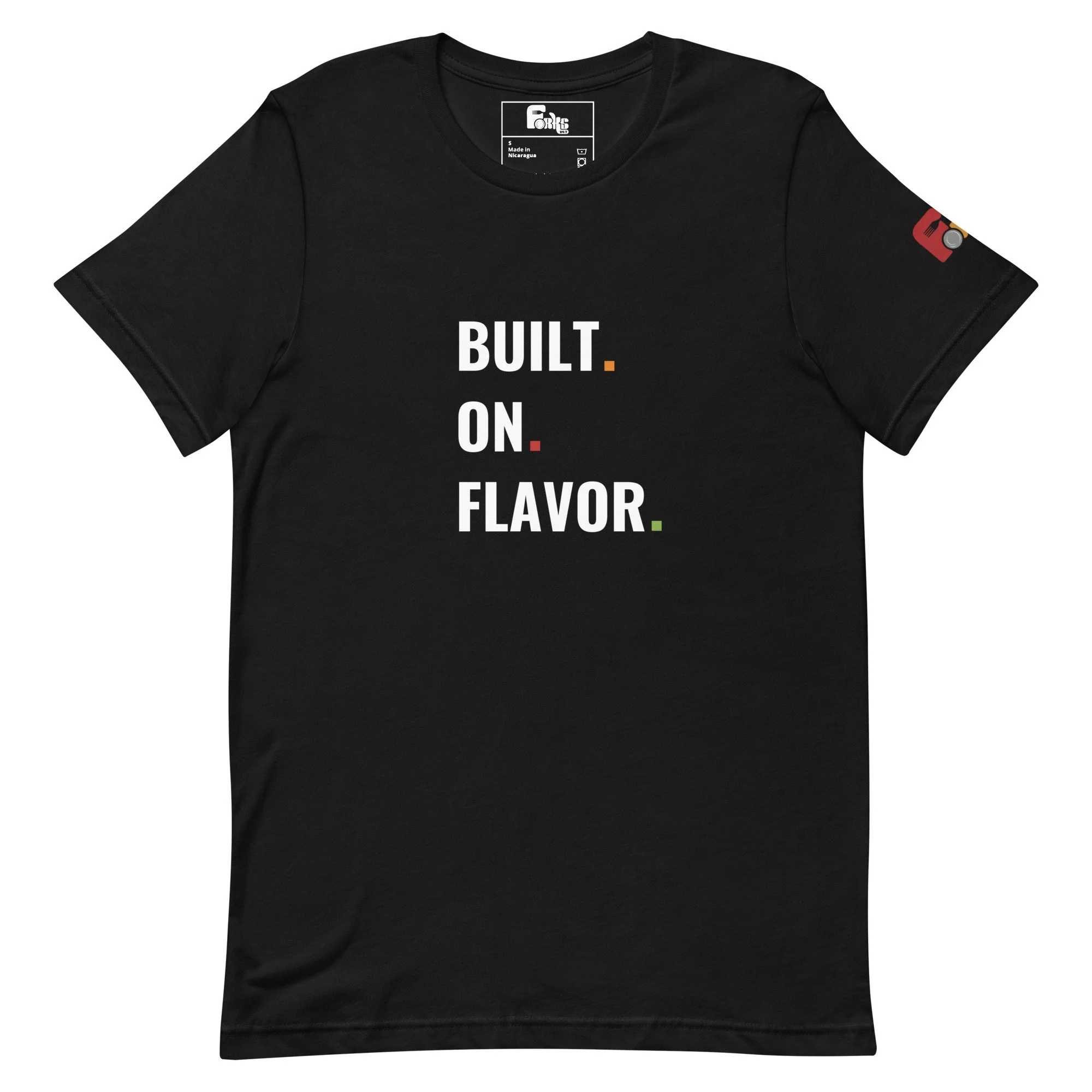
A chef’s rule worth wearing.
The Taste It Before You Trust It T-Shirt takes one of the kitchen’s simplest lessons and turns it into a statement. Bold typography paired with a refined editorial accent gives the design a clean, modern look that feels just as good outside the kitchen as it does behind the line.
Finished with subtle Forks247 branding on the sleeve, this tee is made for cooks, food lovers, and anyone who knows the final decision should always come down to flavor.
Detail
Premium unisex fit 100% combed and ring-spun cotton Heather colors contain polyester Fabric weight: 4.2 oz./yd² (142 g/m²) Pre-shrunk fabric Side-seamed construction Shoulder-to-shoulder taping Forks247 sleeve branding Designed for everyday comfort
Taste it. Adjust it. Trust yourself.