☕️ Sippin’ Tea with Dr. Dee x Forks 24/7: Why You’re Not Finishing Your Plate Anymore… And Why That’s Not a Bad Thing
A Conversation Worth Having
Every once in a while, a conversation comes along that shifts how we think about food—not just what we eat, but why we eat the way we do.
That’s exactly what Dr. Dee brings to the table.
In this collaboration, he breaks down a real shift happening right now—one that’s changing how people approach meals, portion sizes, and even satisfaction itself. Whether it’s being driven by GLP-1 medications or a growing awareness around how food actually makes us feel, the way we eat is evolving.
This isn’t about trends.
This is about behavior—and what happens when people start paying attention.
Let’s get into it.
Why You’re Not Finishing Your Plate Anymore… And Why That’s Not a Bad Thing
By Dr. Dee
There was a time—not too long ago—when the goal of a meal was simple: leave full. Not satisfied… full. Plates were built to impress, portions were oversized on purpose, and value was measured in how much you could barely finish.
Now? People are pushing the plate away halfway through—and doing it on purpose.
Not because the food is bad.
Because their relationship with food has changed.
The GLP-1 Effect (And Why It’s Bigger Than the Medication)

Let’s talk about the elephant in the dining room: GLP-1 receptor agonists.
Medications like Ozempic, Wegovy, and others have fundamentally changed how people experience hunger and satiety.
Here’s what the science shows:
GLP-1 medications increase satiety and slow gastric emptying, leading to earlier and longer-lasting fullness
They reduce appetite by acting on central nervous system pathways that regulate hunger
Clinical trials demonstrate significant reductions in caloric intake and body weight
Patients often report reduced cravings and improved control over eating behaviors
And here’s the key point…This doesn’t just change how much people eat. It changes how they think about food entirely.
This Shift Is Behavioral—Not Just Medical
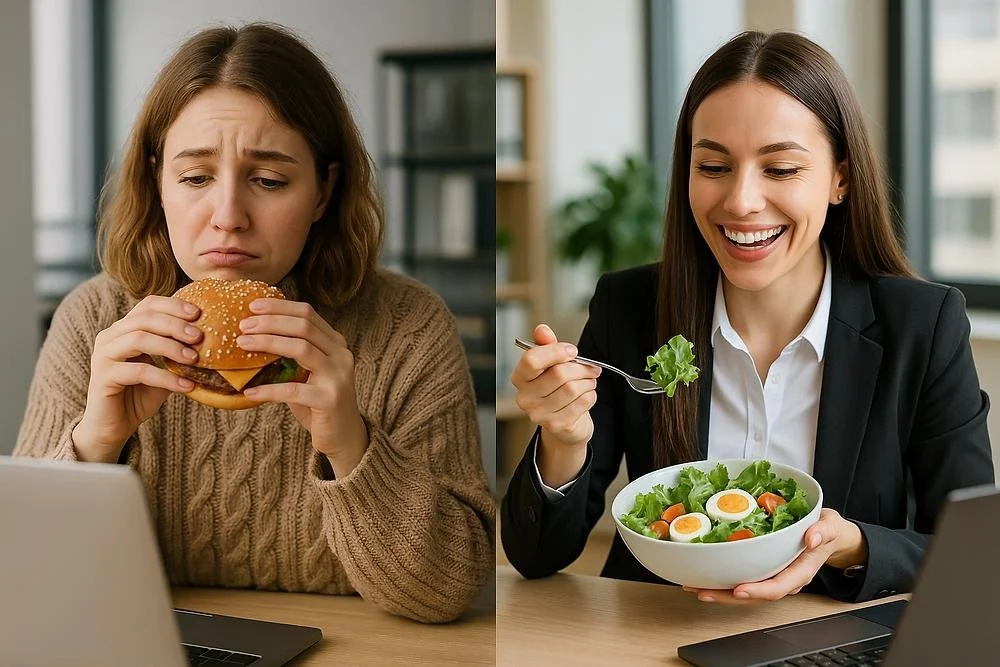
Even people not on these medications are starting to eat differently.
Why? Because awareness has caught up.
People are paying attention to:
Energy after meals
Bloating and digestion
Mental clarity
Hunger cues vs. habit
We’re watching a transition happen in real time:
From eating based on appetite → eating based on outcome
We’re Moving From “Full” to “Fueled”
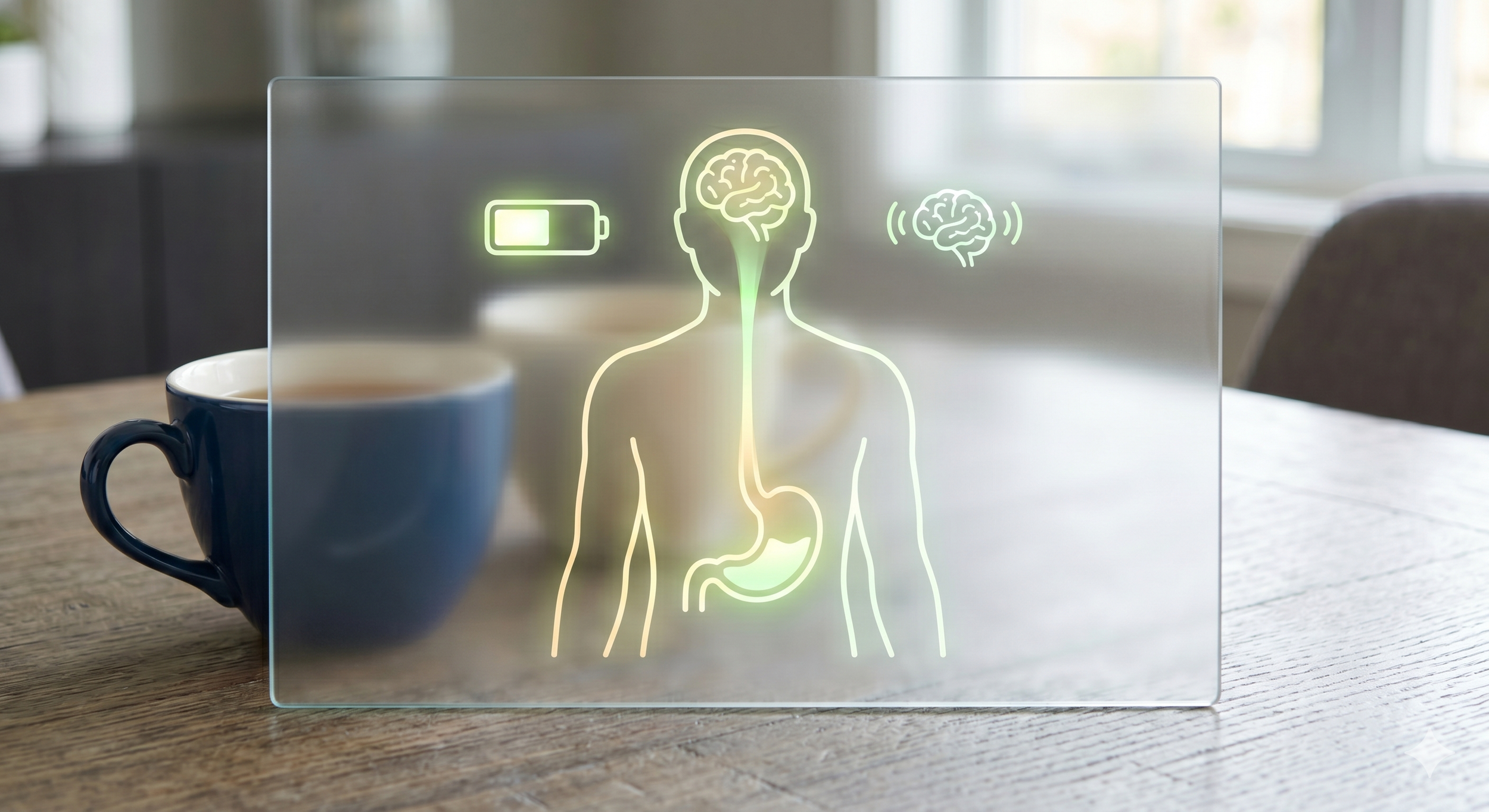
New mindset: Eat until your body is supported.
Being fueled feels like:
Stable energy
Clear thinking
No crash
Old mindset: Eat until you’re stuffed.
Being full often feels like:
Heavy
Sluggish
Ready for a nap
How to Structure Your Plate (The Right Way)
Especially when appetite is reduced (naturally or medically), every bite has to work harder.
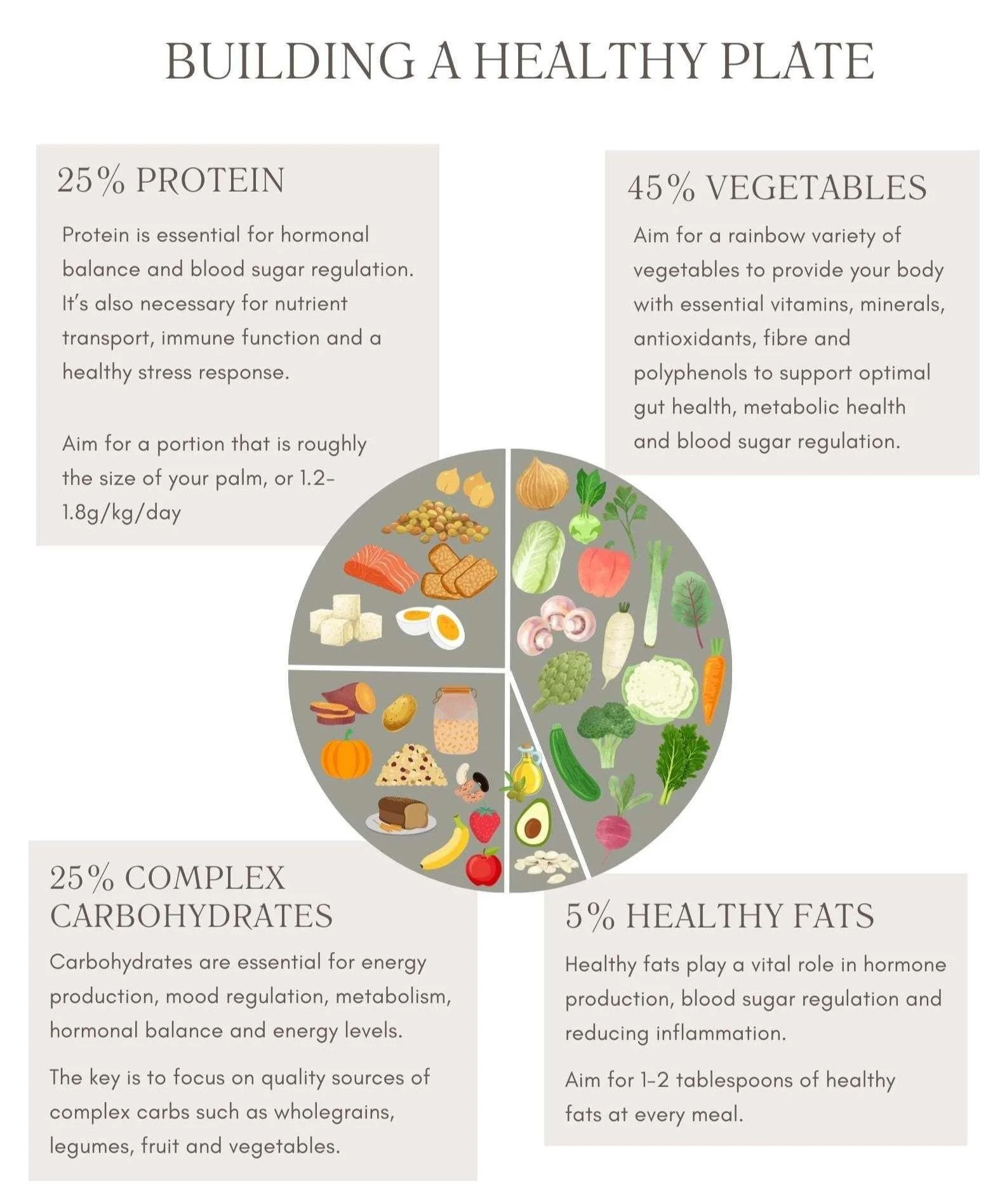
The Modern Plate Formula:
1. Protein First (Non-Negotiable)
Supports satiety, muscle maintenance, and metabolic function
2. Add Vegetables for Volume and Nutrients
Helps with fullness and digestive balance
3. Smart Carbs (Controlled, Not Eliminated)
Provide energy without overwhelming the plate
4. Healthy Fats for Satisfaction
Enhance satiety and improve overall meal experience
What This Looks Like:
Instead of:
Oversized pasta bowl drowning in sauce
Try:
Grilled protein
Smaller portion of carbs
Vegetables that actually take up space
Balanced fats
Same category of food. Completely different physiological response.
Dining Out Without Overdoing It
Restaurants are still catching up. Many menus are designed for appetite, not physiology.

Dr. Dee’s Quick Rules:
You are not required to finish your plate
Order for balance, not just flavor
Split meals or save half
Judge the meal by how you feel after—not just how it tastes
What Restaurants Need to Understand
This isn’t about people eating less. It’s about people needing less to feel satisfied.
GLP-1 research and behavioral studies show a shift toward:
Internal hunger regulation
Reduced impulsive eating
Greater awareness of post-meal effects
That’s a different kind of customer—and a different kind of opportunity.
Final Sip ☕️
Something changed—and it’s not going back. Whether influenced by GLP-1 medications or simply a more informed consumer…
People are no longer chasing fullness. They’re chasing function.
So the real question becomes:
👉 Is your plate built to impress… or built to perform?
About Dr. Dee
Dr. Dee is a Registered Nurse with over 20 years of healthcare experience, specializing in clinical practice, patient care, and health systems.
📚 References
Blundell, J., et al. (2017). Effects of GLP-1 receptor agonists on appetite, energy intake, and food preferences. International Journal of Obesity, 41(5), 713–721.
Nauck, M. A., & Meier, J. J. (2019). Management of endocrine disease: Are all GLP-1 agonists equal in the treatment of type 2 diabetes? European Journal of Endocrinology, 181(6), R211–R234.
Wilding, J. P. H., et al. (2021). Once-weekly semaglutide in adults with overweight or obesity. New England Journal of Medicine, 384(11), 989–1002.
Disclaimer
This article is for informational purposes only and is not intended to treat, diagnose, or replace professional medical advice.
From the Kitchen: Chef David’s Perspective
What Dr. Dee is talking about isn’t a trend—it’s a shift. We’re moving from eating until we’re full… to eating in a way that actually supports how we feel. In the kitchen, that’s always been the goal: balance, intention, and building a plate that works—not just fills space. This isn’t about eating less. It’s about eating smarter.
Because when your meals are built right:
You stay satisfied
Cravings don’t control you
Energy stays consistent
That’s not restriction—that’s structure.
Where Kitchen Studio Fits
This is exactly what I built Kitchen Studio for.
To help you stop guessing and start understanding food, ingredients, how to build meals that actually work—with what you already have.
👉 Cook with intention, clarity and confidence
👉 Build balanced plates
👉 Start understanding what you’re doing—not just following steps
From pantry to plate—that’s where it changes.





Follow Us

A chef’s rule worth wearing.
The Taste It Before You Trust It T-Shirt takes one of the kitchen’s simplest lessons and turns it into a statement. Bold typography paired with a refined editorial accent gives the design a clean, modern look that feels just as good outside the kitchen as it does behind the line.
Finished with subtle Forks247 branding on the sleeve, this tee is made for cooks, food lovers, and anyone who knows the final decision should always come down to flavor.
Detail
Premium unisex fit 100% combed and ring-spun cotton Heather colors contain polyester Fabric weight: 4.2 oz./yd² (142 g/m²) Pre-shrunk fabric Side-seamed construction Shoulder-to-shoulder taping Forks247 sleeve branding Designed for everyday comfort
Taste it. Adjust it. Trust yourself.