Winter Storm Grocery Chaos : Like We’re Preparing for the Apocalypse
Let’s be real: winter storms don’t just bring snow and ice. They bring panic.
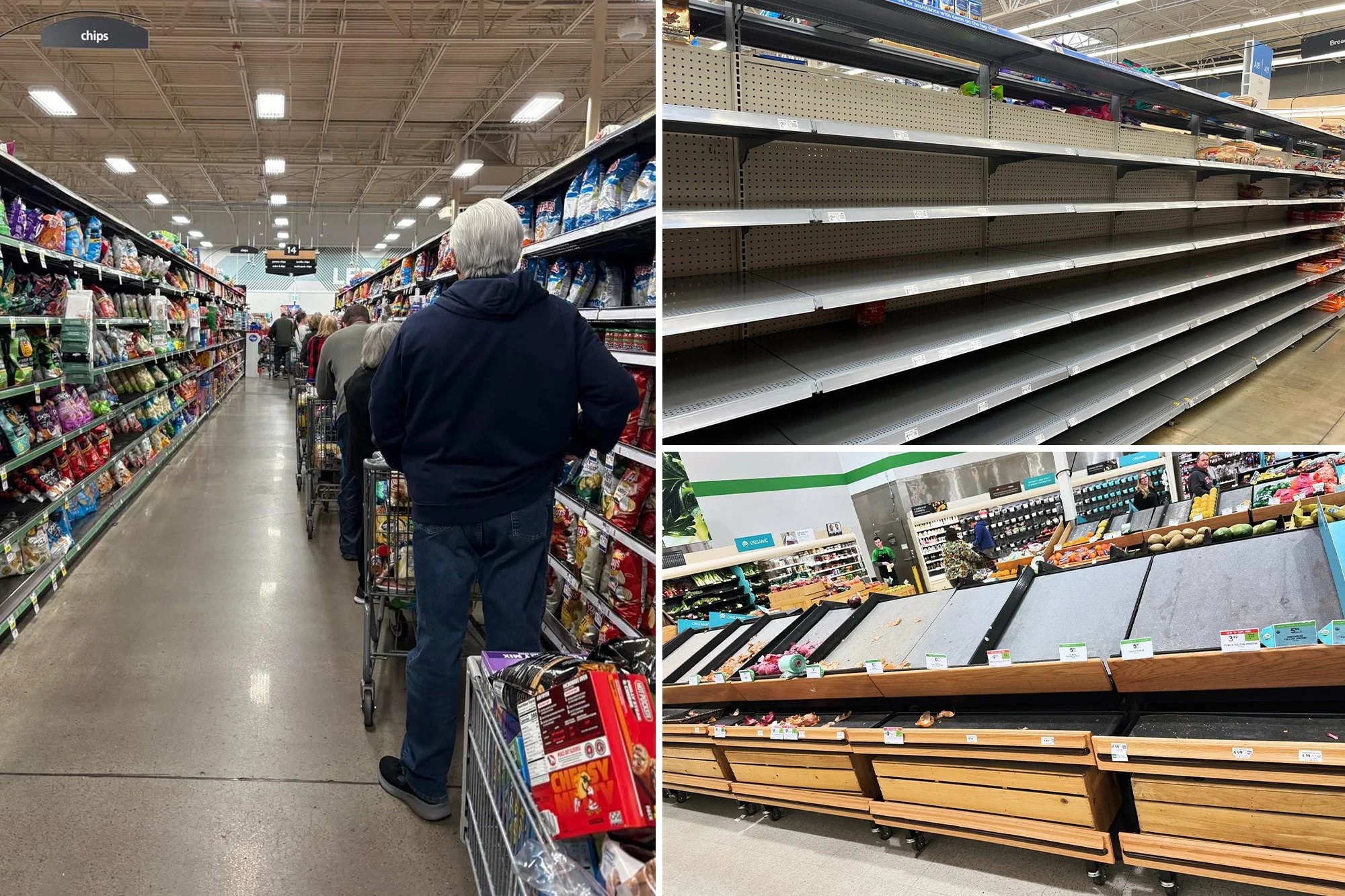
Milk disappears. Bread vanishes. Eggs? A distant memory. Overnight, it seems like the entire country has collectively decided that French Toast is the official currency of survival.
The winter snowstorm of 2026 is shaping up to be that kind of storm—not one that ends the world, but one that temporarily scrambles the systems we rely on. And while it might feel dramatic when you’re staring at an empty dairy case, there’s a very un-dramatic explanation for why your grocery store looks like it’s been gently looted by a well-mannered raccoon.
Let’s break down what’s actually happening—without the doom scrolling.
From Farm to Fork… on Ice 🧊

Our food system is efficient, fast, and surprisingly delicate. It works beautifully—as long as everything keeps moving. Snowstorms ruin that momentum.
Here’s where the slowdown happens:
Farms hit pause.
Animals still need care, but feed deliveries, milk pickups, and egg transport can be delayed. Stored crops are vulnerable if power goes out or temperatures drop too far.
Processing plants feel it next.
If workers can’t safely commute, production slows. Fewer workers means less packaging, less processing, and fewer products ready to ship.
Trucks become the choke point.
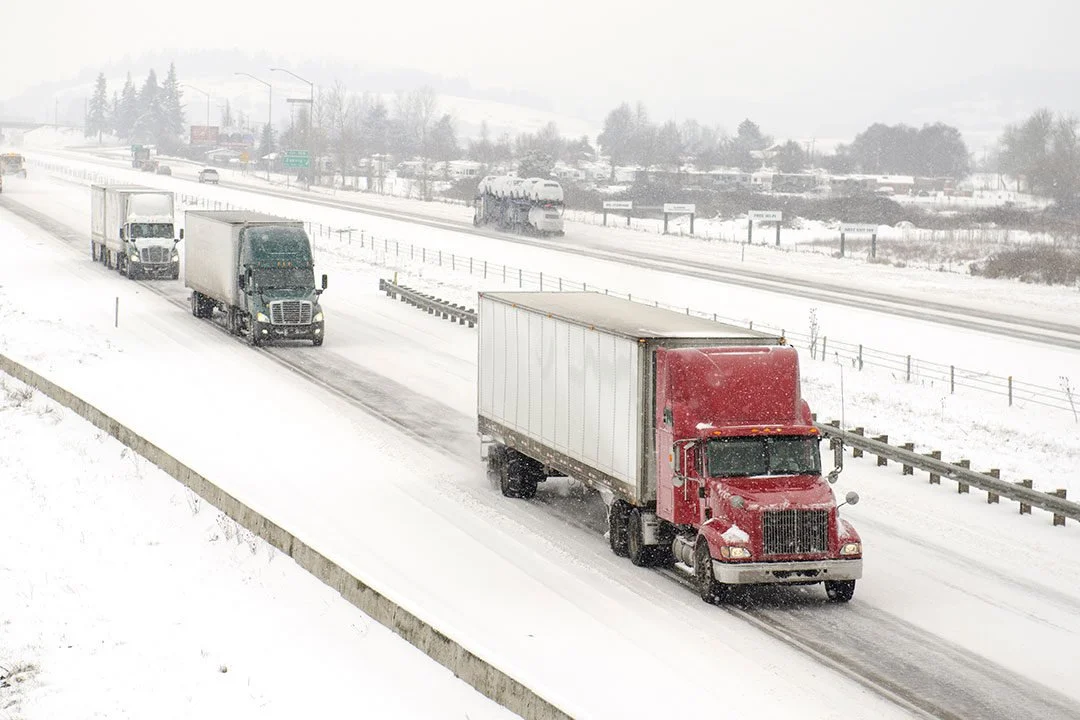
Food doesn’t magically appear on shelves. When highways close or trucking routes are restricted, grocery stores stop getting restocked. Shortages show up fast—even if the food exists somewhere else.
Translation: the food is there. It’s just stuck.
Grocery Stores: Controlled Chaos Under Fluorescent Lights
Most grocery stores run on just-in-time inventory. They don’t keep weeks’ worth of food hidden in the back “just in case.” Space is limited, food is perishable, and efficiency keeps prices (somewhat) reasonable.
When a major storm hits:
Deliveries get delayed or canceled
Restocking schedules collapse
Shoppers buy double what they normally would
Shelves empty faster than staff can explain when the next truck arrives
And no—your store manager isn’t hoarding eggs in a secret bunker. They’re just as frustrated and exhausted as everyone else.
Consumers: Panic Buying vs. Practical Buying
This is where things get… theatrical.
Forecast: 3–6 inches of snow
Response: “We may never eat again.”
What actually helps during winter storms:
Buying shelf-stable foods you’ll realistically eat
Planning simple, flexible meals (soup season never fails)
Remembering that most shortages are temporary, not permanent
What doesn’t help:
Clearing entire freezer sections
Buying 14 gallons of milk with no plan
Treating the last pack of chicken thighs like it’s a championship trophy
Why Prices Sometimes Jump
You might notice higher prices after big storms—especially for produce, eggs, milk, and meat.
That’s often due to:
Transportation delays
Higher fuel and labor costs
Product loss from spoilage
It’s not always price gouging. Sometimes it’s just the cost of keeping food moving through miserable conditions.
The Big Picture (And a Little Perspective)
The winter snowstorm of 2026 is disruptive—but it’s not a food collapse. The system bends. It doesn’t break.
Most shortages resolve in days, not weeks. Roads reopen. Trucks reroute. Shelves refill. And suddenly everyone remembers they still have food at home.
So take a breath. Make a pot of chili. Check on your neighbors. And maybe—just maybe—skip the panic sprint for bread this time.
Because if history has taught us anything, it’s this:
👉 No snowstorm has ever required 8 loaves of bread, 3 dozen eggs and 4 gallons of milk per household.
Stay warm. Stay fed. And cook smart.




Follow Us

A chef’s rule worth wearing.
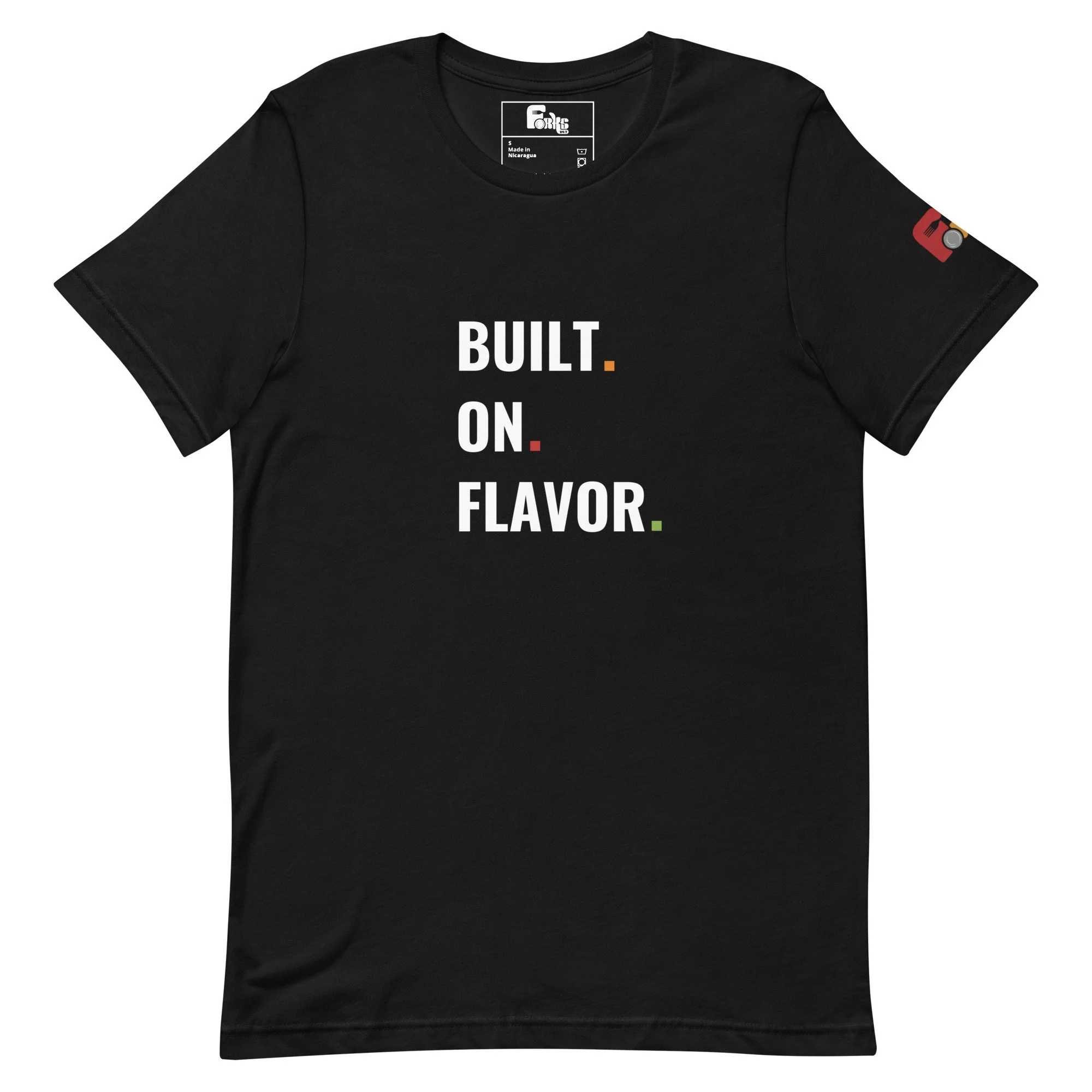
The Taste It Before You Trust It T-Shirt takes one of the kitchen’s simplest lessons and turns it into a statement. Bold typography paired with a refined editorial accent gives the design a clean, modern look that feels just as good outside the kitchen as it does behind the line.
Finished with subtle Forks247 branding on the sleeve, this tee is made for cooks, food lovers, and anyone who knows the final decision should always come down to flavor.
Detail
Premium unisex fit 100% combed and ring-spun cotton Heather colors contain polyester Fabric weight: 4.2 oz./yd² (142 g/m²) Pre-shrunk fabric Side-seamed construction Shoulder-to-shoulder taping Forks247 sleeve branding Designed for everyday comfort
Taste it. Adjust it. Trust yourself.