
Salt Isn’t Just Salt (And Yes, It Matters)
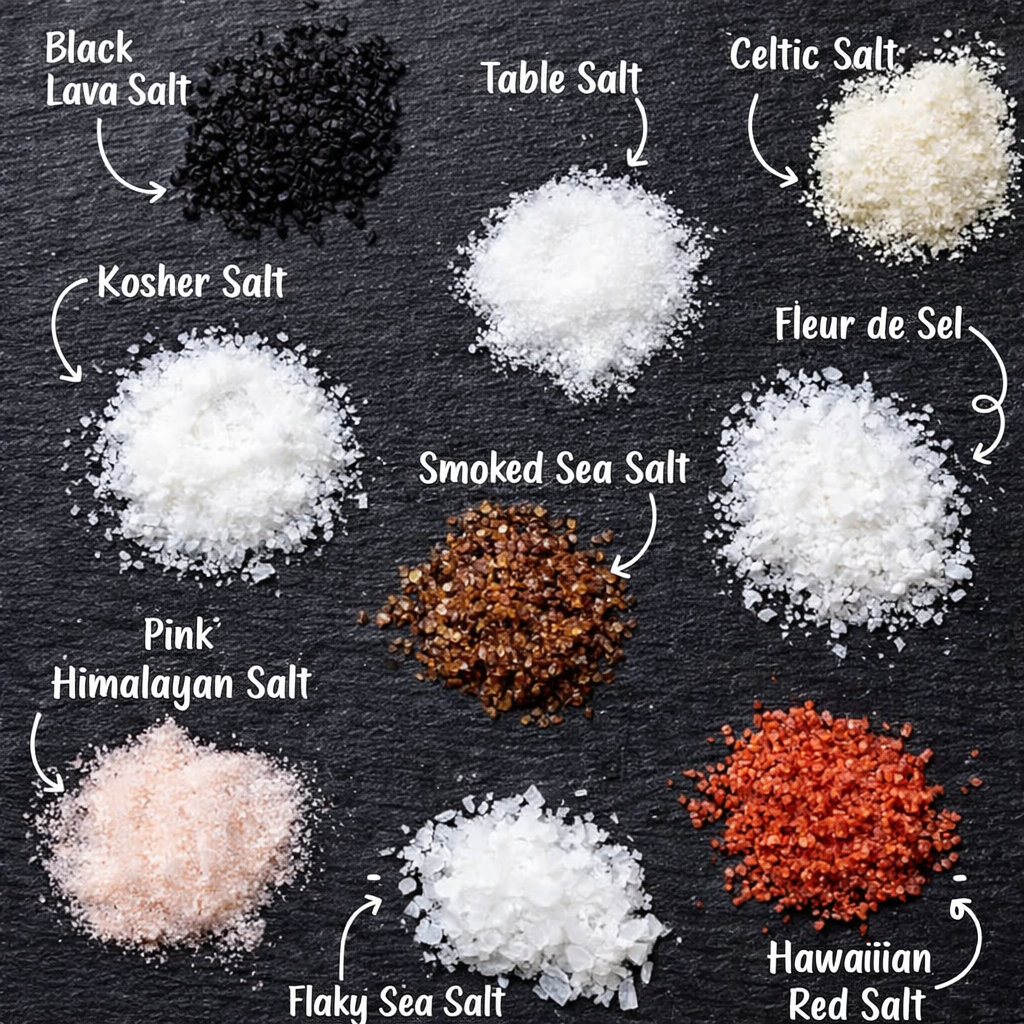
Let’s clear something up right away: salt isn’t just salt.
If you’ve ever stood in a U.S. grocery store aisle staring at table salt, kosher salt, sea salt, pink salt, gray salt, flaky salt—wondering if any of this actually matters—you’re not alone.
As a chef, I can tell you: it matters more than most people realize, and not in a fussy, food-snob way. In a your-food-will-taste-better way.
So let’s break it down—plain, practical, and useful.
Table Salt: The Default Setting
Table salt is what most Americans grew up with. It’s finely ground, dissolves fast, and usually contains iodine—added decades ago to prevent iodine deficiency. It also includes anti-caking agents so it flows freely from the shaker.
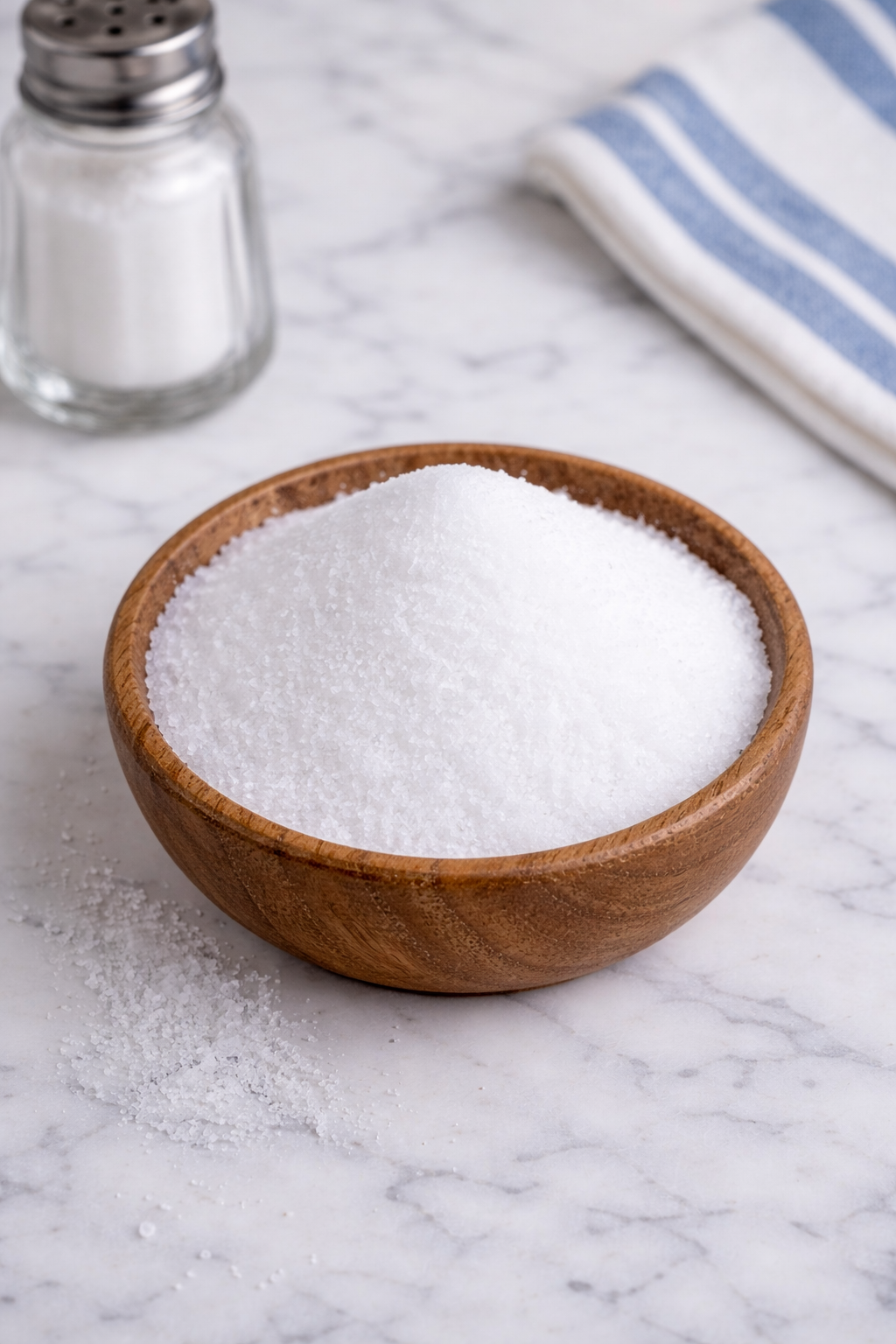
When a standard U.S. recipe simply says “salt,” this is usually what it means.
Best uses:
Baking (precision matters)
Soups and sauces where you want even distribution
Any recipe where consistency is critical
Chef’s note: Because table salt is so fine, it’s easy to overdo it. A little goes a long way.
Kosher Salt: The Chef’s Favorite
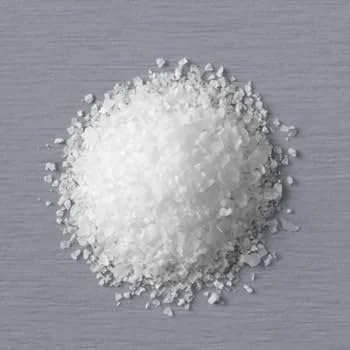
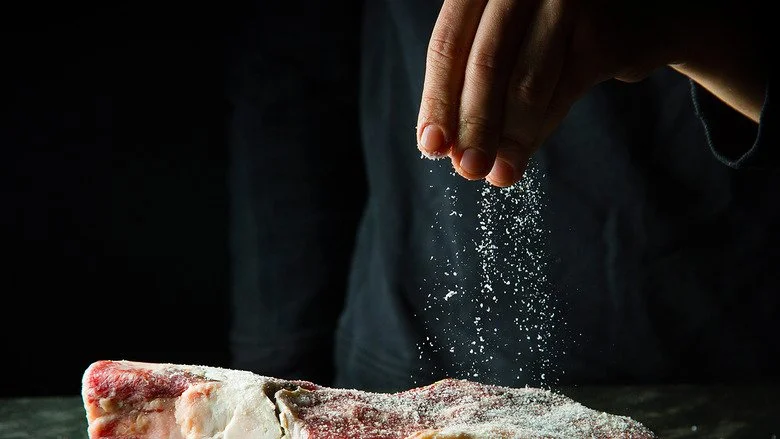
If you’ve ever watched a chef season food by grabbing salt with their fingers and tossing it effortlessly, they’re almost certainly using kosher salt.
Why chefs love it:
Larger crystals = more control
Doesn’t dissolve instantly on your fingers
Easy to pinch, sprinkle, and adjust as you cook
One big misconception: “kosher” doesn’t mean cleaner or religious. The name comes from its traditional use in the koshering process, where salt draws moisture and blood from meat.
Best uses:
Seasoning meat, poultry, and vegetables
Everyday stovetop cooking
Learning how to season confidently by feel
Important heads-up: Different brands have different crystal sizes. Measurements are not always interchangeable with table salt.
Rock Salt: Please Don’t Cook With This
Rock salt is the big, chunky gray stuff you’ll find at hardware stores.
It is not food-grade and not FDA-approved for cooking.
Best uses:
De-icing sidewalks
Ice cream makers (outside the canister)
Not for: Pasta water, seasoning, or anything headed to your plate.
Let’s keep it moving.
Sea Salt: Flavor, Texture, Personality
Sea salt comes from evaporated seawater. Depending on how it’s harvested and processed, it can be fine, coarse, flaky, or chunky—and may contain trace minerals that affect both flavor and color.
Most sea salt used in the U.S. is imported, and this is where salt starts to feel intentional.
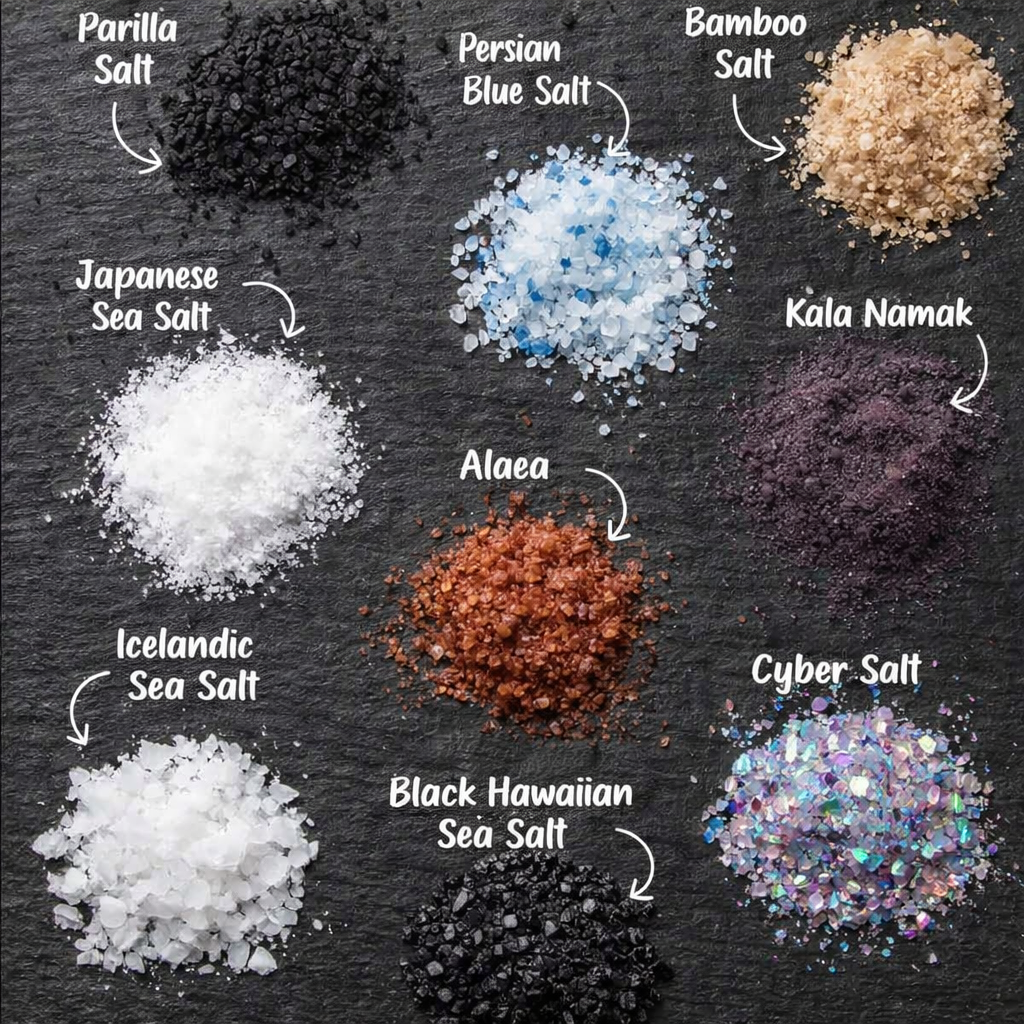
Sea Salts You’ve Probably Seen (or Tasted)
Sel Gris (France) – Gray, mineral-rich, slightly moist
Fleur de Sel – Delicate flakes skimmed from the surface
Maldon (England) – Clean, flaky crystals with a signature crunch
Hawaiian Pink Salt – Earthy, mineral-forward
Black Hawaiian Salt – Infused with activated charcoal
Korean Bamboo Salt – Roasted inside bamboo, deeply savory
These salts are about texture more than saltiness—and that’s the point.
Best uses:
Finishing dishes
Garnishing grilled fish, vegetables, steaks, or tomatoes
Adding crunch and contrast right before serving
Chef’s rule: Sea salt shines after cooking—not during baking or long simmering.
The Biggest Salt Mistake (Don’t Skip This)
You cannot substitute salt measure-for-measure across types.
A teaspoon of table salt is much saltier than a teaspoon of kosher salt. A pinch of flaky sea salt is mostly air and texture. This matters most in baking, where precision isn’t optional.
When in doubt:
Follow the recipe
Taste as you go
Err on the cautious side
You can always add more.
You can’t take it out.
So… Which Salts Should You Actually Keep?
If we simplify your pantry:
Table salt → baking & basics
Kosher salt → everyday cooking
Flaky sea salt → finishing and flexing
That’s it. No need to overcomplicate it—just understand what you’re using and why.
Because once you do, your food stops tasting “fine” and starts tasting intentional.
And that’s the difference between cooking
and cooking with confidence.



Follow Us

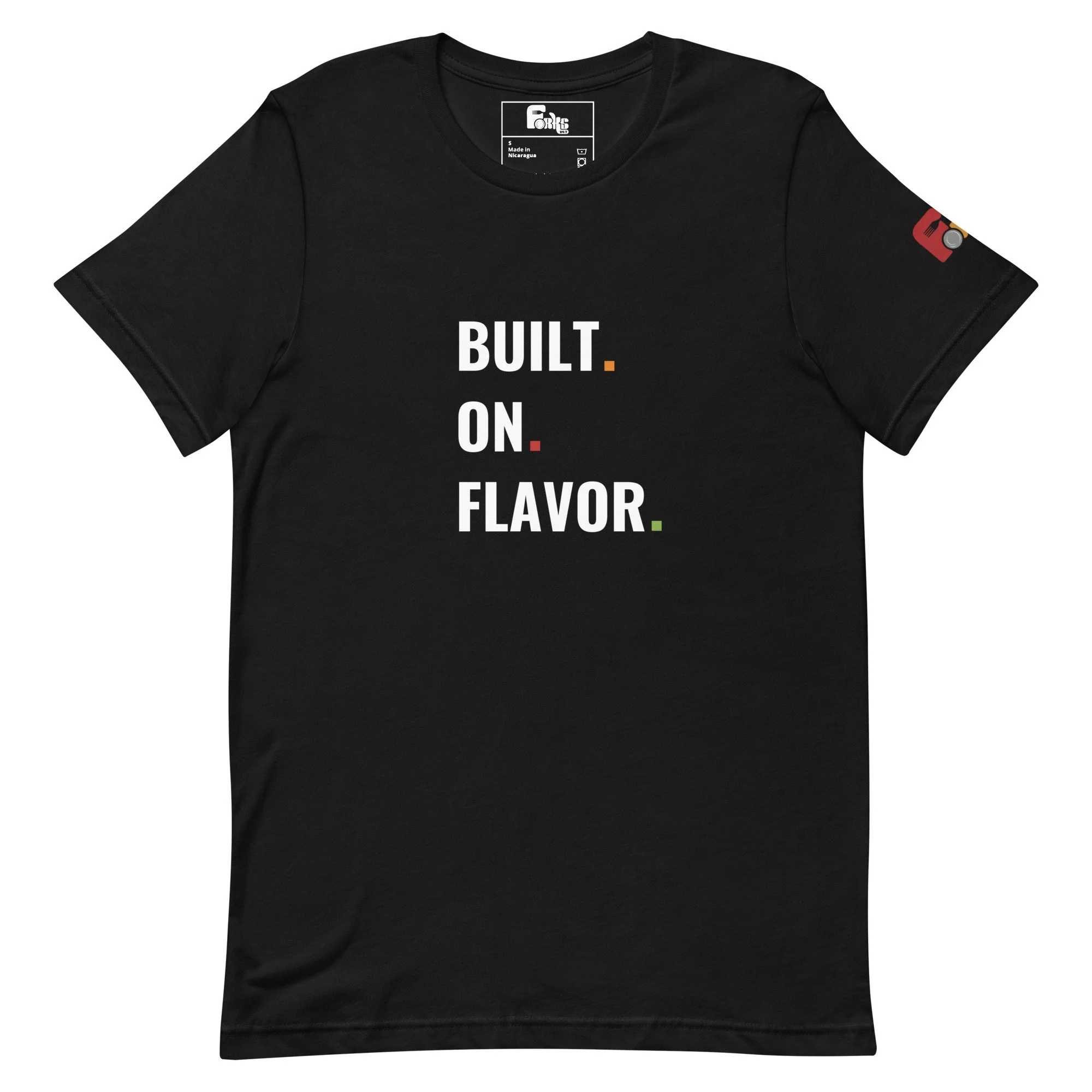
A chef’s rule worth wearing.
The Taste It Before You Trust It T-Shirt takes one of the kitchen’s simplest lessons and turns it into a statement. Bold typography paired with a refined editorial accent gives the design a clean, modern look that feels just as good outside the kitchen as it does behind the line.
Finished with subtle Forks247 branding on the sleeve, this tee is made for cooks, food lovers, and anyone who knows the final decision should always come down to flavor.
Detail
Premium unisex fit 100% combed and ring-spun cotton Heather colors contain polyester Fabric weight: 4.2 oz./yd² (142 g/m²) Pre-shrunk fabric Side-seamed construction Shoulder-to-shoulder taping Forks247 sleeve branding Designed for everyday comfort
Taste it. Adjust it. Trust yourself.