Radical Transparency Is Coming to Your Plate (and Menu): What the FDA’s 2026 Allergen Overhaul Really Means!!!
If you’ve ever stood in a grocery aisle squinting at a label that says “may contain…” and thought, “So… does it or doesn’t it?” — congratulations, you’re not alone. The U.S. Food and Drug Administration has heard that frustration loud and clear. And in 2026, they’re officially shaking the table.
This year marks a major shift in how food allergens are labeled, managed, and communicated. The FDA is calling it “radical transparency.” I call it long overdue clarity for consumers and a wake-up call for the food industry.
Let’s break down what’s changing—and how it’s going to ripple through manufacturers, restaurants, and everyday eaters.
From “May Contain” to “Here’s the Science”
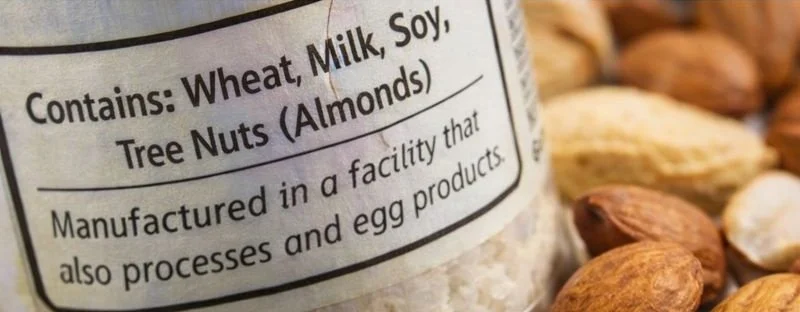
For decades, allergen labeling has been painfully binary:
Contains / May contain / Produced in a facility that also processes…
Translation? Cover your bases and hope for the best.
In 2026, the FDA is moving toward a risk-based framework built on scientific allergen thresholds—actual, measurable levels of allergenic protein that are known to trigger reactions in most people.
What’s happening:
February 18, 2026: Public meeting to establish allergen thresholds
February 19–20, 2026: Listening sessions with industry, scientists, and advocates
This means fewer vague warnings and more evidence-driven labeling. Not every microscopic trace equals danger—and the FDA wants labels to reflect real public-health risk, not legal anxiety.
Gluten Gets the Spotlight (Finally)
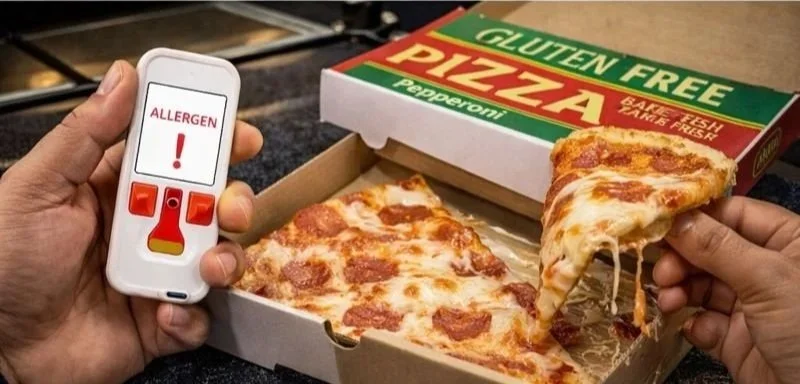
On January 21, 2026, the FDA issued a Request for Information (RFI) focused on:
Gluten labeling
Cross-contact prevention
Transparency for conditions like Celiac disease
This is a big deal. Gluten isn’t just a “diet preference” — it’s a serious medical issue for millions of Americans. The FDA is signaling that ingredients impacting chronic conditions deserve the same transparency as classic allergens.
Translation for the industry: “Gluten-free” is about to mean something very specific—and very provable.
New Allergens, New Rules
The FDA is also rolling out a formal process to evaluate allergens beyond the current “Top 9.” Instead of political pressure or social media panic, new allergens will be assessed using four scientific criteria:
Evidence of IgE-mediated allergy
Prevalence in the U.S. population
Severity of reactions
Allergenic potency
This matters because it creates a clear, science-first pathway for recognizing emerging allergens—without overwhelming consumers with endless warnings.
Expanded Definitions (Yes, This Affects Recipes)
Following guidance finalized in 2025, the FDA expanded what counts as a “major allergen”:
Milk now includes all ruminants (cow, goat, sheep)
Eggs now include all domesticated birds (chicken, duck, goose, quail)
Coconut was officially removed from the major tree nut allergen list (a win for clarity)
For chefs and manufacturers, this means ingredient sourcing matters more than ever. Goat cheese? Duck eggs? You’ll need to be precise—and transparent.
Cross-Contact: Clean Better, Label Smarter

One of the most interesting shifts?
The FDA is discouraging the practice of intentionally adding allergens just to justify a “may contain” label.
Instead, they’re pushing:
Robust sanitation programs
Validated cleaning protocols
Better facility design
In other words: Clean like you mean it—don’t label like you’re guessing.
What This Means for the Food Industry
Restaurants
Ingredient knowledge is no longer optional
Cross-contact prevention becomes a frontline issue
Menus and allergen guides must be accurate, not copy-pasted
This is especially important for independent restaurants. Saying “we can’t guarantee anything” won’t cut it forever.
Manufacturers
Expect higher documentation standards
More testing, fewer blanket warnings
Greater accountability—but also more credibility
What This Means for Consumers?
This is the real win.
Clearer labels
Fewer confusing warnings
Better protection for people with allergies and chronic conditions
You’ll finally know whether a product is actually risky or just legally cautious.
Chef’s Take (You Knew This Was Coming)
As a chef, I love this move. Transparency builds trust. Trust builds loyalty. And loyalty keeps people coming back to your table.
Yes, it means more work behind the scenes. But if your food is solid, your kitchen is clean, and your sourcing is honest—this shift works for you, not against you.
Because “radical transparency” isn’t radical at all.
It’s just good food safety—served without the mystery.
And honestly? That’s a label I can stand behind.



Follow Us

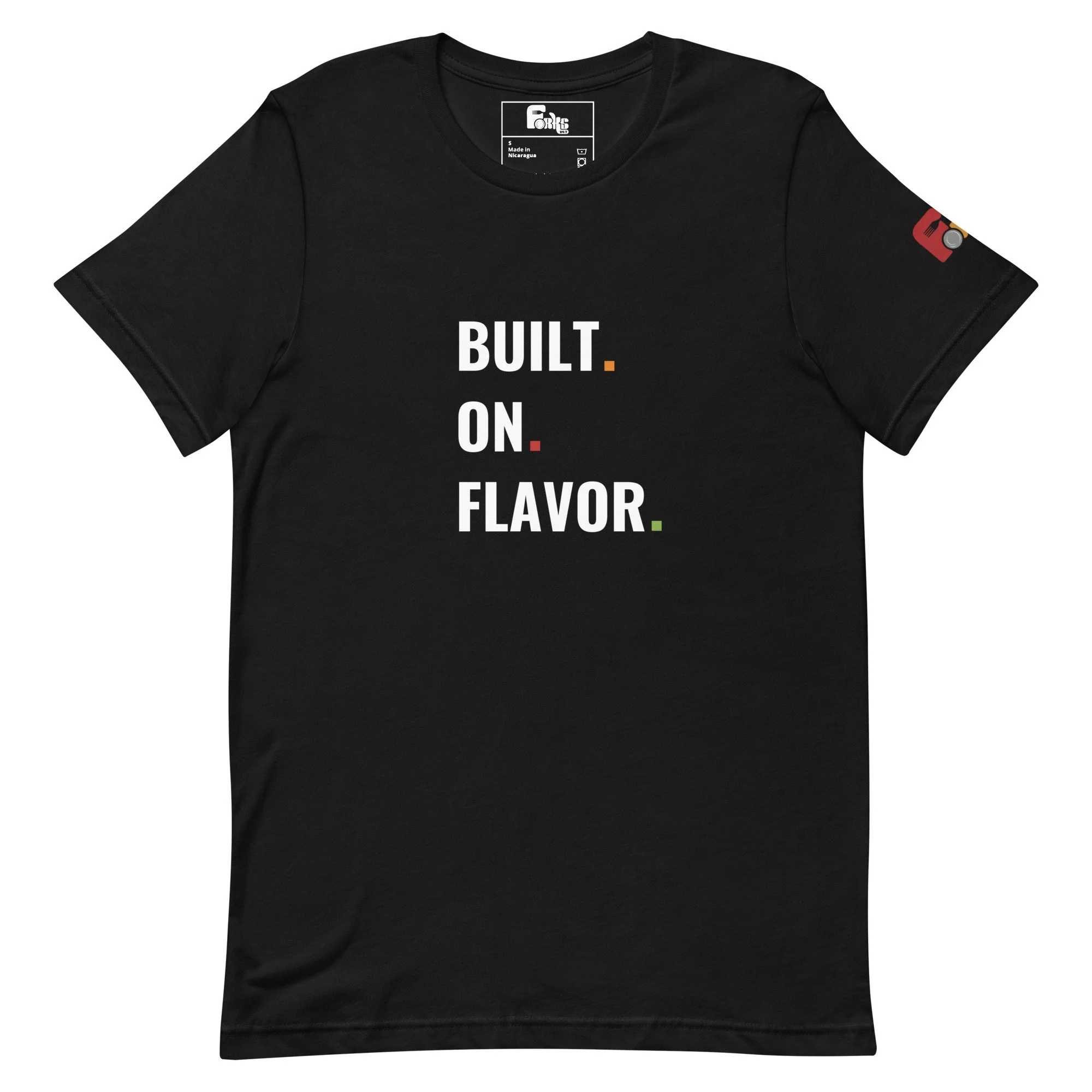
A chef’s rule worth wearing.
The Taste It Before You Trust It T-Shirt takes one of the kitchen’s simplest lessons and turns it into a statement. Bold typography paired with a refined editorial accent gives the design a clean, modern look that feels just as good outside the kitchen as it does behind the line.
Finished with subtle Forks247 branding on the sleeve, this tee is made for cooks, food lovers, and anyone who knows the final decision should always come down to flavor.
Detail
Premium unisex fit 100% combed and ring-spun cotton Heather colors contain polyester Fabric weight: 4.2 oz./yd² (142 g/m²) Pre-shrunk fabric Side-seamed construction Shoulder-to-shoulder taping Forks247 sleeve branding Designed for everyday comfort
Taste it. Adjust it. Trust yourself.