Cook Smarter, Not Harder: How to Turn What’s in Your Kitchen Into a Meal Worth Talking About
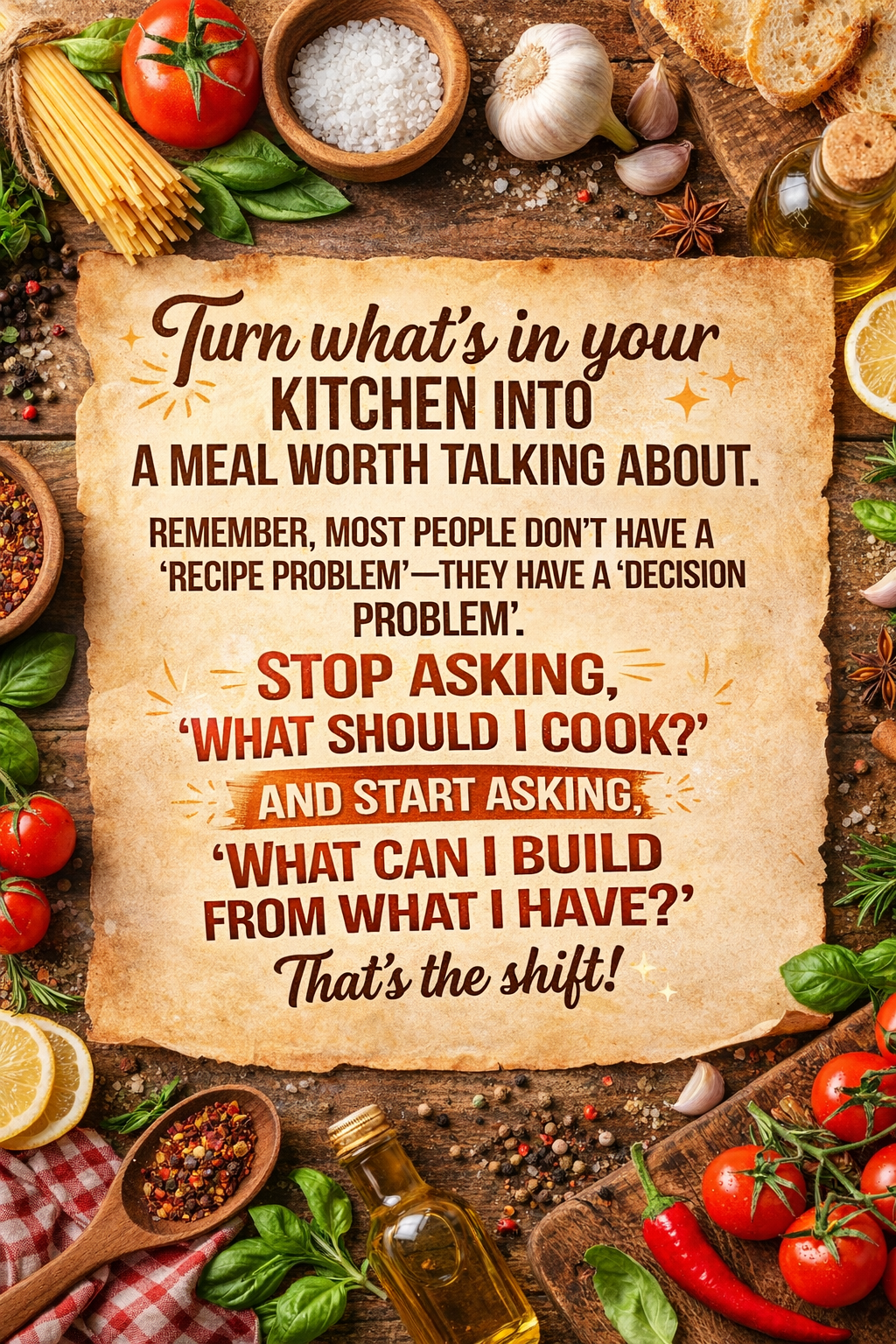
Let me say this straight—most people don’t have a “recipe problem.”
They’ve got a decision problem.
You open the fridge… chicken, half an onion, maybe some rice, a sauce you forgot you bought—and suddenly it feels like you’ve got nothing.
But here’s the truth from a chef who’s been doing this for years:
You don’t need more ingredients. You need a better approach.
This is where cooking shifts from following recipes…
to actually understanding how to build a meal.
From Pantry to Plate (The Real Skill Nobody Talks About)
Cooking isn’t about memorizing recipes—it’s about recognizing patterns.
Every great meal is built on a few simple foundations:
Protein (chicken, shrimp, beans, eggs)
Base (rice, pasta, potatoes, bread)
Vegetable or texture (onions, peppers, greens, corn)
Flavor drivers (salt, acid, fat, spice)
That’s it. Once you understand that, your kitchen stops being random…and starts becoming a system.
How Chefs Actually Think (And Why It Matters)
When I walk into a kitchen, I’m not asking: “What recipe am I making?”
I’m asking: “What can this turn into?”
That chicken in your fridge could become:
A quick skillet garlic chicken
A taco filling
A rice bowl
A creamy pasta
A stir-fry
Same ingredient. Completely different meals.
The difference? Technique + flavor direction.
The 3-Step Method to Cook Anything (Yes, Anything)
1. Start with Your Base
What’s holding the dish together?
Rice, pasta, potatoes—this gives structure.
2. Build Flavor in Layers
Season early
Cook aromatics (onion, garlic, spices)
Add fat for depth
Finish with acid (lemon, vinegar)
3. Finish Like a Chef
This is where most home cooks miss:
Fresh herbs
A squeeze of citrus
A drizzle of oil
A pinch of flaky salt
That last 10%? That’s what makes people say: “This is actually really good.”
Why This Matters (Especially Right Now)
Groceries aren’t cheap. Time isn’t unlimited. And nobody wants to make three trips to the store for one meal.
Learning how to cook with what you already have isn’t just convenient— it’s powerful.
It means:
Less waste
More creativity
Better meals without overthinking it
Chef’s Takeaway
If you remember nothing else from this:
Stop asking:“What should I cook?”
Start asking:“What can I build from what I have?”
That’s the shift.
That’s the skill.
That’s how you start cooking like a chef—right in your own kitchen.
Take It Further in Kitchen Studio
Reading this is one thing… but cooking this way every day? That’s where the shift happens.
If this resonated with you—the way simple ingredients turned into something intentional, balanced, and actually exciting to eat—then you’re not just following recipes anymore, but ready to learn the fundamentals of cooking with confidence. Kitchen Studio is for you.
Inside Kitchen Studio , you don’t just follow recipes. You learn how to “think like a chef in your own kitchen.”
Turn the ingredients you already have into curated meals
Explore flavor-building foundations that actually stick
Get guided ideas based on what’s in your pantry—no guesswork
This is how you go from “what should I cook?” to “I know exactly what to make.”
Step into Kitchen Studio start cooking smarter. Meal After Meal





Follow Us

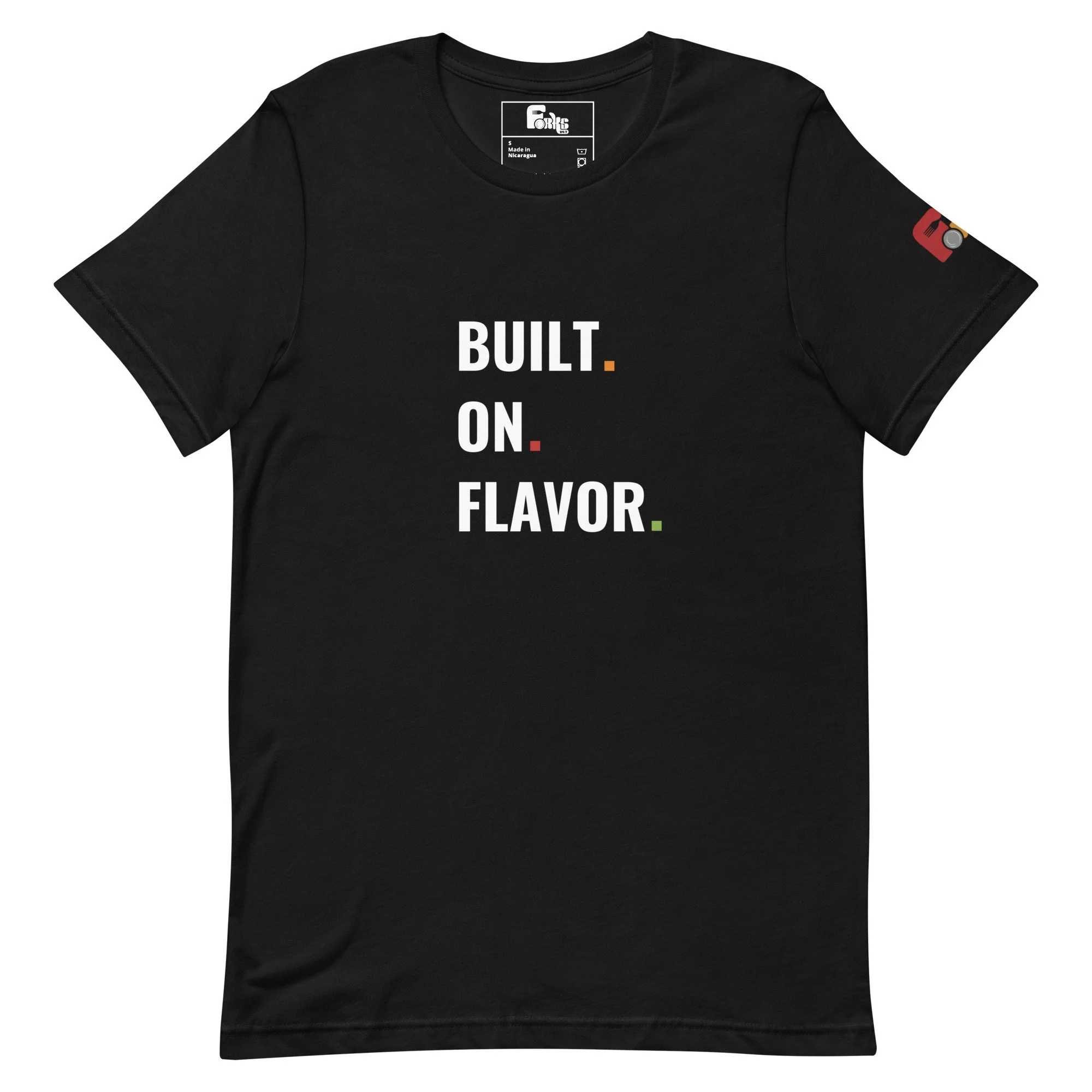
A chef’s rule worth wearing.
The Taste It Before You Trust It T-Shirt takes one of the kitchen’s simplest lessons and turns it into a statement. Bold typography paired with a refined editorial accent gives the design a clean, modern look that feels just as good outside the kitchen as it does behind the line.
Finished with subtle Forks247 branding on the sleeve, this tee is made for cooks, food lovers, and anyone who knows the final decision should always come down to flavor.
Detail
Premium unisex fit 100% combed and ring-spun cotton Heather colors contain polyester Fabric weight: 4.2 oz./yd² (142 g/m²) Pre-shrunk fabric Side-seamed construction Shoulder-to-shoulder taping Forks247 sleeve branding Designed for everyday comfort
Taste it. Adjust it. Trust yourself.