Pan-Seared Duck Breast with Shallot–Port Reduction & Herbed Potato Parsnip Purée
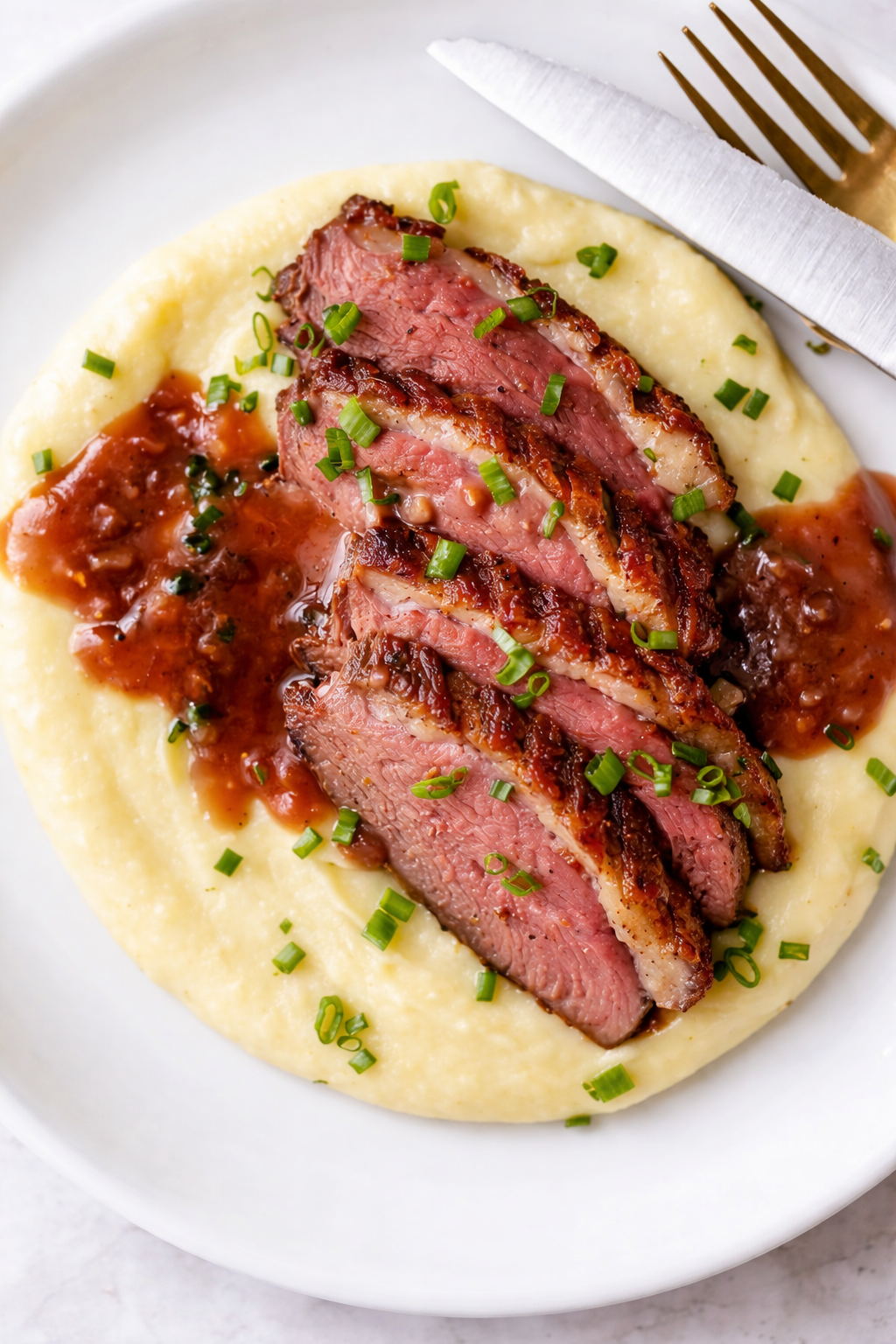
This dish is a masterclass in texture and fat management. By starting the duck in a cold pan, we ensure the subcutaneous fat renders completely, resulting in glass-crisp skin that contrasts the silkiness of the parsnip purée. The reduction provides the necessary acidity and depth to cut through the richness, while the orange zest acts as the bridge between the earthy root vegetables and the decadent protein.
Prep Time: 15 mins | Cook Time: 25 mins | Total Time: 40 mins | Serves: 4
Ingredients
Duck & Sauce
2 large duck breasts (≈1 lb), skin scored in a crosshatch pattern
1 tbsp olive oil
2 large shallots, finely minced
3 cloves garlic, minced
½ cup beef stock
¼ cup port wine (or pomegranate juice)
1 tbsp cold unsalted butter
1 tsp kosher salt
½ tsp cracked black pepper
1 tbsp fresh Italian parsley, finely chopped (garnish)
½ tsp orange zest (garnish)
Parsnip Purée
1 lb parsnips, peeled and chopped
1 large Yukon Gold potato, peeled and chopped
2 cups whole milk
3 sprigs fresh thyme
2 tbsp unsalted butter
½ tsp garlic powder
Salt, to taste
Method
Simmer the Roots: In a medium pot, combine parsnips, potato, milk, and thyme. Simmer over medium heat until fork-tender, approximately 20 minutes.
Render the Duck (Cold Pan Start): Season duck generously with salt and pepper. Place skin-side down in a cold stainless steel or cast-iron skillet; turn heat to medium-low. This allows the fat to render slowly without burning the skin. Cook for 8–10 minutes until the skin is deeply golden and crisp.
Sear & Rest: Increase heat to medium. Flip the breast and cook for 3–4 minutes for medium-rare (internal temp of 130°F/54°C). Remove from the pan and let rest on a cutting board for at least 8 minutes.
Build the Reduction: Pour off all but 1 tablespoon of the rendered duck fat (save the rest for roasting potatoes later). Sauté shallots until translucent; add garlic and cook for 1 minute until fragrant.
Deglaze & Finish: Add port wine and beef stock, scraping the bottom of the pan to release the fond. Reduce the liquid by half. Remove from heat and whisk in the cold butter to emulsify into a glossy sauce.
Purée: Drain the vegetables and discard the thyme sprigs. Mash or use an immersion blender with butter and garlic powder until perfectly silky. Season with salt to taste.
Plate: Spoon a generous bed of purée onto each plate. Slice the duck on a bias, fan it over the purée, and drizzle with the shallot-port reduction.
Brighten: Finish with a sprinkle of fresh parsley and the orange zest.
Chef Notes
“Scoring the duck skin is critical—cut through the fat but be careful not to nick the meat. This creates more surface area for rendering and prevents the breast from curling. When emulsifying your sauce, the butter must be ice-cold; this creates a stable suspension that gives the sauce a professional, velvet finish.”
Did You Know?
Parsnips were used as a sweetener in Europe before cane sugar became widely available. Their natural sugars caramelize beautifully when simmered in milk, which is why they pair so effectively with the slightly sweet, fortified notes of a Port reduction.
Flavor Notes
The success of this dish lies in the Fat-Acid-Earth balance. The rendered duck fat provides a heavy, savory richness that is immediately cut by the sharp acidity and tannins of the Port reduction. The parsnips offer an earthy sweetness that grounds the plate, while the orange zest provides a high-note aromatic finish that lifts the heavier flavors of the beef stock and shallots.



Follow Us

A chef’s rule worth wearing.
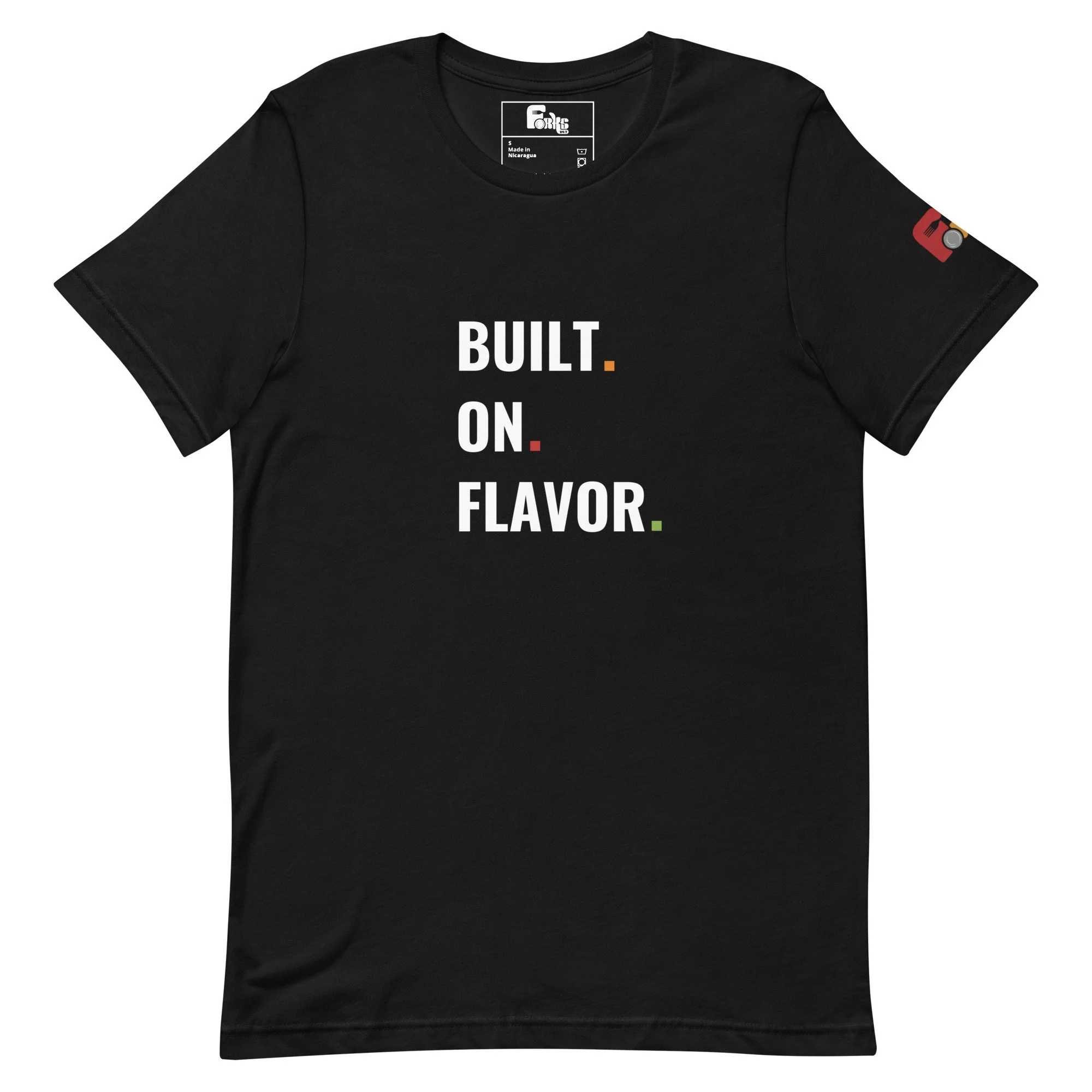
The Taste It Before You Trust It T-Shirt takes one of the kitchen’s simplest lessons and turns it into a statement. Bold typography paired with a refined editorial accent gives the design a clean, modern look that feels just as good outside the kitchen as it does behind the line.
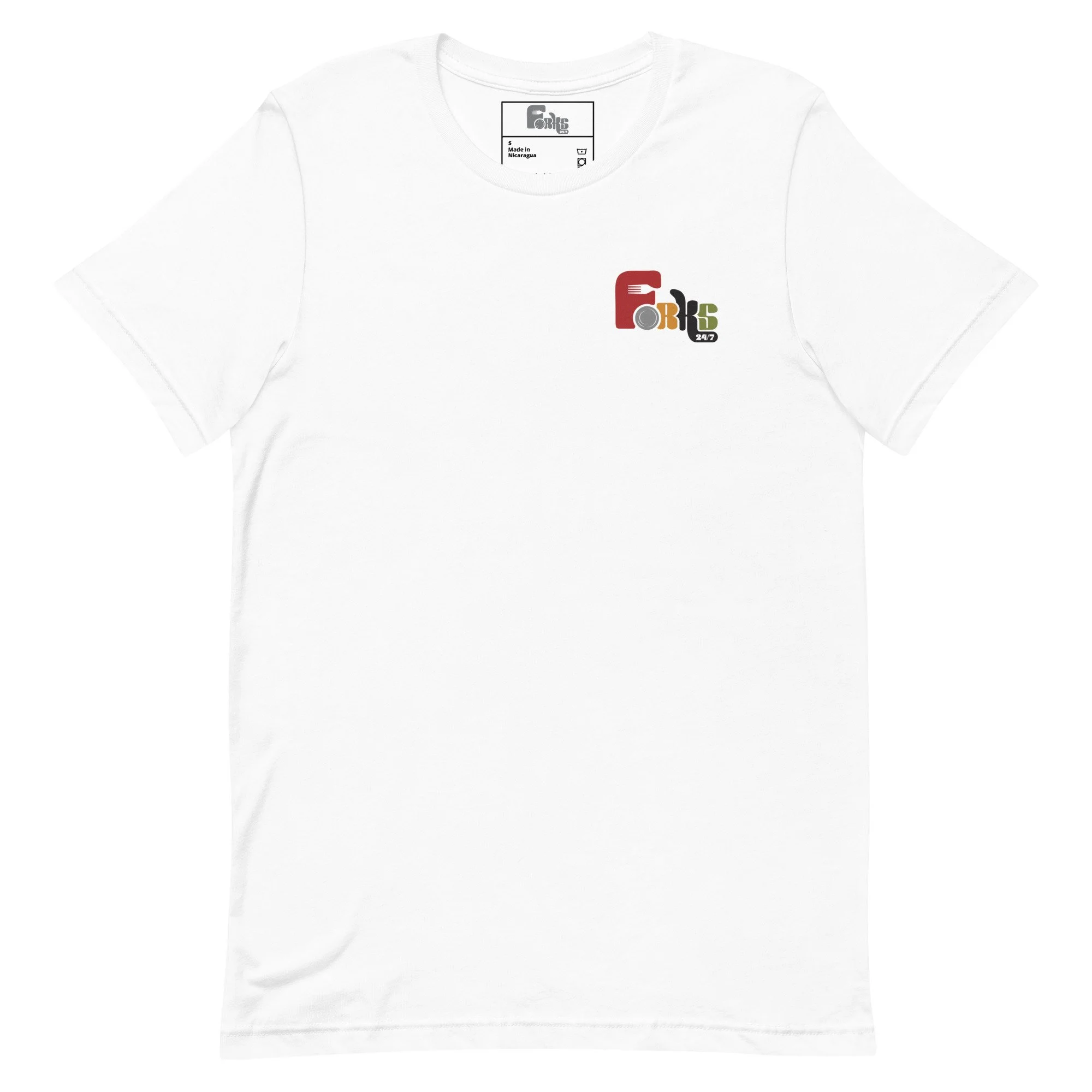
Finished with subtle Forks247 branding on the sleeve, this tee is made for cooks, food lovers, and anyone who knows the final decision should always come down to flavor.
Detail
Premium unisex fit 100% combed and ring-spun cotton Heather colors contain polyester Fabric weight: 4.2 oz./yd² (142 g/m²) Pre-shrunk fabric Side-seamed construction Shoulder-to-shoulder taping Forks247 sleeve branding Designed for everyday comfort
Taste it. Adjust it. Trust yourself.