Charred Poblano Guacamole
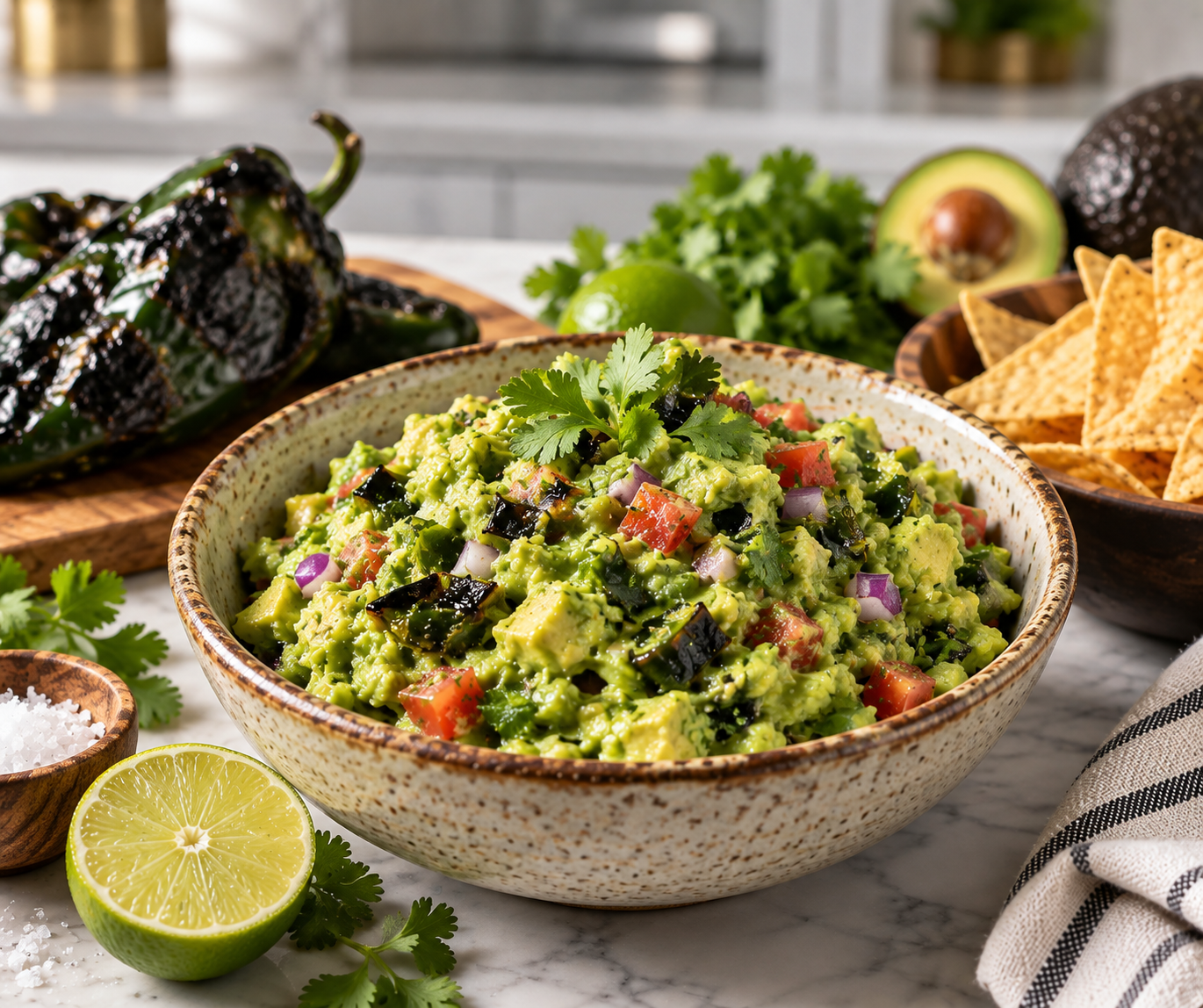
Guacamole doesn't need much help. Good avocados, fresh lime, salt, and a little heat can pretty much handle the job. But charring a poblano changes the conversation. The pepper brings a smoky, slightly sweet flavor without turning the bowl into a five-alarm situation. Add fresh jalapeño for controlled heat, red onion for crunch, cilantro for freshness, and enough lime to keep everything bright. The important part? Don't mash it into green paste. Guacamole should still have some avocado left in it.
Ingredients
Mise en Place — prep before you cook
- 3 large ripe Hass avocados
- 1 medium poblano pepper
- 1/4 cup finely diced red onion
- 1 small jalapeño, seeded and finely minced
- 1/4 cup chopped fresh cilantro
- 2 tablespoons fresh lime juice, plus more as needed
- 1 small garlic clove, finely grated
- 1/2 teaspoon ground cumin
- 1/2 teaspoon kosher salt, plus more to taste
- 1/4 teaspoon freshly ground black pepper
- 1 Roma tomato, seeded and finely diced, optional
- Extra cilantro and lime wedges, for serving
Method
Follow each step for the best flavor and texture.
-
Char the poblano. Place the poblano directly over a gas flame or under a hot broiler. Turn occasionally until the skin is blistered and deeply charred on all sides, about 5–8 minutes.
-
Steam and peel. Transfer the hot poblano to a bowl and cover for about 5 minutes. Peel away the loose charred skin, remove the stem and seeds, then finely dice the pepper. Don't worry about removing every speck of char—a little of it is exactly what we're after.
-
Build the flavor base. Add the red onion, jalapeño, cilantro, lime juice, garlic, cumin, salt, and black pepper to a mixing bowl. Stir and let it sit for 2–3 minutes. This gives the lime and salt a chance to soften the sharper flavors before the avocado joins the party.
-
Add the avocado. Halve and pit the avocados, scoop the flesh into the bowl, and gently mash with a fork. Leave plenty of small chunks for texture.
-
Fold in the poblano. Add the diced charred poblano and optional tomato. Fold gently until everything is evenly distributed without overworking the avocado.
-
Taste before you trust it. Add more salt or lime as needed. The finished guacamole should taste creamy first, smoky second, with enough acidity to keep it from feeling heavy.
-
Serve. Garnish with cilantro and serve immediately with tortilla chips, tacos, grilled meats, burgers, or roasted vegetables.
Chef Notes
Choose the right avocado. It should yield slightly
when gently pressed but shouldn't feel soft or hollow. If your thumb
disappears into it, we've gone too far.
Don't skip the char. That's what separates this
from standard guacamole. You're not simply cooking the poblano;
you're developing sweetness and smoky depth through high heat.
Control the heat. Poblano peppers are relatively
mild. The jalapeño is doing most of the spicy work here, so leave
some seeds and membrane if you want more heat or remove them for
a milder version.
Make it close to serving time. Lime slows browning
but doesn't stop it forever. If you need to hold the guacamole,
press plastic wrap directly against the surface and refrigerate.
Did You Know?
Guacamole dates back centuries to Mesoamerica, where avocados were
cultivated long before the modern versions of the dish appeared.
What started as a simple preparation built around mashed avocado
has evolved into countless regional and personal variations.
And that's probably how it should be.
The avocado is the foundation. Everything else should make it taste
more like itself, not bury it.
Flavor Notes
Creamy: ripe avocado
Smoky: charred poblano
Bright: fresh lime
Fresh: cilantro
Heat: jalapeño
Savory: garlic and cumin
Crunch: red onion
Chef David's Rule: If the first thing you taste is
lime, jalapeño, garlic, or cumin instead of avocado, you've added
too much. Guacamole is still supposed to taste like guacamole.
Learn the Why Behind the Recipe.
Kitchen Studio goes beyond following instructions. Build stronger cooking instincts through Meal After Meal Foundations, including 100 Core Culinary Labs designed to help you understand flavor, technique, and how to cook with confidence.
A Quick Note from Chef David
One thing I always tell cooks is this:
Recipes teach you what to cook. Foundations teach you how to cook.
That’s why I created Kitchen Studio.
It’s a place where I break down the real cooking principles behind the recipes you see here on Forks24/7—things like seasoning, flavor balance, and building meals that actually work. Explore the Meal After Meal Foundations inside Kitchen Studio.
If you're interested in learning the deeper side of cooking and want to cook with moreconfidence, I invite you to take a look.
Visit Kitchen Studio →




Follow Us

A chef’s rule worth wearing.
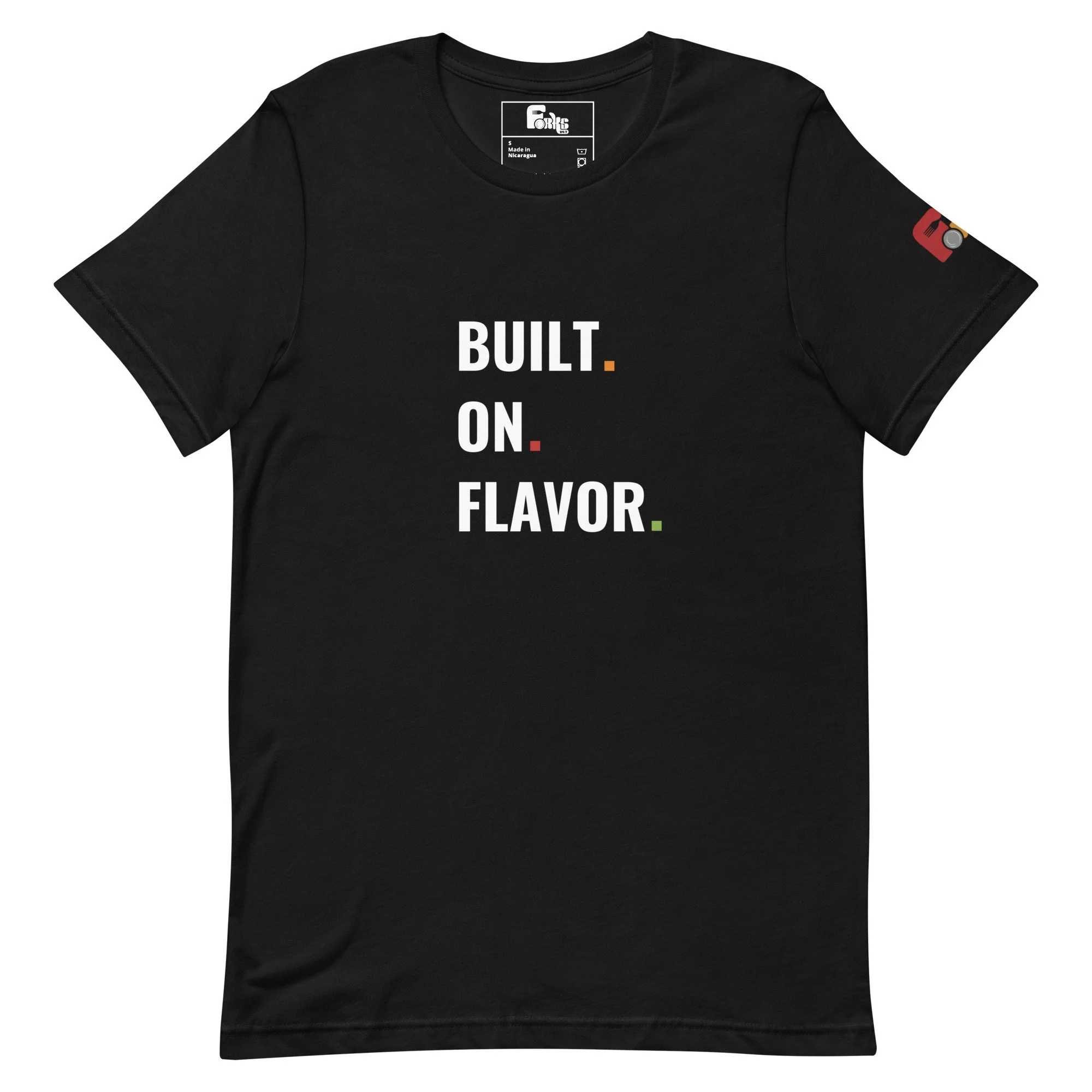
The Taste It Before You Trust It T-Shirt takes one of the kitchen’s simplest lessons and turns it into a statement. Bold typography paired with a refined editorial accent gives the design a clean, modern look that feels just as good outside the kitchen as it does behind the line.
Finished with subtle Forks247 branding on the sleeve, this tee is made for cooks, food lovers, and anyone who knows the final decision should always come down to flavor.
Detail
Premium unisex fit 100% combed and ring-spun cotton Heather colors contain polyester Fabric weight: 4.2 oz./yd² (142 g/m²) Pre-shrunk fabric Side-seamed construction Shoulder-to-shoulder taping Forks247 sleeve branding Designed for everyday comfort
Taste it. Adjust it. Trust yourself.