Butter: The Baker’s Best Friend (Says the Chef Who Can Bake… But Isn’t a Baker)
Let me start with a confession.
I’m a chef. I can bake.
But I am not a baker.
Bakers live by grams, temperatures, and emotional support sticks of butter. Chefs? We vibe. We season “until it feels right.” Bakers measure butter like it’s a controlled substance.
And yet—this is where I bow respectfully—butter runs the bakery.
If flour is the structure and sugar is the charm, butter is the magic. It’s flavor, tenderness, flake, moisture, and yes… drama. Especially when it melts at just the wrong (or right) moment.
Let’s talk about why butter matters so much in baking, how different butters behave, and why biscuits are basically just butter wearing a flour jacket.
Why Butter Is Non-Negotiable in Baking
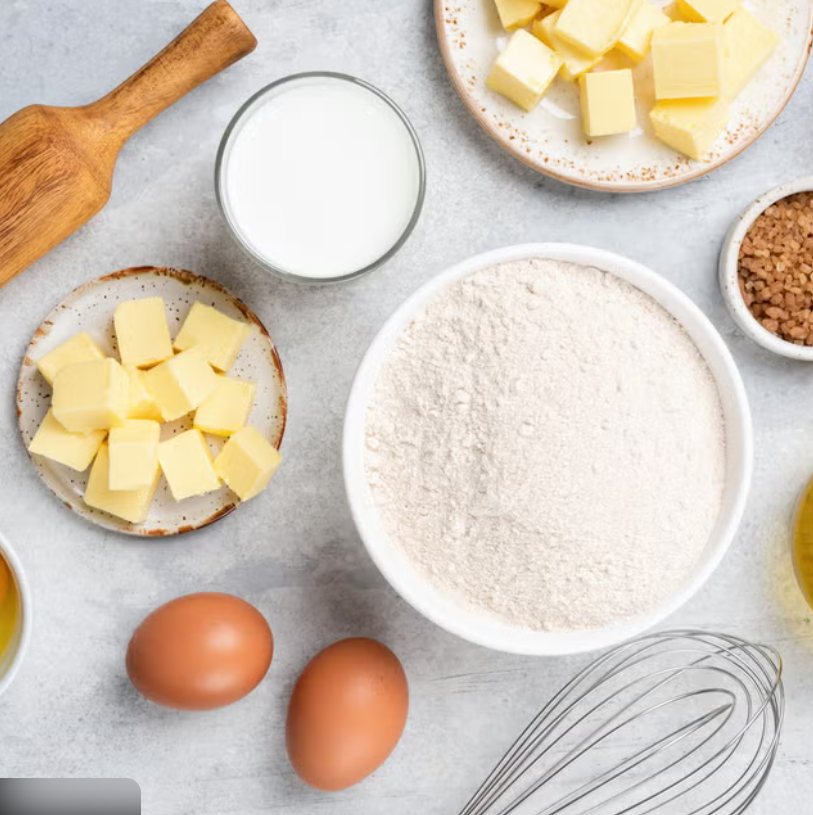
Butter does a lot more than make things taste good (though that alone earns it a standing ovation).
In baking, butter controls:
Texture – tender vs. tough, flaky vs. dense
Structure – how dough rises, spreads, or holds shape
Flavor – unmistakable richness you can’t fake
Steam power – yes, butter literally helps baked goods rise
When butter melts in the oven, the water inside it turns to steam. That steam expands and pushes dough apart, creating layers and pockets. When the fat melts away, it leaves behind space. That’s flake. That’s lift. That’s the good stuff.
Which brings us to biscuits—the clearest example of butter doing the most.
PRO TIP! (This Is Where Butter Shows Off)
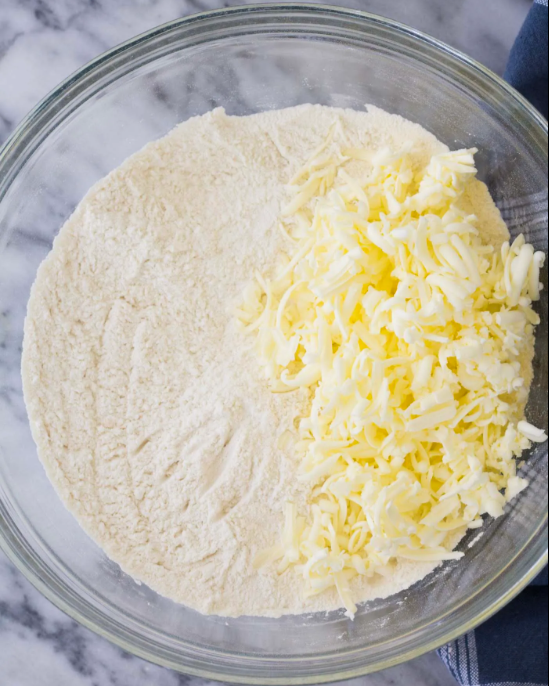
These flaky pockets in biscuits are created by butter. Yep, butter really is a baker's best friend!
The butter in biscuits creates steam and pushes the layers up while melting away to leave a space.
👉 The bigger the pieces of butter, the more layers.
This is why cold (or frozen) butter matters. Warm butter blends in. Cold butter stays distinct, then performs its steamy little magic act in the oven.
Not All Butter Is the Same (And Bakers Know It)
“Here’s where bakers get serious—and where I, as a chef, quietly take notes.”
🧂 Salted Butter
Flavor-forward, slightly chaotic.
Salt content varies by brand
Great for spreading, finishing, savory baking
Risky for precise baking unless you adjust the salt
I love salted butter on toast. Bakers? They side-eye it in recipes.
🧈 Unsalted Butter
The baker’s default.
No added salt = total control
Consistent flavor and performance
Ideal for cakes, cookies, biscuits, pastries
If a baker trusts one butter blindly, it’s unsalted.
🧈 Cultured Butter
Butter with opinions.
Slight tang from fermentation
Incredible flavor in simple baked goods
Best when butter is the star, not the background
Biscuits. Shortbread. Toast. This butter deserves attention.
🐄 European-Style Butter
Higher fat, lower water, richer results.
More butterfat = more tenderness
Less water = tighter crumb, richer flavor
Perfect for laminated doughs and pastries
This is luxury butter. It knows it’s expensive and behaves accordingly.
Why Bakers Obsess Over Cold Butter (And They’re Right)
Warm butter:
Blends too easily
Loses structure
Makes dough dense and sad
Cold butter:
Stays solid longer
Creates steam pockets
Produces flake instead of crumble
If a baker tells you to chill something, they’re not being dramatic. They’re protecting the butter.
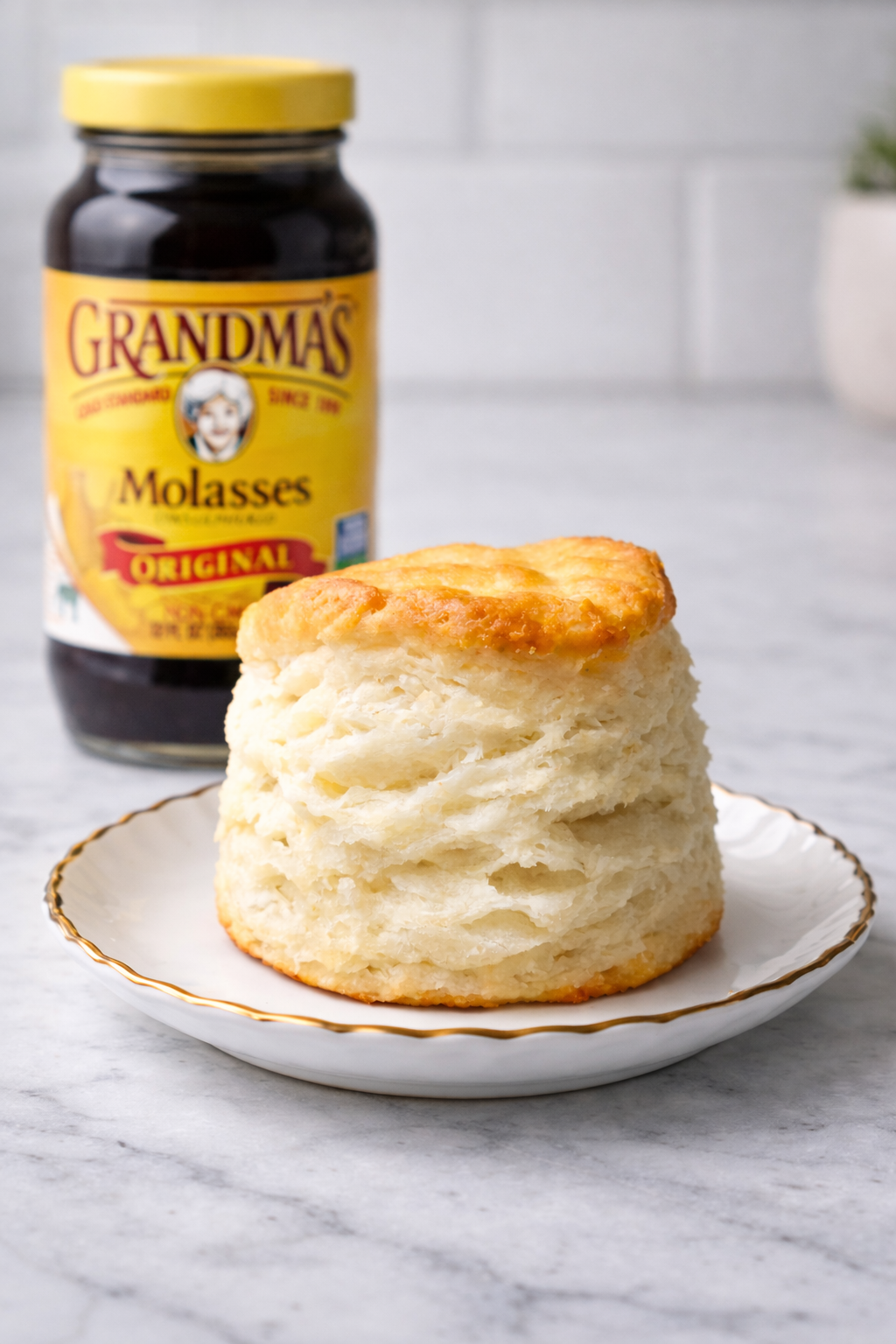
Flaky Buttermilk Biscuits
Ingredients
1/2 cup butter (1 stick), frozen
2 1/2 cups self-rising flour
1 cup chilled buttermilk
2 tablespoons butter, melted
Parchment paper
Grater
Method
1. Preheat oven to 475°F
2. Grate frozen butter (ideally frozen overnight)
3. Add butter to flour and toss quickly to distribute. Chill in freezer 10 minutes
4. Make a well, add cold buttermilk straight from the fridge. Stir 15 times max, just until moistened
5. Turn dough onto a lightly floured surface. Shape into a rectangle, fold in half, turn, and repeat 4 times
6. Roll dough to ½-inch thickness
7. Cut with a 2½-inch floured cutter—don’t twist
8. Arrange biscuits close together on parchment. Bake 15 minutes at 475°F
9. Brush tops with melted butter immediately after baking
Final Thoughts From a Chef Who Respects Bakers
Baking isn’t about intuition—it’s about trust.
Trusting butter to stay cold.
Trusting steam to lift.
Trusting fat to do what fat does best.
As a chef, I freestyle. As a baker, I follow rules. And butter? Butter rewards discipline.
So whether you bake daily or just want biscuits that don’t disappoint—remember this:
Butter isn’t just an ingredient. It’s the engine. And when you treat it right, it shows up every single time. 🧈



Follow Us

A chef’s rule worth wearing.
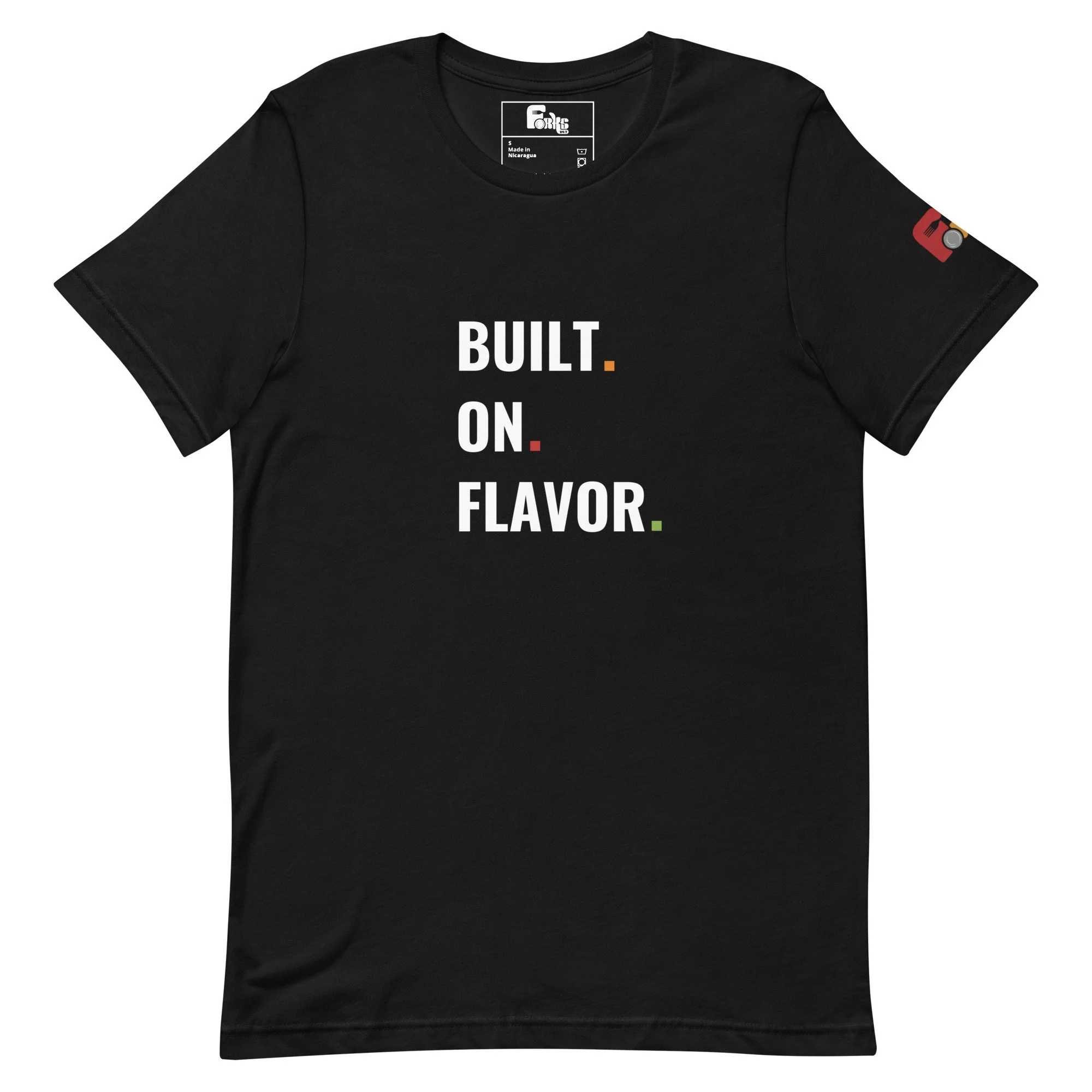
The Taste It Before You Trust It T-Shirt takes one of the kitchen’s simplest lessons and turns it into a statement. Bold typography paired with a refined editorial accent gives the design a clean, modern look that feels just as good outside the kitchen as it does behind the line.
Finished with subtle Forks247 branding on the sleeve, this tee is made for cooks, food lovers, and anyone who knows the final decision should always come down to flavor.
Detail
Premium unisex fit 100% combed and ring-spun cotton Heather colors contain polyester Fabric weight: 4.2 oz./yd² (142 g/m²) Pre-shrunk fabric Side-seamed construction Shoulder-to-shoulder taping Forks247 sleeve branding Designed for everyday comfort
Taste it. Adjust it. Trust yourself.