New Year, New Flavor: Chef-Driven Dietary Tweaks That Actually Stick
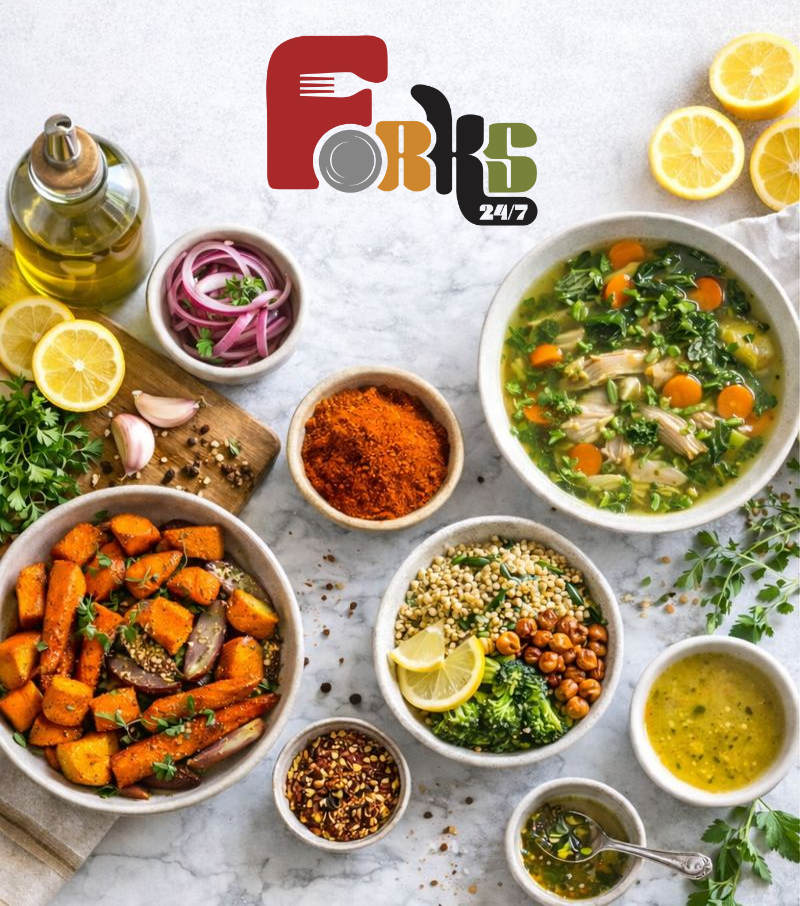
January doesn’t need to taste like sacrifice.
As chefs, we know the truth: great food is about balance, not restriction. Richness meets acidity. Heat plays with freshness. Texture keeps every bite interesting. That same philosophy applies when we want to eat better. Eating better isn’t about cutting everything out—it’s about making small, smarter choices in your own kitchen. The kind that feel natural, taste great, and don’t require fancy tools or complicated recipes.
This isn’t a detox. It’s not a 30-day challenge.
It’s about small, intentional, flavor-forward changes that fit real kitchens and real lives—habits you’ll actually enjoy sticking with. The good news? A few chef-inspired habits can help home cooks create meals that are lighter, fresher, and more satisfying—without giving up comfort or flavor.
Below are chef-approved dietary tweaks that help you cook cleaner, fresher, and more mindfully—without losing the joy of food. The goal isn’t perfection—it’s confidence, flavor, and meals that fit real life. With a few chef-inspired techniques (don’t worry, I’ll keep them simple), you can cook lighter, fresher meals without buying specialty ingredients or spending hours in the kitchen.
Upgrade Your Oils & Fats—Don’t Eliminate Them
Healthy cooking doesn’t mean fat-free cooking. It means using the right fats the right way.
Try these simple swaps:
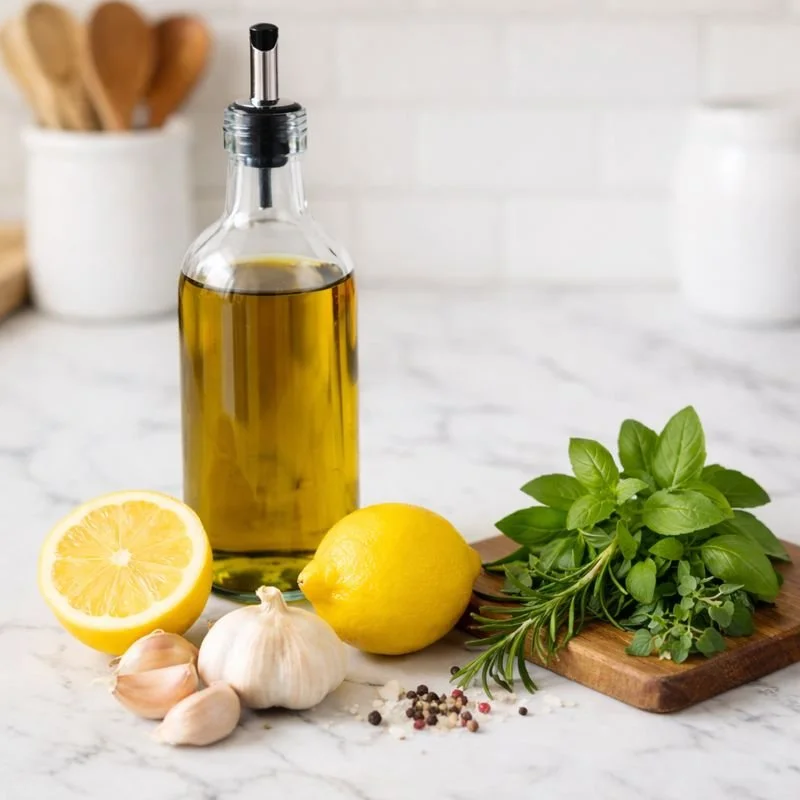
Olive oil or Grape Seed Oil for everyday sauteing and finishing
Avocado oil for high-heat searing
Citrus-infused, herb, or garlic oils instead of heavy butter sauces
Tahini or nut purees for creamy texture without dairy overload
Chef’s Tip:
Bloom spices in a teaspoon of warm oil before adding them to soups, bowls, or dressings. You’ll unlock deeper flavor using less fat overall.
2. Add One More Vegetable to Every Plate
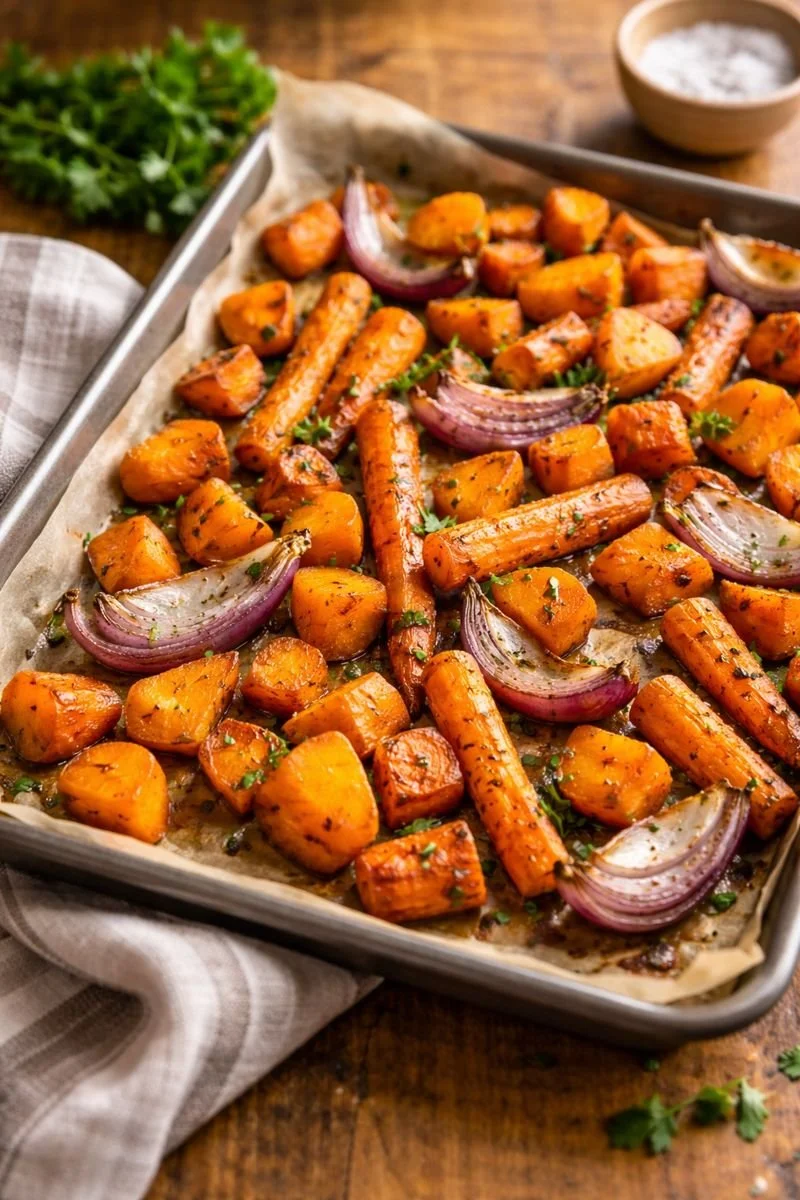
This is one of the easiest changes with the biggest payoff.
January’s winter vegetables are packed with flavor and versatility:
Brussels sprouts
Carrots
Cabbage
Kale & collards
Butternut squash
Sweet potatoes
Mushrooms
Roast them, char them, shave them raw, marinate them, or quick-pickle them. Technique creates excitement, even with humble produce.
Did You Know?
Bitterness in vegetables can be balanced with acidity or a touch of natural sweetness—like citrus or honey. It’s a classic professional trick that makes veggies crave-worthy.
3. Use Acidity to Make Healthy Food Taste Indulgent
Acid is one of a chef’s most powerful tools—and it’s often overlooked at home.
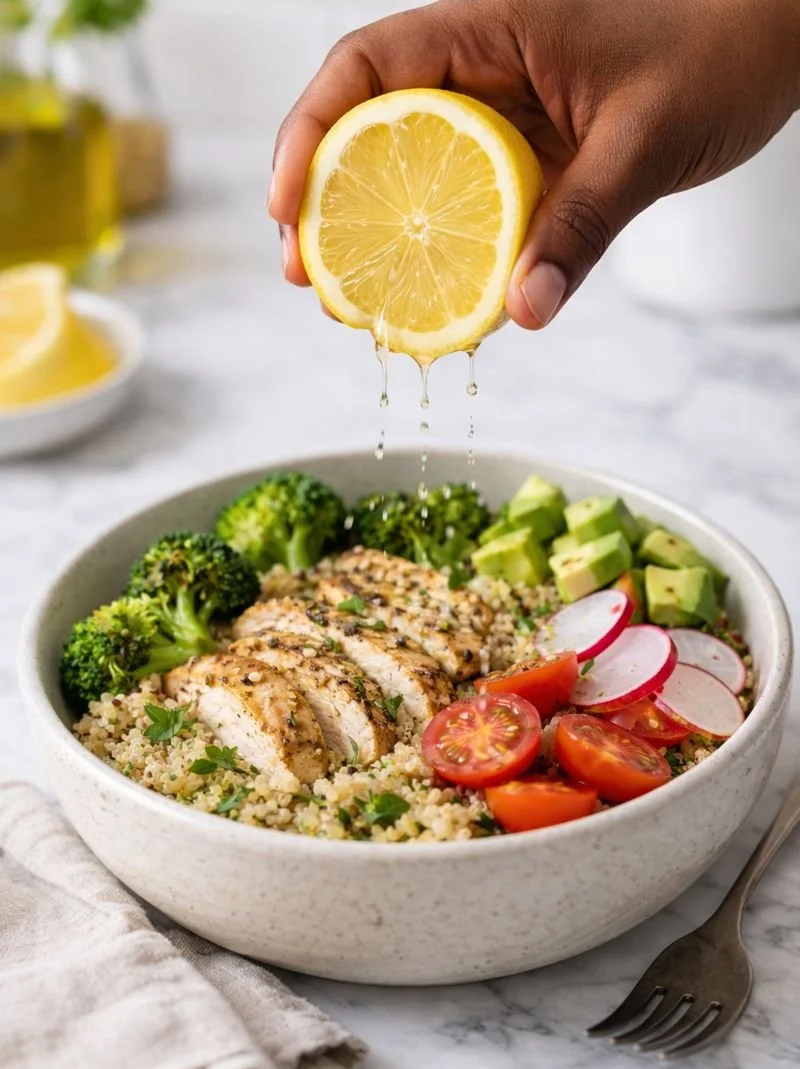
A squeeze or splash of acid instantly wakes up:
Roasted vegetables
Grain bowls
Lean proteins
Soups and stews
Simple dressings
Keep a “finishing acid” on hand: champagne vinegar, white balsamic, sherry vinegar, or fresh lemon juice.
Chef’s Tip:
One teaspoon added at the end of cooking can transform a dish more than extra salt ever could.
4. Season Boldly—Skip the Heavy Sauces
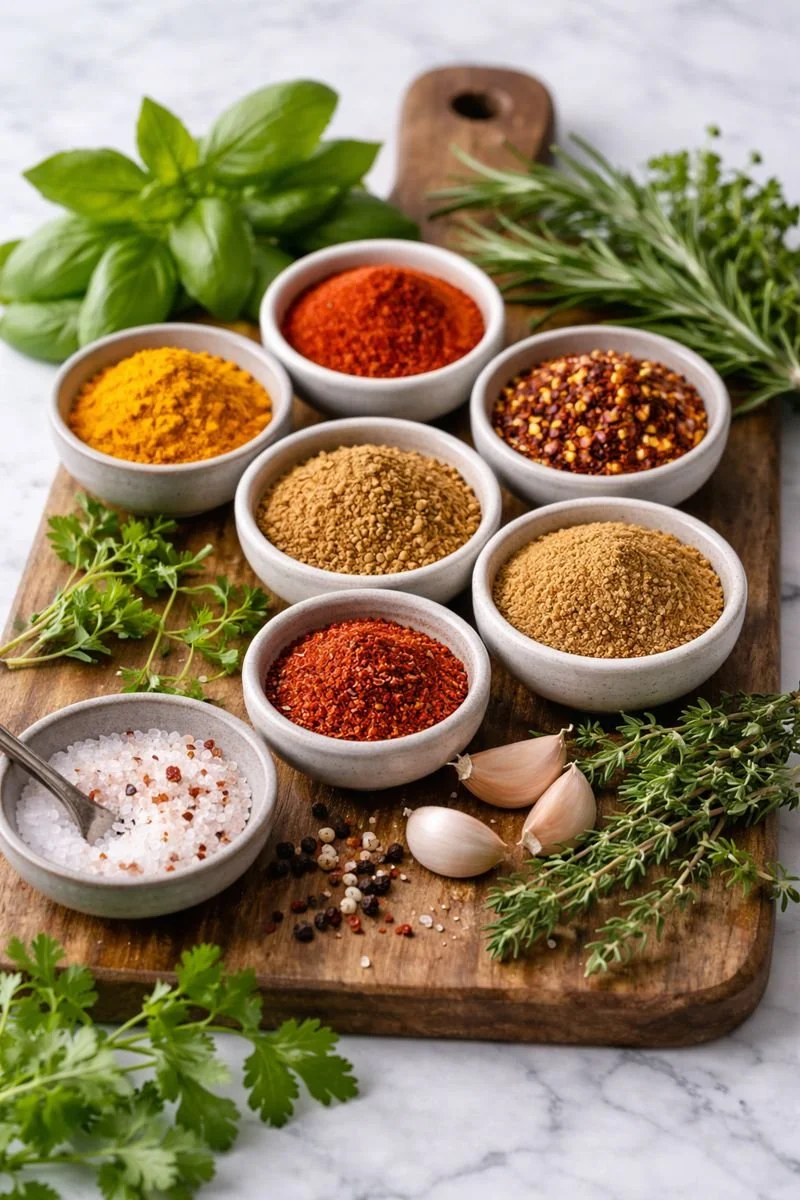
Healthy food becomes unforgettable when spices and herbs take center stage.
Build flavor with:
Turmeric
Coriander
Smoked paprika
Aleppo pepper
Cumin
Ginger
Za’atar
Fresh herbs
Did You Know?
Toasting spices for just 10–15 seconds releases their natural oils, intensifying flavor without adding sodium or calories.
5. Make Broth-Based Meals Your Winter Reset Tool
Cold weather is perfect for warming, nourishing, broth-forward meals that feel comforting without feeling heavy.

Try:
Ginger-turmeric chicken soup
Mushroom miso broth with greens
Roasted carrot-ginger soup
Citrus-herb vegetable broth bowls
Chef’s Tip:
Add a Parmesan rind, sliced ginger, or smashed garlic clove while simmering broth. It builds body and richness naturally.
📸 Image 5
Caption: Broth-based soups are comforting, nourishing, and chef-approved
Prompt: Steaming bowl of clear broth soup with vegetables and herbs, cozy winter lighting, rustic bowl, visible steam
6. Plate Like a Chef—Even on Weeknights
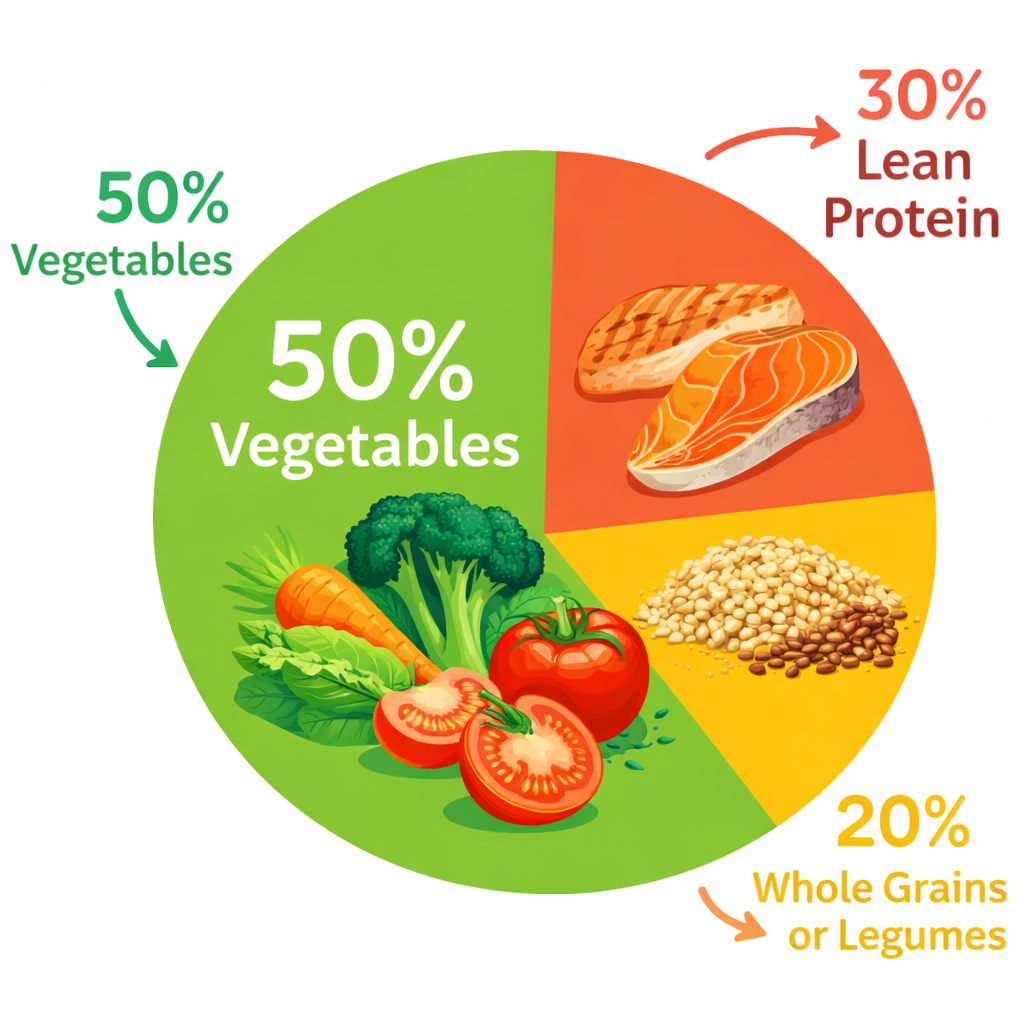
How food looks affects how we experience it.
Use this simple structure:
50% vegetables
30% lean protein
20% whole grains or legumes
Finish with herbs, citrus zest, or toasted nuts. It feels elevated—but it’s naturally balanced.
7. Prep Components, Not Boring Meals
The secret to sustainable meal prep? Flexibility.
Prep mix-and-match components:
Roasted vegetables
Two dressings (citrus vinaigrette + tahini)
Cooked grains
Two proteins (baked chicken, seared shrimp)
Fresh herbs
Pickled onions or cucumbers
You’ll never feel stuck eating the same meal twice.
🔥 Final Thoughts from the Chef
January isn’t about dieting—it’s about reconnecting with food. When you cook with intention, technique, and flavor, healthier eating becomes second nature.
All month long on Forks247, I’ll be sharing chef-inspired detox recipes, anti-inflammatory meals, and seasonal dishes designed to help you reset—without ever giving up the joy of eating!
👉 Subscribe to Forks247 for weekly recipes, chef tips, and real-life cooking inspiration straight from my kitchen to yours.





Follow Us

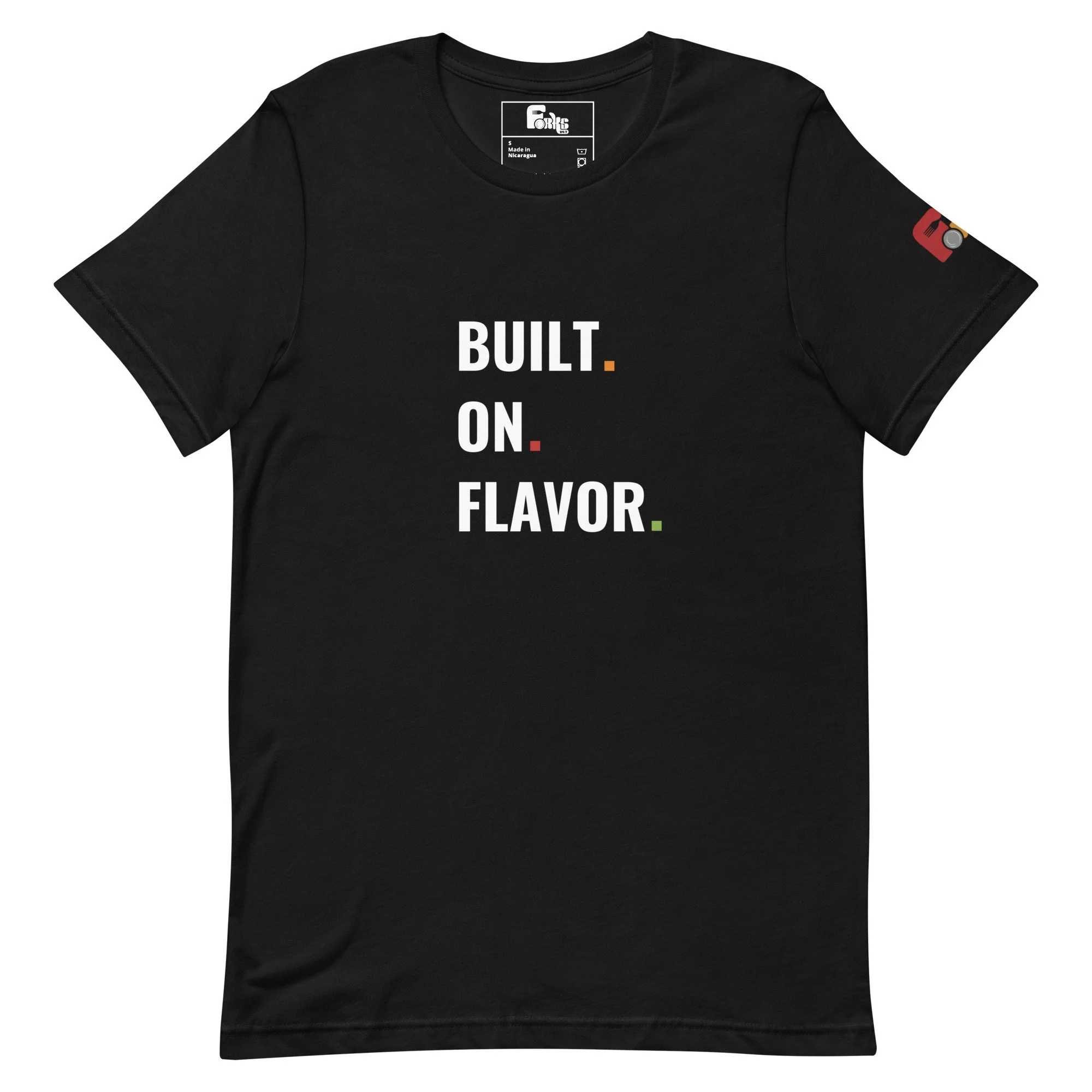
A chef’s rule worth wearing.
The Taste It Before You Trust It T-Shirt takes one of the kitchen’s simplest lessons and turns it into a statement. Bold typography paired with a refined editorial accent gives the design a clean, modern look that feels just as good outside the kitchen as it does behind the line.
Finished with subtle Forks247 branding on the sleeve, this tee is made for cooks, food lovers, and anyone who knows the final decision should always come down to flavor.
Detail
Premium unisex fit 100% combed and ring-spun cotton Heather colors contain polyester Fabric weight: 4.2 oz./yd² (142 g/m²) Pre-shrunk fabric Side-seamed construction Shoulder-to-shoulder taping Forks247 sleeve branding Designed for everyday comfort
Taste it. Adjust it. Trust yourself.